
Senate advances statewide "bell‑to‑bell" cell phone ban for K‑12, sets DESE guidance and 2026 implementation
Get AI-powered insights, summaries, and transcripts
Subscribe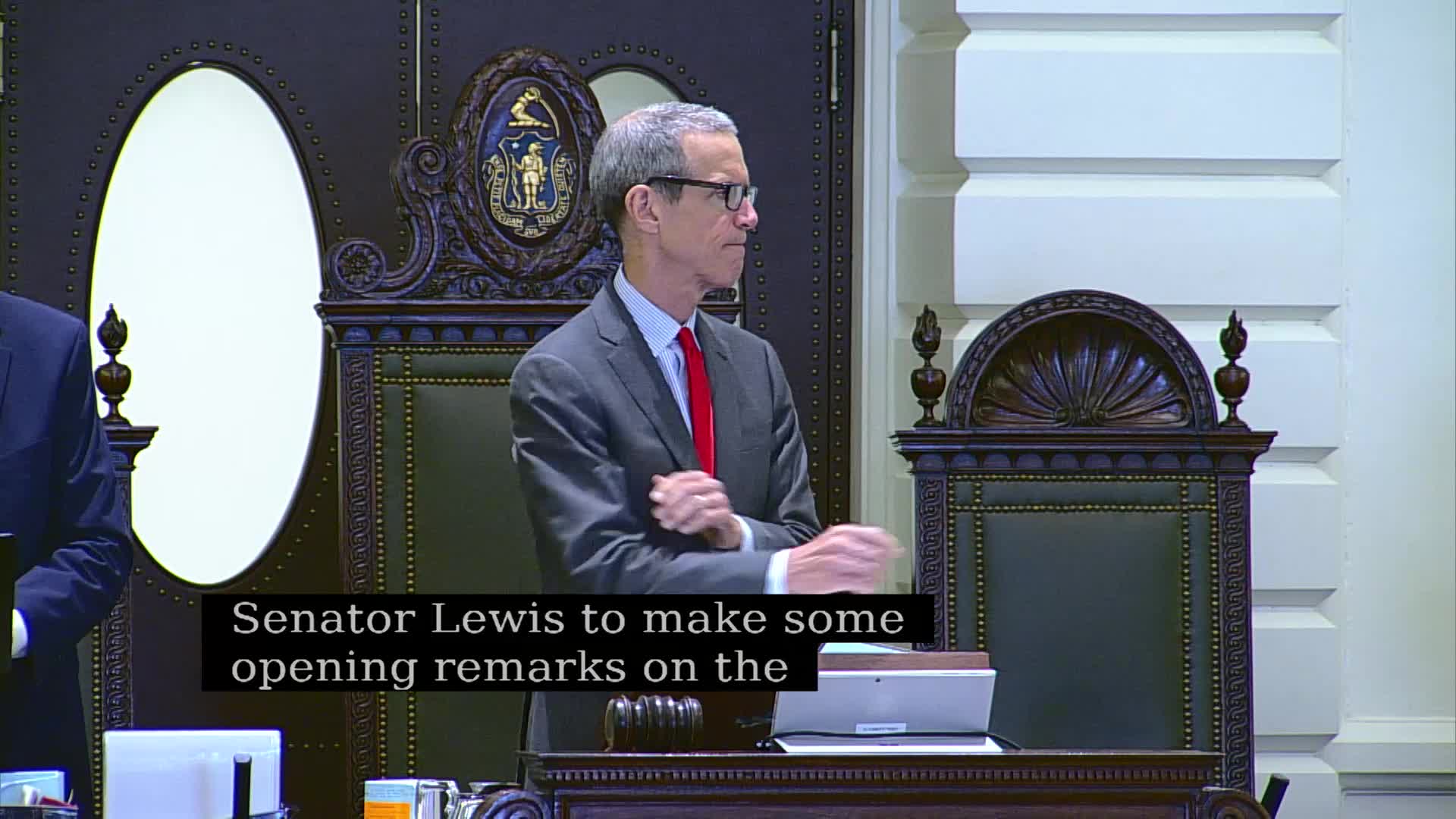
Summary
Senator Lewis introduced Senate Bill 2561, “an act to promote student learning and mental health,” telling colleagues the bill would require Massachusetts K‑12 public schools to implement a “bell‑to‑bell” restriction on student possession and use of cell phones and other personal electronic devices during the full school day.
Senator Lewis introduced Senate Bill 2561, “an act to promote student learning and mental health,” telling colleagues the bill would require Massachusetts K‑12 public schools to implement a “bell‑to‑bell” restriction on student possession and use of cell phones and other personal electronic devices during the full school day. The legislation would require each district to adopt a policy by the start of the 2026–27 school year. The Department of Elementary and Secondary Education (DESE) must solicit public input and produce guidance, recommendations and a model policy within 180 days of the bill’s enactment. Local districts would be able to adopt or adapt DESE’s model and must publicly notify families and submit policies to DESE. The bill lists three specific exceptions districts must allow in their policies: where a device is needed for a student with a disability as documented in an Individualized Education Program (IEP) or 504 plan; where there is a documented medical need (for example, students who use a device to manage diabetes); and where students leave campus for an educational purpose (for example, dual enrollment, internships, or vocational training). Senators speaking in favor framed the bill as evidence‑based and supportive of academic performance, mental health and safety. Senator Lewis cited research (Ohio University study) showing classroom bans increased note‑taking and test scores in some studies; Senator Cyr described the bill as “common sense” and said it would help districts reclaim learning time. The senator identified as the senator from Westfield, chair of the committee on mental health, described students’ experience with phones as an “alarm fire” for mental health and cited local reports of improved behavior and engagement where bans were implemented. Floor discussion also covered implementation concerns: several senators stressed the bill preserves local control by requiring districts to write and implement their own policies and by allowing targeted exceptions; Senator Kenney urged DESE and local school committees to design policies that reflect each community’s needs. Senators emphasized that the bill does not restrict the use of technology for legitimate educational purposes (laptops, tablets or phones used as classroom instructional tools when directed by teachers). On procedure, Senator Lewis asked that the vote be taken by a call of the yeas and nays; a sufficient number of members stood and the Senate agreed to record the vote at the appropriate time. The Senate proceeded with debate; the transcript records the Senate moving to concur in a House amendment with a further amendment on a different health bill earlier in the session and returning to the education bill for second‑to‑third reading consideration. Discussion versus decisions: the Senate debated and signaled broad bipartisan support through floor speeches and procedural moves; the transcript records the Senate moving the bill toward a recorded vote and setting statutory implementation deadlines (DESE guidance within 180 days; local policies in place for the 2026–27 school year) but does not record the final roll call tally for final passage of this bill in the supplied transcript excerpt. Why it matters: supporters said a statewide, bell‑to‑bell approach—rather than limiting restrictions to classrooms—maximizes academic gains, reduces cyberbullying and distractions, supports teacher effectiveness and may reduce some drivers of youth anxiety and depression. Implementation timing and DESE guidance were included in the bill text as floor speakers described it.