
House approves bill allowing some teachers to buy into Retirement Plus program
Get AI-powered insights, summaries, and transcripts
Subscribe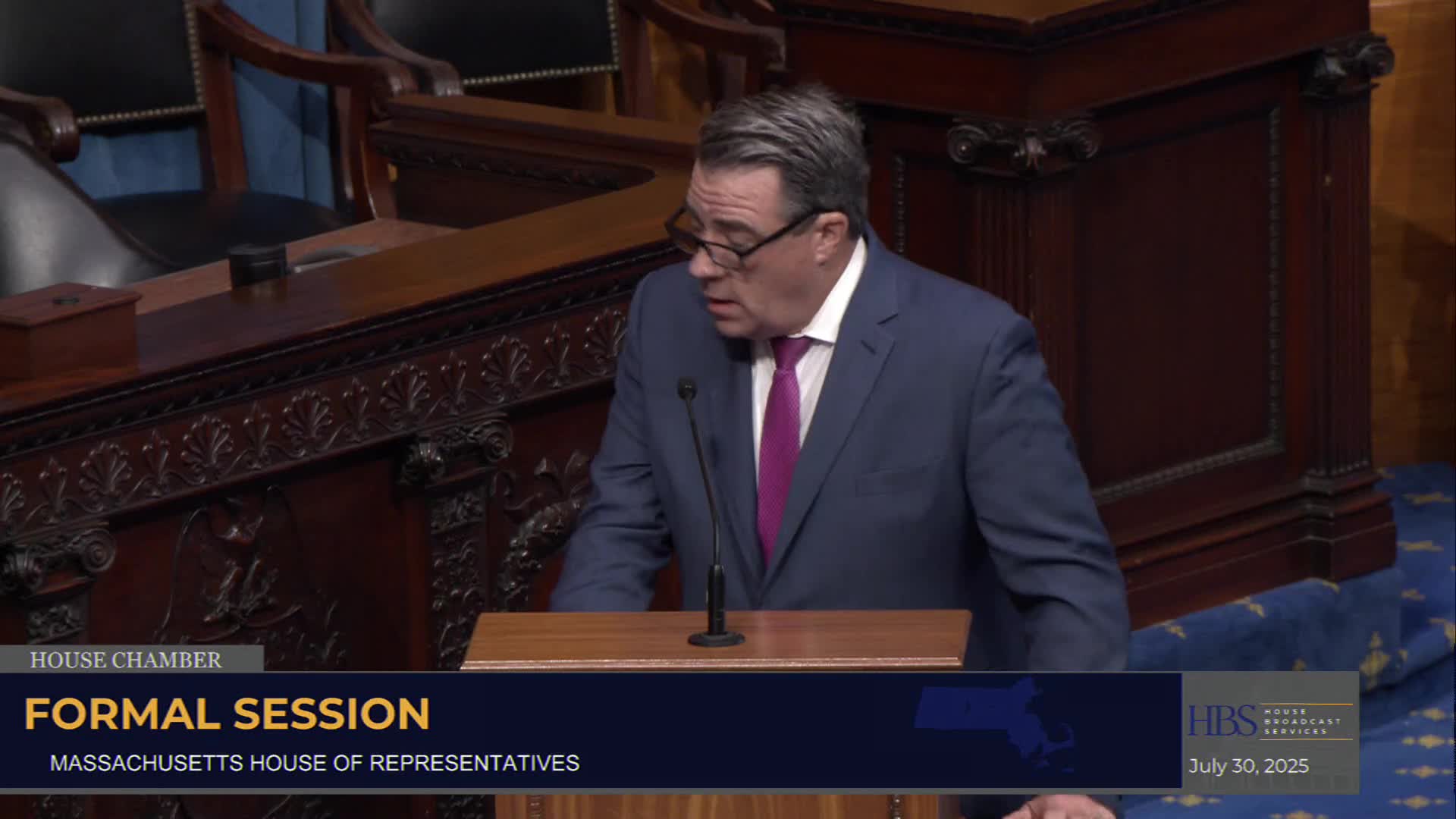
Summary
The Massachusetts House passed H.4361, a bill allowing teachers who joined the retirement system before July 1, 2001, a one-time opportunity to opt into the Retirement Plus program and pay retroactive contributions; the measure passed 158–0 and will be engrossed.
The Massachusetts House on a bipartisan voice and roll-call vote advanced H.4361, an act “relative to benefits for teachers” commonly called the Retirement Plus fix, giving teachers who joined the retirement system before July 1, 2001, a one-time opportunity to opt into the Retirement Plus program and remit what they would have paid had they been enrolled earlier.
Supporters said the bill corrects inconsistent implementation and communications from two decades ago. “This bill is an opportunity to put the final fix on administrative inconsistencies to an otherwise worthwhile retirement program,” Rep. Ryan of Boston said on the floor.
The bill responds to testimony and advocacy from teachers’ unions and individual educators who, supporters said, missed an initial six-month enrollment window amid unclear notice and district-level confusion. “These are dedicated public servants who raised serious and deeply personal concerns,” Rep. Paich of Wellesley said, describing constituents who believed they had been enrolled but later discovered they had not.
Under the measure described on the floor, eligible teachers who were members of the retirement system before July 1, 2001, would be permitted to purchase retroactive participation in the Retirement Plus program and pay back contributions covering the period they missed, rather than being granted benefits without payment. Supporters characterized the change as an administrative fix rather than a new benefit giveaway.
Procedure and vote: the House considered the bill after the committee on bills in the third reading released H.4361. Rep. Jones of North Reading moved suspension of the rules to take the bill up forthwith. After floor debate and a roll-call vote (roll call number 67), the clerk reported a tally of 158 yeas, 0 nays; the bill was passed to be engrossed.
Supporters said the timing of the fix is important as some affected educators near retirement and as districts face declining enrollment. The proponents argued the change could facilitate retirements among late-career teachers and create openings for early-career educators. No floor amendments to change the bill’s principal provisions were recorded during the debate.
The bill will proceed to enrollment for final engrossment; further steps, including any Senate action or the governor’s consideration, were not addressed on the floor during this session.