Get Full Government Meeting Transcripts, Videos, & Alerts Forever!
Get email alerts on the Legislative Procedures topic
No spam. Unsubscribe anytime.
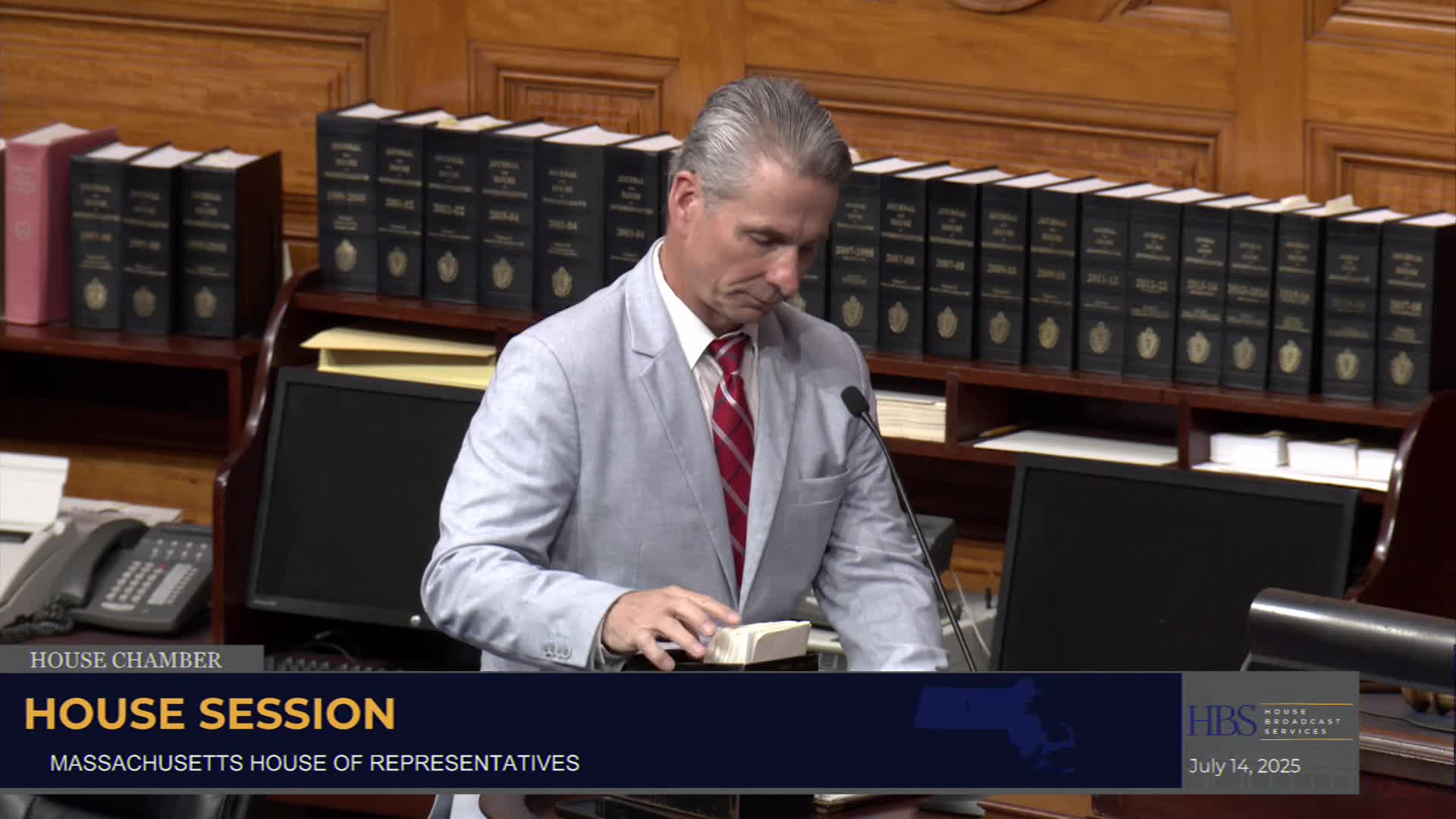
House Suspends Joint Rule 12 to Refer Petitions on Farm Transport, ABA Rates and Shoreline Easements
Summary
The House suspended Joint Rule 12 and referred several citizen petitions to subject committees, including petitions on farm goods transportation, applied behavior analysis reimbursement rates, and release of shoreline easements in West Roxbury.
The Massachusetts House of Representatives voted to suspend Joint Rule 12 and referred multiple petitions to subject committees: a petition related to transportation of farm goods was sent to the Committee on Transportation; a petition on applied behavior analysis reimbursement rates was sent to the Committee on Health Care Financing; and a petition asking the Commissioner of Capital Asset Management and Maintenance to release certain shoreline easements in the West Roxbury section of Boston was referred to the Committee on State Administration and Regulatory Oversight.
The Committee on Rules reported the recommendations to suspend Joint Rule 12 for the listed petitions. The motion to suspend the rule passed by voice vote. The petitions were identified in the floor report as those filed by James C. Arena de Rosa and Catherine R. Linacher (farm goods transportation), Christine P. Barber (applied behavior analysis reimbursement rates), and William F. MacGregor (shoreline easements in West Roxbury).
Suspending Joint Rule 12 allowed the petitions to move from the petition stage to referral for committee consideration rather than remaining in the petition docket. The floor record shows standard voice votes with the chair saying “the ayes have it.” No substantive debate or roll‑call votes on the petitions were recorded in the excerpted floor text.
Next steps: each petition will be considered by the committee to which it was referred; the committees may schedule hearings, solicit testimony, or take other actions according to their internal rules.