Get Full Government Meeting Transcripts, Videos, & Alerts Forever!
Get email alerts on the Land Use And Development topic
No spam. Unsubscribe anytime.
Commission approves Timber Springs subdivision on Casper Mountain, citing fire-department signoff and drainage study
Summary
The county approved MS 24‑08, a 31‑lot major subdivision on Casper Mountain in an MR‑2 zoning district after staff confirmed a fire‑department review of roadway grades and an updated drainage study that showed no net increase in runoff.
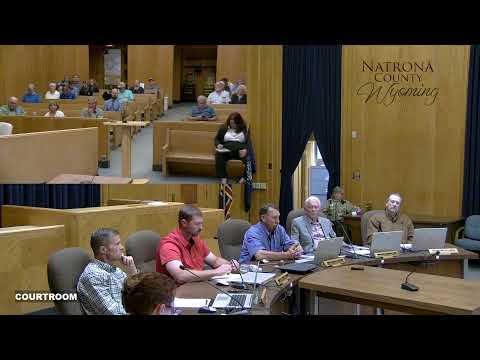
The Natrona County Commission approved the Timber Springs major subdivision (MS 24‑08) on Aug. 5, clearing the developer to proceed with a 31‑lot, roughly 170‑acre residential subdivision on Casper Mountain. Staff and proponents said the application met subdivision standards after the county’s fire department inspected grades and road layouts and a licensed engineer completed a drainage analysis. Why it matters: the plat creates 31 residential lots in an MR‑2 (Mountain Residential 2) zoning district and includes roadway design, temporary turnarounds and stormwater controls. Approval allows the developer to advance engineering, road construction and lot closing steps required for future building. Key findings and testimony: Planning staff summarized outstanding concerns from the previous hearing and said the county’s fire marshal (Brian Oliver) inspected road grades and found them acceptable under the National Fire Code. Edge Engineering and surveyor materials were updated and staff removed a previous condition requiring an additional drainage study after receiving a complete stormwater analysis. Attorney Keith Nakbar, representing the applicant, called the project consistent with MR‑2 zoning (minimum five‑acre lots) and urged commissioners to approve the requested road-grade variance as the design minimized erosion and tree clearing. Nakbar also cited the project’s water analysis summarizing the DEQ‑reviewed Chapter 23 report; he said the report estimates total average water use for the fully built subdivision as modest compared with local well yields and that the DEQ engineered review did not show a material groundwater supply impact. Developer and engineer remarks: developer John Cornquin said the subdivision adds buildable lots with utility access that many existing mountain parcels lack and that lot purchasers may seek different year‑round or seasonal uses. Jason Canoe of Edge Engineering said the project retained key fuel‑ and erosion‑control features and that septic and well design will be done per lot as required by Chapter 23. Board action: Commissioner Coates moved to approve the major subdivision with staff findings and conditions; the motion passed on voice vote. Staff will place the final plat and any outstanding engineering conditions into the record for recording and subsequent infrastructure work.