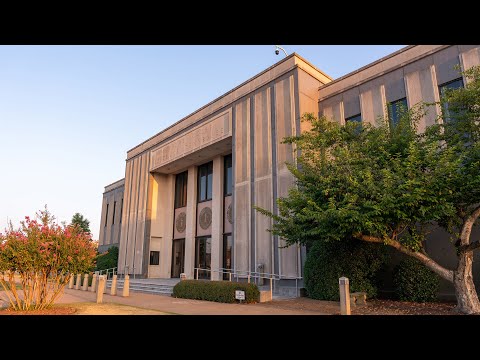
Appellate panel hears claims of new evidence in Andrew Hayes case; court takes matter under advisement
Loading...
Summary
Jason Gishner, lawyer for Andrew Hayes, told a Tennessee appellate panel that new evidence — including five witness affidavits and cell-tower records — establishes grounds for equitable tolling and a hearing on a coram nobis petition.
Jason Gishner, lawyer for Andrew Hayes, told a Tennessee appellate panel that new evidence — including five witness affidavits and cell-tower records — establishes grounds for equitable tolling and a hearing on a coram nobis petition.
"We are not here today asking this court to overturn his conviction and let him out of prison. We are asking for much more limited relief," Gishner said, asking the court to assume arguendo the veracity of the new evidence at the tolling stage and to remand for a merits hearing.
Gishner said Hayes, who he described as having a 62 IQ, was convicted largely on a confession obtained after about 27 hours of interrogation that contains factual inconsistencies with the crime scene. He told the court that five witnesses would testify that Sarah Lucas admitted committing the killing and that cell-tower data placed Lucas and co-defendant Tammy Vance at the victim’s apartment when the victim died. Gishner also pointed to what he described as new scientific research on coercive interrogation practices and an expert who would testify about interrogation-related science.
State counsel Ronald Coleman urged the court to affirm the trial court’s denial of relief. Coleman said the trial evidence included corroboration of the defendant’s confession, that Hayes consistently acknowledged being present at the scene, and that prior trial testimony and physical evidence supported the conviction. He argued the materials submitted with the petition are hearsay or cumulative impeachment evidence and therefore do not satisfy the requirements for tolling under the controlling precedent.
A principal legal dispute at argument was the threshold for equitable tolling under the court’s interpretation of Clardy. Gishner argued Clardy’s pleading-stage standards should not bar a petitioner with significant new evidence of third-party culpability from obtaining a hearing. Coleman responded that Clardy, and related Tennessee decisions, require that evidence offered to toll the statute must amount to "newly discovered evidence" that is admissible and credible, and that the petition here fails that test.
Counsel debated admissibility doctrines the petitioner cited, including Chambers and the Tennessee recognition of that line of cases, with Gishner contending a Chambers analysis could render third-party confessions admissible despite hearsay concerns. Coleman countered that the petition relies primarily on hearsay — some of it hearsay within hearsay — and that the petitioner did not establish admissibility below.
Specific factual points highlighted by petitioner’s counsel included: the interrogation length (about 27 hours), the asserted cognitive limitations of Hayes, the lack of physical evidence tying Hayes to the scene at trial, the death of a proposed key witness (Heather Balderas), and cell-tower records the petitioner says were not presented to the jury but place Lucas and Vance at the apartment when the murder occurred. The state responded that the cell-tower material was part of the state’s file and not shown to be improperly withheld under Brady, and therefore should not form the basis for tolling.
The panel questioned both sides on how far the court can reach when assessing admissibility at the tolling stage and whether the petitioner’s affidavits, if assumed credible, nonetheless clear the high bar of clear-and-convincing evidence of actual innocence required under Clardy. Counsel for Hayes pointed to post-Clardy decisions where courts granted tolling on less compelling records; the state distinguished those decisions and emphasized the difference between impeachment or cumulative evidence and the clear-and-convincing showing required.
After argument, the panel stated it would take the matter under advisement. The court did not announce a ruling at the hearing.