Get Full Government Meeting Transcripts, Videos, & Alerts Forever!
Get email alerts on the Parks Infrastructure topic
No spam. Unsubscribe anytime.
Staff recommends solar bollard lights at Waterfront Park; CRA funds and FEMA claims may affect final scope
Summary
Public Works recommended replacing Waterfront Park’s storm‑damaged bollard lights with a solar bollard system to reduce wiring vulnerability and make future relocation easier; the CRA has about $200,000 budgeted for the work.
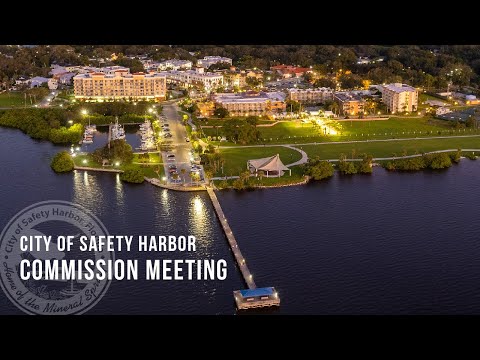
Public Works staff presented options on Aug. 4 to replace roughly 32 bollard lights at Waterfront Park that were damaged in recent storms. The lights, installed in 2019, have been discontinued by the manufacturer and many were disabled after repeated storm events.
Public Works Superintendent Robert Moser described four replacement approaches: (1) like‑for‑like hardwired bollards (approx. $50,000 for replacement only); (2) a modern low‑profile hardwired bollard with marine‑grade materials and a longer warranty (approx. $1,200 per fixture); (3) individual solar bollard fixtures with integrated panels (estimated total about $103,000 and staff‑installable); and (4) a centralized solar system with a field of panels and wired feeds to bollards (estimated $100,000–$220,000 for hardware and installation).
Moser said staff recommendation favors a solar bollard product with a modern appearance and lower vulnerability to flood and storm surge because it avoids extending or modifying the existing electrical conduit. He noted tradeoffs: solar fixtures have lower lumen output than the previously installed wired fixtures, and batteries typically carry a shorter warranty life (approximately five years for batteries; manufacturers commonly warranty panels longer).
The CRA has about $200,000 budgeted for the bollard replacement project; FEMA claims for storm damage have been submitted but not yet reimbursed, staff said. A full hardwired relocation with poured concrete footings and new conduit would cost substantially more — staff estimated up to $225,000 when relocation, wiring and footings are included.
Commissioners generally supported the staff recommendation to pursue the solar option and asked staff to prepare a procurement scope reflecting the chosen product, installation method and possible photometric revisions to achieve an even light distribution. Commissioners also requested that bollards be moved off the sidewalk (about two feet) to reduce accidental damage from service vehicles and event set‑ups.
Next steps: staff will prepare procurement documents and a detailed scope for the chosen solar bollard option, including a revised photometric plan; installation may be performed in‑house for some options, and staff will pursue FEMA reimbursement while preparing for CRA-funded procurement if FEMA funds are not received.