Get Full Government Meeting Transcripts, Videos, & Alerts Forever!
Get email alerts on the Social Services 2 1 1 topic
No spam. Unsubscribe anytime.
United Way asks Van Zandt County to consider funding shortfall for 2-1-1 call service
Summary
John Gaston of United Way described a $40,000 shortfall for the 2-1-1 East Texas call line serving Van Zandt County and asked the commissioners to consider a county donation; commissioners said they would take the request under advisement.
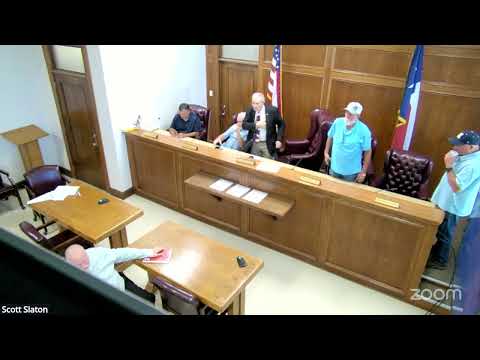
John Gaston, who runs the United Way 2-1-1 service for a 14-county East Texas region, asked Van Zandt County commissioners during a budget workshop on July 12 to consider a one-time contribution to cover a funding shortfall. Gaston told the court the 2-1-1 information-and-referral line handled "almost 6,000 calls" from Van Zandt County residents over the last three and a half years and that the program is "probably 90% funded by the state of Texas." He said the program is short about $40,000 and that he originally asked a county judge for $5,000. "I'm short about $40,000," Gaston said. "I...came in...and ask them to consider supplying some donation, to help fund the shortfall I have from United Way to service Van Zandt County." The request was framed as a request for discretionary county support rather than a formal grant or mandated expenditure. Gaston said the 2-1-1 network is a public–private partnership with Texas Health and Human Services and that state-level legislation (he referred to "House Bill 35") had been considered but died in the Senate. He said any county contribution would not endanger service to other counties served by the United Way call center: "it's not gonna impact our services in the Alexander County," he said. Commissioners asked a few logistical questions about Gaston's current budget and other county contributions. Gaston said he expects to have a clearer picture in August and that some counties already contribute while others decline; he said annual budget figures were not specified for the court during the workshop. The commissioners did not make a funding commitment at the meeting and told Gaston they would "take it under advisement." One commissioner noted they had Gaston's business card and would follow up. Why it matters: 2-1-1 is often a frontline connector to rent and utility assistance, food programs and behavioral-health resources; a local contribution could help maintain service while state funding remains flat, according to Gaston's presentation. Gaston closed by answering procedural questions and offering to provide contact information; commissioners did not vote or approve funding during the workshop.