Get Full Government Meeting Transcripts, Videos, & Alerts Forever!
Get email alerts on the Volunteering topic
No spam. Unsubscribe anytime.
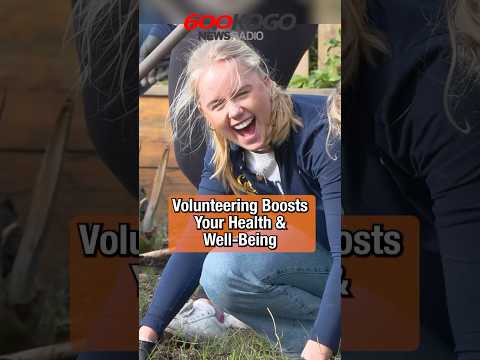
Volunteering boosts physical activity and mental engagement, doctor says
Summary
On KOGO News, Dr. Nina Birnbaum of Blue Shield of California said volunteering provides both physical activity and cognitive and social benefits, citing examples such as food-bank work, community gardening and mentoring.
On KOGO News, a host introduced Dr. Nina Birnbaum, a physician with Blue Shield of California, and asked about the health benefits of volunteering. Dr. Birnbaum said, “Volunteering just is loaded with benefits. Physically, on the basic level, it gets you up and moving. You might be packing food for a food bank or gardening in a community garden or doing a shoreline cleanup, but there's also the mental benefits.”
Dr. Birnbaum described the mental and social effects of volunteering: “You're engaging with something you're not used to doing, so it gets your brain active in a different way, and you're connecting with others.” She said volunteers often report emotional returns from their work, adding that mentors and people who work with people experiencing homelessness frequently tell staff they “get more back from what they feel like than they feel like they gave.”
The examples cited by Dr. Birnbaum—packing food, gardening and shoreline cleanups—illustrate how volunteer tasks can provide mild physical exercise while also creating social contact and cognitive engagement. The segment was a brief interview rather than a formal study review or policy recommendation.
No statutes, ordinances or formal actions were discussed during the segment. The host sought perspective from a health-care professional; the interview did not include citations to research, numeric effect sizes, program funding or specific public programs. Listeners seeking evidence-based guidance on volunteer programs and measurable health outcomes would need to consult published studies or the sponsoring organization.