
Council approves contract to use opioid litigation funds for local treatment referrals
Get AI-powered insights, summaries, and transcripts
Sign Up Free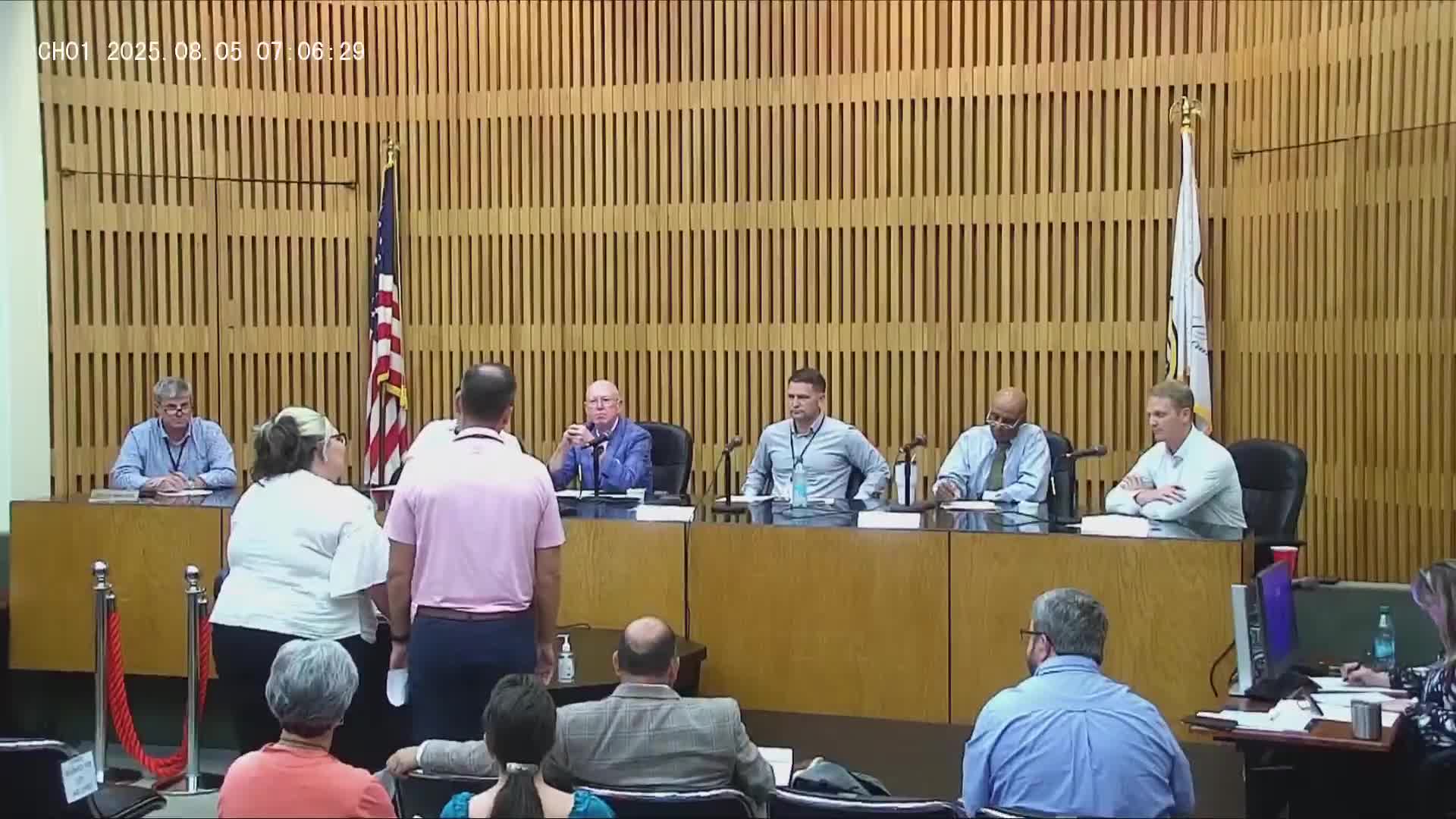
Summary
The council approved Resolution 25 1 87 to contract with Partnership for Drug Free Community to use opioid litigation funds for opioid-specific assessments, referrals and recovery support; the vendor described rapid intake and a recovery resource hub, and council members asked whether the litigation funds could buy Narcan or fund a local clinic.
The Decatur City Council on a voice/roll call vote approved Resolution 25 1 87 to contract with Partnership for Drug Free Community to deploy opioid‑mitigation services funded by the city’s opioid litigation award.
The contract will let the city use those restricted funds to pay for opioid‑specific clinical assessments, rapid referrals and a recovery resource hub run by the vendor. Jessica Naughn, introduced as the new executive of Partnership for Drug Free Community, told the council her group provides free ASAM assessments (commonly priced at $300–$500) and operates a recovery resource hub staffed by a coordinator and a certified recovery support specialist to refer clients to 3–5 treatment providers.
The vendor said the intake timeline is rapid: an initial phone call to assessment is typically 24–48 hours and the reported average time from first contact to beginning treatment is 2.9 days. Naughn said referrals go to treatment programs across Alabama and occasionally into neighboring states; options include 12‑step programs, SMART Recovery and therapy‑based programs depending on a client’s needs. The proposal presented to council is “option 1,” a limited start intended to let the city “dip our toes” and expand later if the program proves effective; the vendor also described the possibility of establishing a local clinical site in Decatur if demand and outcomes justify it.
Council members asked how narrowly the litigation funds may be used. One council member asked whether the funds could be used to purchase naloxone (Narcan). Staff and the vendor said the litigation funds are restricted to opioid‑specific mitigation measures, and the training the vendor attended emphasized that expenditures must be specific to opioid treatment and mitigation; the meeting transcript did not record a definitive, cross‑checked legal determination on whether naloxone purchases are allowable under this particular litigation‑fund agreement.
The council approved the resolution after a second and roll call; the clerk recorded ayes from council members on the motion. No implementation schedule or local clinic opening date was finalized at the meeting.
The agreement will draw from litigation funds specifically restricted to opioid mitigation and is intended to fund assessments, referrals and recovery support services rather than general public‑health or non‑opioid programs.