Get Full Government Meeting Transcripts, Videos, & Alerts Forever!
Get email alerts on the Gambling Expansion topic
No spam. Unsubscribe anytime.
House Finance Committee hears bill to expand retail video lottery terminals and electronic bingo
Summary
Representatives Davila and Manning presented informal sponsor testimony in the Ohio House Finance Committee on legislation that would expand where electronic instant bingo and video lottery terminals may operate and create a new class of retailer VLTs.
Representatives Davila and Manning presented informal sponsor testimony in the Ohio House Finance Committee on legislation that would expand where electronic instant bingo and video lottery terminals may operate and create a new class of retailer VLTs. Representative Davila described the proposal as part of a continuing policy dialogue about how to “structure, modernize and responsibly regulate gaming in the state of Ohio.”
The bill would do three principal things, as sponsors summarized: permit some electronic instant bingo systems to operate at retail host locations under written contracts, create a new retailer video lottery terminal (retailer VLT) class for licensed retail establishments, and set out a revenue- and tax-sharing structure. Representative Manning told the committee that retailer VLTs would be connected to a central communications system, may not dispense cash ("Payouts are issued by a voucher only"), and that the state would receive 50% of net retailer VLT income directed to the Lottery Profits Education Fund.
Under current law, sponsors said, VLTs outside casino-class facilities operate only at seven racetracks ("racinos") and are limited to a maximum of 2,500 devices per racetrack sector; the state receives roughly one-third of net terminal income from those racino VLTs. Sponsors also said that 2021's House Bill 110 authorized electronic instant bingo for veterans and fraternal organizations, permitting up to 10 devices per licensed location and restricting play to members and guests; the proposed bill would allow certain licensed hosts to run e-bingo systems outside those member-only sessions and would limit retail locations to a maximum of seven systems each.
Committee members focused questions on several recurring points: how much additional revenue the expansion would produce; whether the expanded footprint would supplant racino or other gaming revenues; whether veteran and fraternal organizations had been or would be consulted about potential competition from retail hosts; what protections or problem-gambling resources would accompany greater access; and whether legalizing retail devices would reduce the currently unregulated market. Sponsors acknowledged that revenue projections and some stakeholder consultations were not yet complete and pledged to provide those details in follow-up responses.
Lawmakers raised public-safety and equity concerns. Several members asked whether expanding access would concentrate machines in lower-income communities and asked what safeguards, if any, the bill would include for people with gambling addiction. Representative Davila said those policy choices would be made by the committee and the General Assembly, adding that the bill seeks a moderated expansion compared with other proposals under consideration.
Committee members also highlighted enforcement and regulatory questions. Sponsors said oversight would remain split among existing agencies: the Attorney General would continue licensing and oversight for charitable e-bingo operations while tax compliance for the new retail e-bingo model would fall to the Department of Taxation; sponsors also said the Lottery Commission and the Ohio Casino Control Commission would play roles in regulating retailer VLTs. Several members urged clarification of regulatory jurisdiction and enforcement authority as bill language is finalized.
Representatives and sponsors also noted the committee’s interest in illegal gaming devices operating in the state; sponsors cited an estimate of roughly 40,000 unregulated terminals but said the figure and supporting sources would be provided later. Members pressed whether bringing legal, regulated devices into retail locations would reduce the illegal market, with sponsors responding that a regulated legal market could help curb illegal supply over time but that research and enforcement details remain to be developed.
The sponsorship team said initial caps would be modest: three retailer VLT terminals per location in year one, rising to a possible cap of five by later regulation, and a cap of seven e-bingo systems per retail host to keep retail sites below the 10-device cap in current charitable locations. Sponsors emphasized that proceeds from the new retailer VLTs would be directed to the Lottery Profits Education Fund, and they framed the bill as an additional revenue stream rather than a replacement for existing school funding sources.
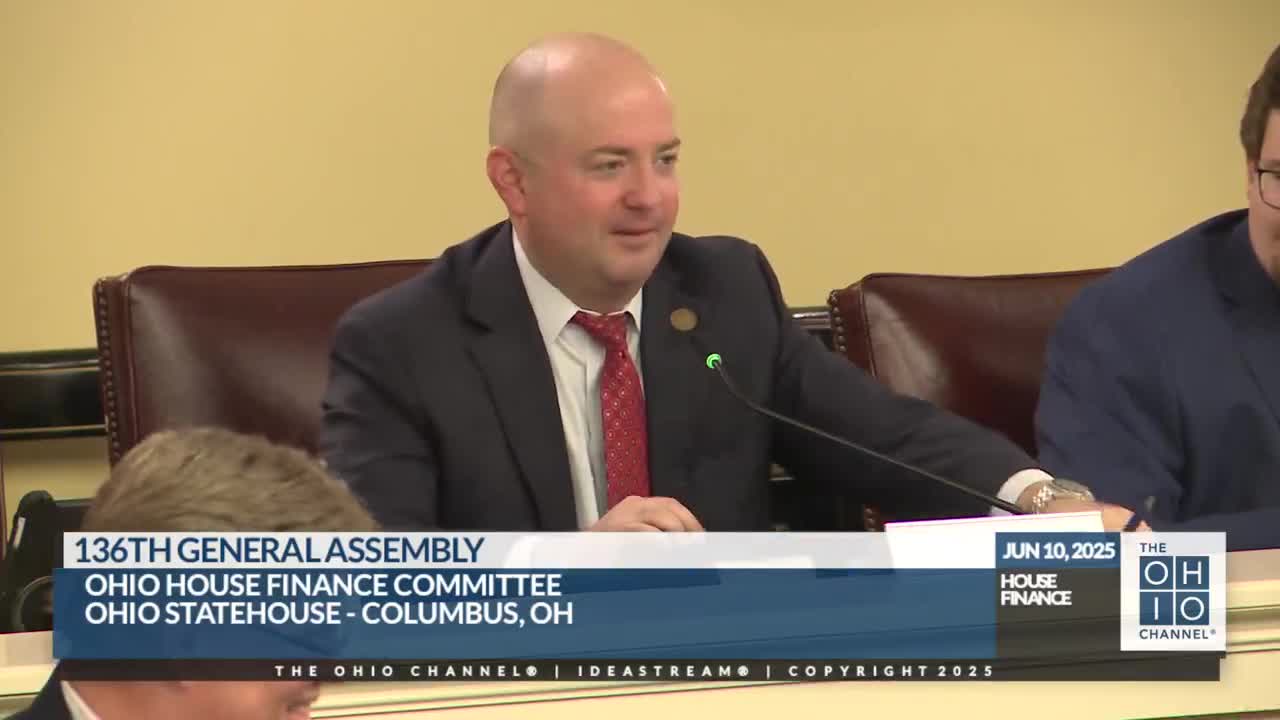
Committee Chairman Stewart closed the informal hearing, and the chair noted that the hearing would be recorded as the informal hearing for what was later identified as House Bill 344. No formal vote or committee action occurred at the hearing; sponsors and several members said more stakeholder meetings and data (revenue projections, consultations with veterans and fraternals, and enforcement plans) would follow as the bill is refined.