Get Full Government Meeting Transcripts, Videos, & Alerts Forever!
Get email alerts on the International Data Sharing topic
No spam. Unsubscribe anytime.
DHS announces agreements with Argentina, Chile and Ecuador on data sharing and biometric alerts
Summary
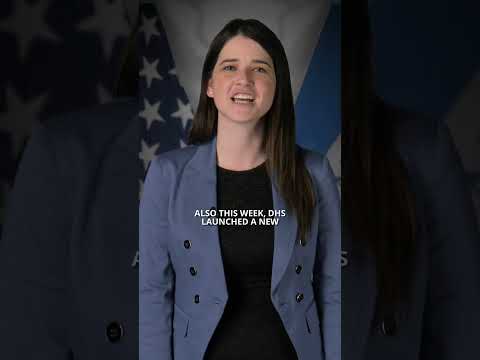
Lauren Biss, deputy assistant secretary at DHS, said the department signed a statement of intent with Argentina to begin the visa-waiver process and share criminal-history data, a letter of intent with Chile for a biometric transnational migration alert program, and an arrangement with Ecuador to support CBP—s National Targeting Center.
Lauren Biss, deputy assistant secretary at the Department of Homeland Security, said this week that the department signed three separate agreements during a secretary-level trip to South America aimed at improving information-sharing and identification of people the department classifies as criminals or otherwise dangerous. "DHS and Argentina will also share criminal history data, speeding up the removal of Argentine nationals in The US illegally," Biss said. The agreements, announced in a DHS update, include a statement of intent with Argentina to begin the process of rejoining the Visa Waiver Program and a separate commitment to share criminal-history data, Biss said. In Chile, DHS signed a letter of intent to "kick start a biometric identification transnational migration alert program to better track criminals, terrorists, and dangerous individuals," she said. In Ecuador, Biss said the department signed an arrangement to better equip U.S. Customs and Border Protection's National Targeting Center to identify and stop what she described as "bad actors." The announcements do not specify implementation timelines or funding sources. Biss described the steps as starting formal processes: the Argentina agreement begins a process to seek Visa Waiver Program participation, and the Chile and Ecuador agreements were described as letters or arrangements to develop or equip systems. The statements came during a DHS briefing update; Biss did not provide statutory citations or detailed operational plans in the remarks. She identified no vote, regulatory change, or specific appropriation tied to the agreements.