
Committee backs drafting legislation to raise parking fines to cover enforcement costs
Get AI-powered insights, summaries, and transcripts
Subscribe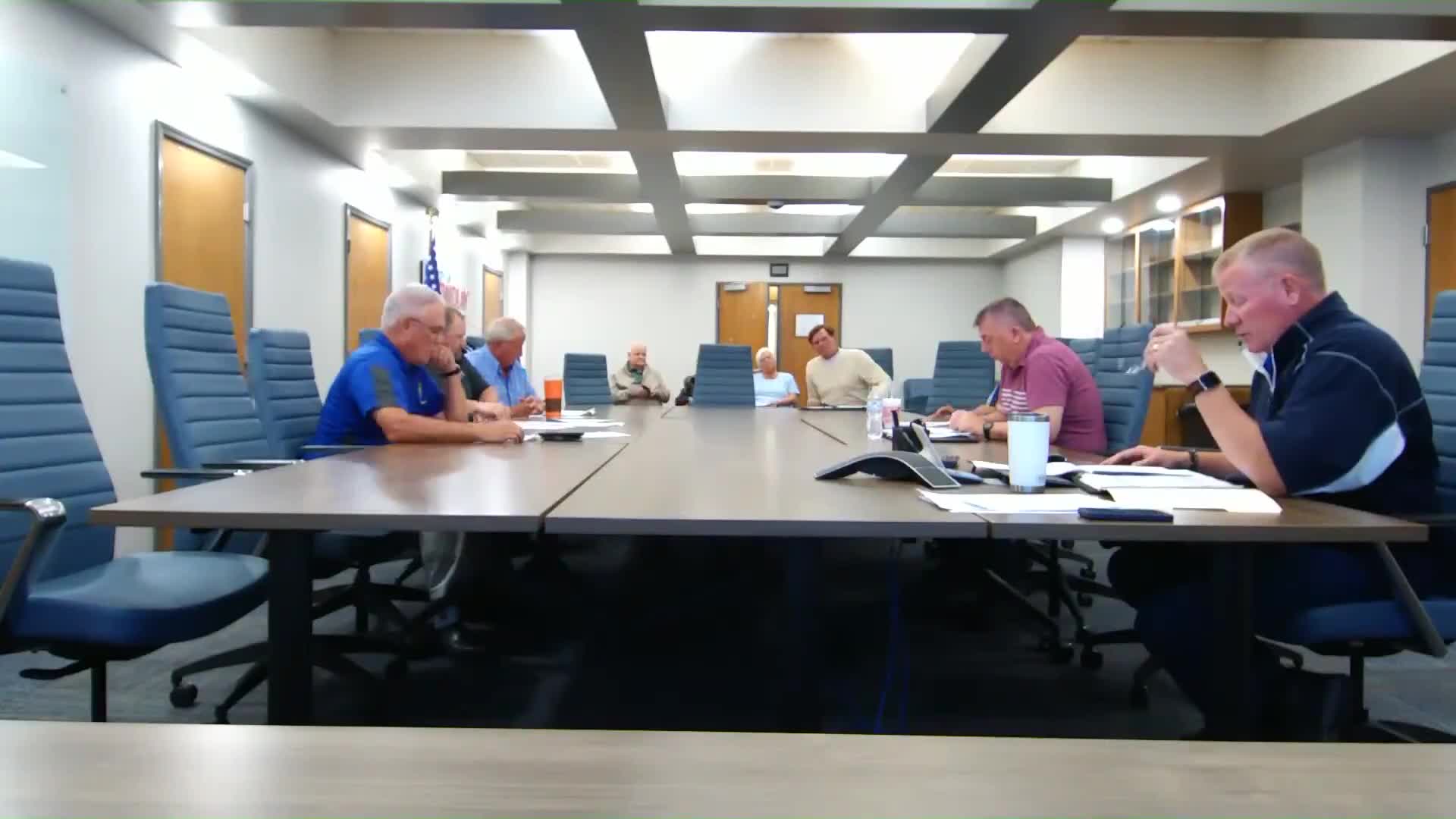
Summary
Committee members endorsed administration proposals to increase parking fines to reduce or eliminate the department's subsidy from the general fund and to improve turnover; the committee asked administration to draft ordinances and return to council.
The Streets, Sidewalks and Parking Committee voted unanimously to ask the administration to draft legislation to raise parking fines and fees so the parking enforcement program can cover its operating costs without a general‑fund subsidy.
Why it matters: city staff told the committee that parking fines and related revenue have not kept pace with rising costs; the parking enforcement program required a general‑fund subsidy this year largely because of wage increases and other cost pressures. Committee members said changes should improve turnover in high‑demand areas and create financial sustainability for the parking program.
Details and numbers presented: staff presented three options. Using 2024 revenue as a baseline (parking ticket revenue reported at roughly $49,000), proposed change 2 — highlighted by staff and supported in committee discussion — would raise the base single parking violation from $5 to $15 and raise other parking violation categories from $10 to $25 while leaving handicapped‑parking fines unchanged. Staff estimated that change would raise estimated fine revenue to about $96,000 under current assumptions, eliminating the need for a general‑fund subsidy and creating a modest positive variance in the parking enterprise budget. A third option (a single flat fine of $20 for most violations) would yield larger revenue but would require separate handling for serious violations such as blocking fire hydrants.
Enforcement and structure: committee members discussed progressive ticketing (additional citations for the same vehicle if it remains over time), late fees, and how modern enforcement software marks a vehicle’s position. Members raised common complaints, such as drivers who receive a short‑duration ticket and then return shortly afterward and are issued a subsequent progressive citation; staff explained the city’s current 24‑hour rule and plate/valve‑stem marking process used to track turnover.
Action and next steps: the committee asked administration and legal staff to prepare draft ordinances reflecting the preferred approach (staff recommended proposed change 2), to consider higher fines for high‑severity violations such as blocking fire hydrants, and to return the draft legislation to council for consideration. The committee endorsed sending the legislation to council; the motion to request drafting and submission carried unanimously.
Taper: members acknowledged these are politically sensitive changes and asked staff to present a clear comparison of old vs. new fine tables when the legislation is presented to council.