Deputy County Manager Says Workforce, Community‑facing Services Top Priorities as South32 Project Looms
Summary
Chris Young, Santa Cruz County deputy county manager, told student interviewers the county is prioritizing improvements to community development services, workforce connections for incoming industry and expanded public outreach; no formal votes or policy decisions were recorded at the session.
Chris Young, deputy county manager for Santa Cruz County, told student interviewers that improving community‑facing services, connecting local residents to jobs and managing grants are his immediate priorities as the county prepares for projected changes related to the incoming South32 mining project.
Young described why the county is focusing on workforce development: the county expects new industry to create jobs and wants local residents to fill them. "We want these awesome kids to stay here," he said, adding that the county is working with community colleges and Arizona workforce programs to connect residents to training and jobs.
The interview provided context on the county's near‑term projects. Young said county administration plans to upgrade community development software, hire additional staff in that department and streamline public access to planning, building and flood control information. "So the sooner that we can improve that workflow will definitely help," he said. He also said he manages two grants aimed at community projects and described an internal audit of nonfinancial operating procedures for departments overseen by county management.
Why this matters: the county faces "projected changes" from a major industry entrant, and officials said they want the economic benefits to spread locally. "We need to make sure that that wealth stays in Santa Cruz County," Young said, while noting projections are uncertain.
Details from the interview: - Workforce and training: Young referenced local training partners including Pima Community College and a University of Arizona representative, and cited federal/workforce programs by name. He said the county will use avenues such as WIOA and Arizona@Work to help connect residents to jobs. - Community development improvements: Young said the county will change permitting/software tools and add staff to speed and clarify services for builders and the public. - Outreach and communications: Young described expanded outreach efforts—town halls held by each supervisor, more active social media managed by communications manager Shannon Hall, and meetings with groups ranging from environmental organizations to youth sports coaches—to both inform the public and gather feedback. - Internal management work: Young described an audit of operating procedures for departments run by county management (that is, departments not directly run by elected officials) and said county management is focused on execution and operational follow‑through.
Discussion versus decisions: the exchange was an informational interview; no motions, votes or formal policy decisions were presented. Young described projects under management and goals for outreach and workforce connection but did not announce binding approvals or budget actions.
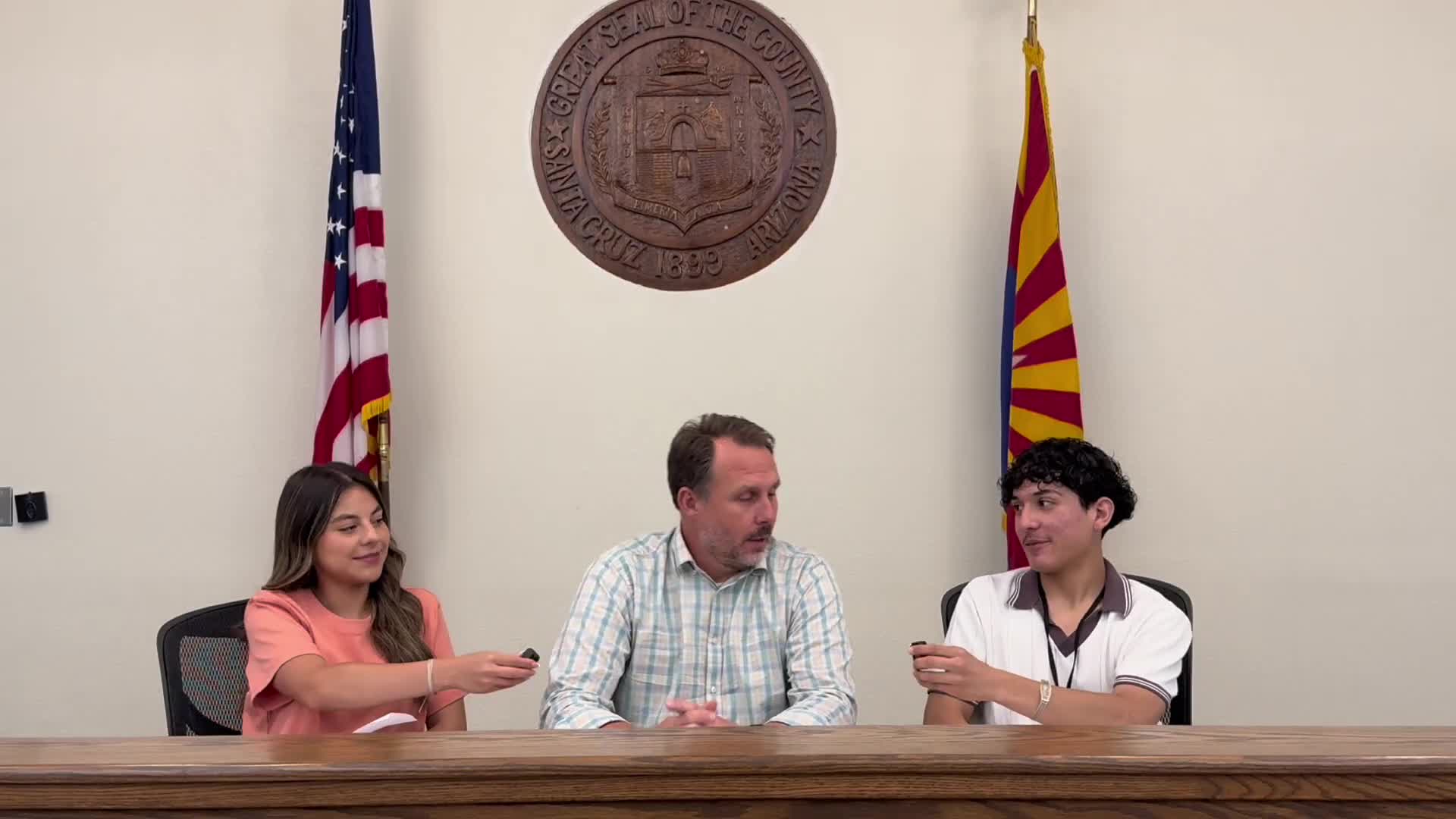
Quotes and attribution are limited to speakers on record in the interview. Student interviewers Samuel Acosta and Natalia Flores asked questions; Young provided the replies quoted above. The program was presented as a Gov 101 podcast episode featuring county leadership interaction with interns.
Looking ahead: Young said the county's emphasis is to make services more "public facing" so residents can access more information online and reduce the need to call offices. He framed workforce efforts as both immediate (existing jobs) and preparatory for potential job growth from new industry. He urged that county planning ensure benefits reach those with barriers to success and that environmental and educational priorities be preserved if new industry wealth materializes.
No formal board action, ordinance, grant award or contract was approved during the interview; the segment was informational only.