
Staff recommends small real-estate tax-rate cut to offset assessment growth; court to consider at August meeting
Get AI-powered insights, summaries, and transcripts
Subscribe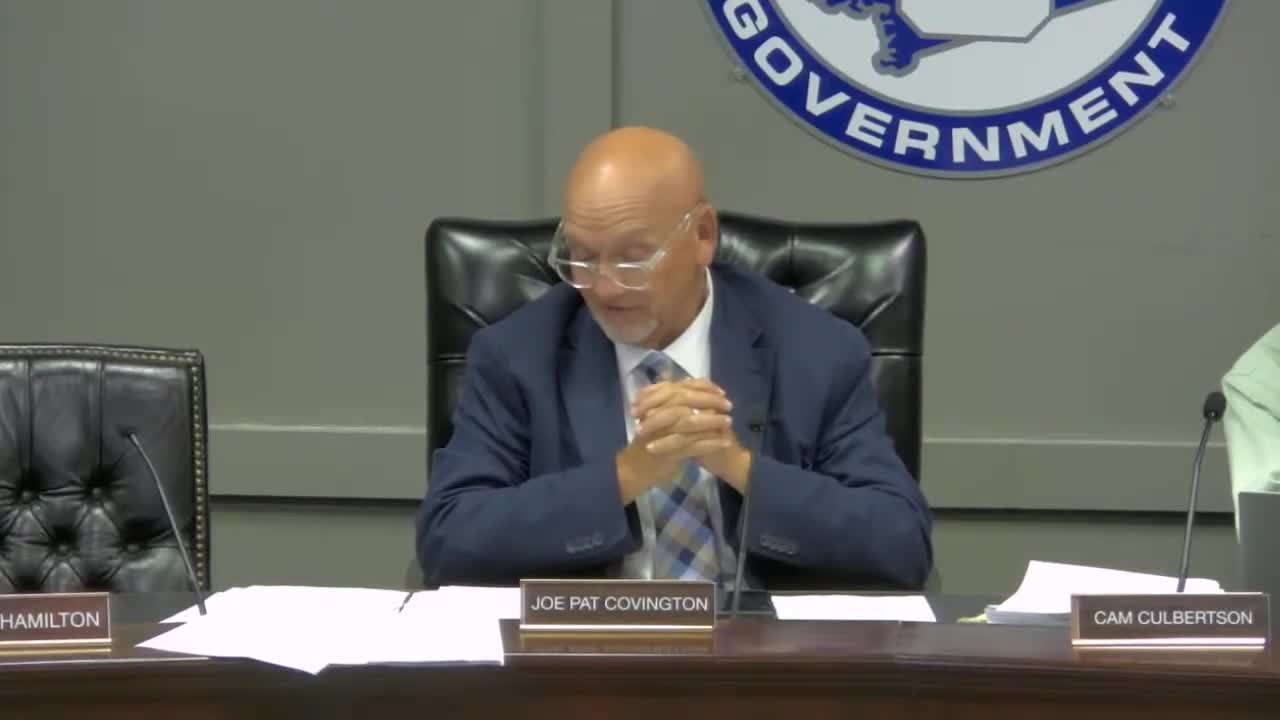
Summary
Finance staff presented a draft property-tax-rate adjustment after a multi-year run-up in assessed values; staff recommended reducing the real-estate rate to 0.0528 to limit year-to-year revenue growth to about 3.8 percent and keep the county’s property-tax burden low relative to peers.
County finance staff presented a draft property-tax-rate recommendation to the Scott County Fiscal Court on Aug. 1 in response to a multi-year increase in assessed real-estate values.
Michelle Ray (presenting staff) summarized assessment growth from 2020 through 2025, noting that assessed real-estate values rose from about $4.9 billion in 2020 to approximately $7.2 billion in 2025. To mitigate year-to-year revenue jumps driven by assessment growth, Ray recommended lowering the county real-estate property-tax rate to 0.0528 (a rate that would produce roughly 3.8% revenue growth year over year in the projection presented).
Why it matters: County staff said occupational-license taxes and net-profit receipts make up a large share of general-fund revenue, but property taxes still contribute to local revenue stability. Under the proposal the county would limit property-tax revenue growth and keep county rates among the lower end of comparable jurisdictions.
Ray and the judge gave an example for a $100,000 home: for 2024, the county’s share of the property tax (excluding city tax) was $8.99; of that, most revenue goes to schools. Staff emphasized they have limited direct control over assessed values and that the recommended rate rationalizes the county’s share so growth does not exceed comfortable targets.
The court discussed the formula and the county’s conservative approach; court members said they prefer the lower rate approach rather than leaving the current rate in place and risking larger increases in taxpayers’ bills.
Staff said they will bring the formal rate for consideration at the next fiscal court meeting (anticipated in August) and that the recommended change is intended to maintain measured revenue growth and protect taxpayers from large assessment-driven spikes.
Ending: The court asked staff to finalize the draft and prepare formal tax-rate resolutions for the upcoming meeting; no rate was adopted on Aug. 1.