
Newton County announces tentative 10.31% property tax increase; public hearing draws senior and taxpayer concerns
Get AI-powered insights, summaries, and transcripts
Subscribe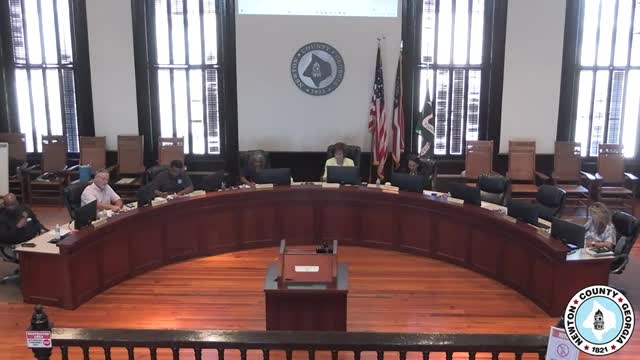
Summary
Newton County finance staff read a tentative millage rate into the record Thursday that county officials said would raise property taxes by 10.31%, prompting a public hearing where residents urged clarifications and relief for seniors and disabled taxpayers.
Newton County finance staff read a tentative millage rate into the record Thursday that county officials said would raise property taxes by 10.31%, prompting a public hearing where residents urged clarifications and relief for seniors and disabled taxpayers.
The county’s tentative millage rate of 8.567 mills — an increase of 0.801 mills over the rollback rate of 7.766 mills — “will require an increase in property taxes of 10.31%,” Finance Director Bridal White said while reading the statement required for the public record. The county estimated the proposed tax increase would add about $100.93 a year for a homeowner with a $325,000 fair‑market value home and about $96.12 for a non‑homestead property valued at $300,000.
Why it matters: The millage statement triggered a required public hearing under Georgia law and drew more than a half dozen residents who said the proposed increase would burden seniors and people on fixed incomes and asked for detail about how the additional revenue would be spent.
During public comment, residents repeatedly asked where the extra revenue would go and whether the county could cut spending instead. John Dobbs, a Covington resident, questioned the arithmetic and affordability for seniors: “Senior citizens know how much they get for the year by February… Social Security gives us a 3% pay rate… We keep losing this 2% every year. We don't have no extra money, and, 10%, do y'all want to go up?”
Other speakers raised similar concerns. David Gilbert said that a 10% increase was “a huge chunk” for households on fixed incomes. Stephen Hogan and Laurie Ausley said they had not seen local improvements that would justify the increase; Ronald Horn asked whether disabled residents, veterans and seniors would receive tax relief. James Peterson raised concerns about alleged improper use of procurement cards and said he may refer the matter to the district attorney.
Commissioners answered residents’ questions and described drivers of the increase. Commissioner Edwards emphasized that the county and the local school board set separate millage rates: “The school system's budget and their tax levy is 100% separate from ours.” Commissioner Mason referenced state legislation and voter action that affect local revenues, saying, “House Bill 581… puts a lock on your property taxes with no more than 3%,” and that the county must balance limited revenue against ongoing costs for deputies, firefighters, judges, tax offices and other services.
Mason and other commissioners listed specific cost increases cited in the county budget as drivers of the higher millage: a countywide market‑based salary (compensation) increase to reduce employee turnover estimated at about $3.7 million; health insurance increases of about $1.5 million; contingency funding for staffing of new facilities created by voter‑approved SPLOST projects of about $1.75 million; $1 million for public works bridge work and $750,000 for culvert replacement — figures commissioners said represent the increase over last year.
Commissioner Long, who noted his professional background in real estate, urged residents to check the county property record card on QPublic for valuation errors and explained that the Board of Commissioners does not set assessed values: “The board of tax assessors evaluates your property. You have the right to appeal that value when you get it.”
The meeting record shows the county opened and then closed the required public hearing after several residents spoke. No final millage adoption vote was recorded in the transcript excerpt; the reading described the rate as “tentatively adopted.” The meeting ended after a motion to adjourn from Commissioner Long, a second (not named on the record), and a voice vote in favor.
What’s next: Commissioners said the budget and millage rate were developed in prior workshops and hearings; the reading Thursday was the formal notice and the public comment opportunity. Officials encouraged residents who are eligible for senior or disabled exemptions to contact the Tax Commissioner’s office and told residents they may attend school‑board meetings to raise questions about the school portion of the tax bill, which commissioners said comprises a larger share of most taxpayers’ bills.
Ending: The board closed the hearing after public comment and adjourned following a voice vote.