
Council reviews street‑maintenance fee fund after resident survey showed dissatisfaction
Get AI-powered insights, summaries, and transcripts
Subscribe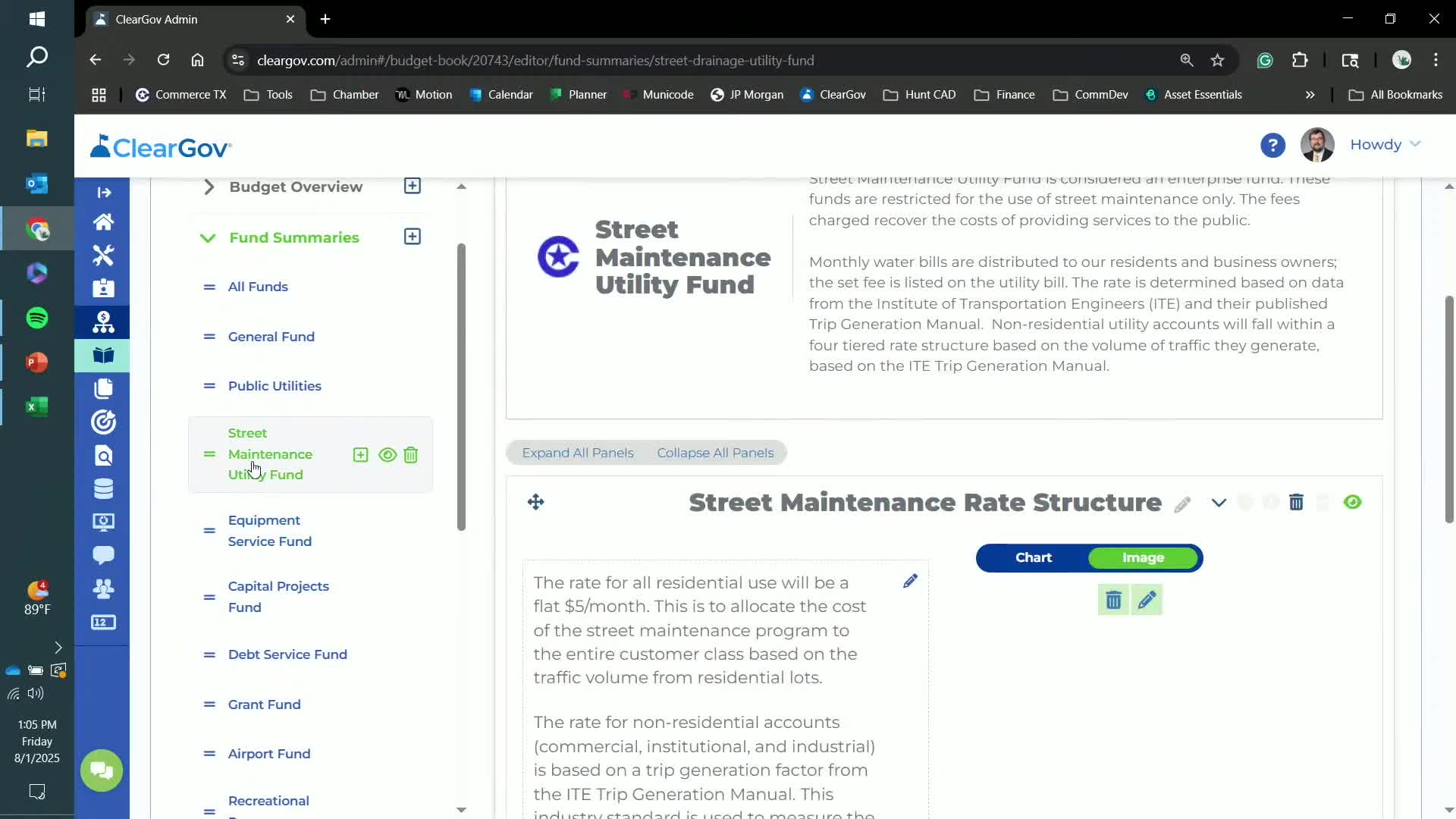
Summary
Staff described a dedicated street maintenance fee that brings in about $200,000–$250,000 annually to pay for equipment, materials and targeted projects; council was told the fee will not increase this year while the city tests operations and purchases equipment.
City staff told the council that a community satisfaction survey showed streets as the top area of resident dissatisfaction and that the city responded by creating a dedicated street maintenance fee charged on utility bills. The fee structure charges a flat $5 per residential account and scales commercial accounts into tiers based on traffic generation — a method derived from Institute of Transportation Engineers trip‑generation norms. The fee is dedicated to street maintenance and reconstruction and is recorded in the public utility fund as an enterprise revenue stream. Staff reported the fund currently brings in roughly $200,000–$250,000 per year and projected an end‑of‑year fund balance around $544,000 after earlier purchases (the city bought an “asphalt zipper” machine). The initial equipment purchase strategy was to save for tools first and then spend revenues on materials and contractors to deliver projects. Council asked how the fee interacts with the public works street department. Staff explained the street department provides labor and equipment operation while the street maintenance fund pays for material costs and can pay contractors for large paving or cap projects; the purchased tools live with public works but are funded by the fee. Staff said the city is not proposing to raise the fee now. The plan is to buy equipment, train staff, track costs and measure what level of service the fee supports before asking for additional revenue.