
Ashland County presenter urges committees to collect public input for 10-year comprehensive plan
Get AI-powered insights, summaries, and transcripts
Subscribe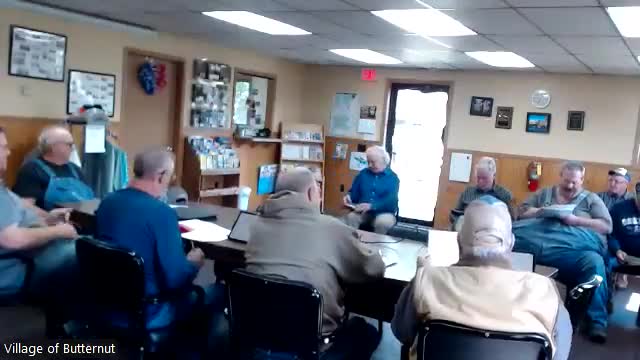
Summary
At an Ashland County meeting, a presenter reviewed statutory requirements for the county's 10-year comprehensive plan and asked standing committees to add agenda items and a dedicated public comment period to gather and record input for the planning process.
George Posey, presenter, told an Ashland County meeting that Wisconsin law requires the county to prepare a comprehensive plan every 10 years and urged county committees to collect and record public input to meet that requirement. "It's a Wisconsin statutory requirement for us to do the, the comprehensive plan for the county every 10 years," Posey said.
Posey said the comprehensive plan should include required elements such as intergovernmental cooperation; trends and long-term issues; economic development and land use; agriculture, forestry and natural resources; cultural resources and community facilities; transportation and utilities; and housing. He said committees can gather input by placing a standing agenda item on their regular meetings and by holding a second, dedicated public comment period focused on the plan.
Posey described the practical steps he recommended: publish committee agendas at least one week in advance on the county website to provide public notice; record commenters' verbatim remarks in the minutes so the planning committee can use them; and have staff sort submissions into the appropriate plan elements. He identified Eric Hanifel, the county's grant writer, as the staff member who would help sort comments for the planning committee.
The meeting record shows no formal motion or vote on the planning process at that session. Discussion focused on process and documentation: why committee-level discussion is useful, how to preserve commenters' statements in minutes, and which committee maps to which plan elements. Posey emphasized that input captured in minutes would become the record available to the public and the planning committee during plan preparation.
No timetable for committee submissions or a target date for plan adoption was specified in the discussion; Posey referred generally to the statutory 10-year cycle. He also noted that some planning committee members would lead specific elements (for example, Pat Kenny for agriculture/forestry and Gary Mertig for economic development and land use), and that not all named members were present at that meeting. The next step described was for standing committees to place the topic on upcoming agendas so that their discussions and any public comments would be captured in official minutes for use by the planning committee.