
Douglas County reviews Consolidated Fire District 1 2026 budget, considers half-mill increase for staffing
Get AI-powered insights, summaries, and transcripts
Subscribe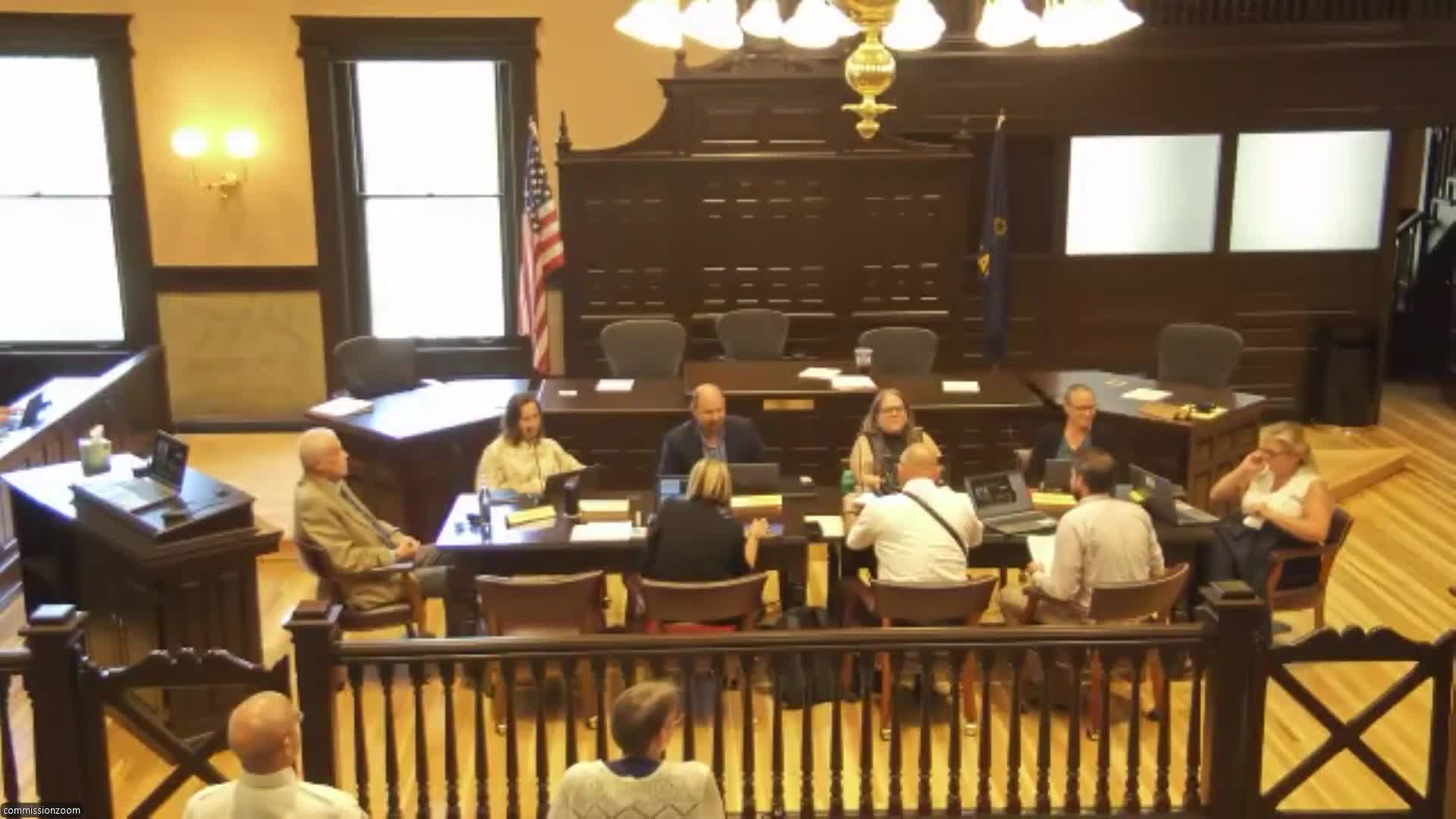
Summary
The Douglas County Board of County Commissioners received a presentation July 30 on the 2026 budget for Consolidated Fire District 1, including two scenarios: a 5.5-mill option and a 6.0-mill option that would add personnel and strengthen equipment reserves.
The Douglas County Board of County Commissioners received a presentation July 30 on the 2026 budget for Consolidated Fire District 1 (CFD 1), including two scenarios: a 5.5-mill budget that reflects the package originally in the commissioners’ packet and a 6.0-mill option that would add ongoing staffing capacity and reduce the need to use equipment reserves for recurring payroll.
County staff member Sean Peterson presented the budgetary details, saying the district covers roughly 288 square miles and that the difference between 5.5 mills and 6.0 mills would raise about $158,000 for CFD 1 in 2026. He noted that a half-mill increase would amount to about $1.44 per month on a $300,000 home, or about $17.25 per year.
Why it matters: Commissioners and CFD 1 leaders said staffing shortfalls are the district’s most critical problem. Under the 6.0-mill scenario staff and the fire chief said the money would fund two additional full-time 24-hour firefighter positions at Station 111 and permit conversion of a 40-hour Lecompton position to 24/7 coverage, moving the district toward a three-shift model with additional supervisory (battalion chief) capacity.
Key budget details and planned uses - Personnel constitutes about 46% of CFD 1’s budget, the presentation said. The 6.0-mill scenario adds FTEs intended to move Lecompton (Station 151) and Station 111 toward continuous 24/7 coverage and to create additional shift supervisors over time. The presentation described a longer-term staffing model (a multi-year plan) that would add firefighters and battalion chiefs as funding allows. - Operating and capital changes called out in the packet included roughly $25,000 for facility work (including replacing an apron at Station 111), $18,000 for hose/ladder testing and staff health screenings, a $12,000 allocation for NFPA-compliant bunker gear, and a $48,000 reduction in capital outlay tied to IT and emergency-communications integration with county systems. - A $75,000 reduction in the motor-vehicle line was shifted into reserves for larger future purchases. Transfers for equipment reserves were shown at about $300,000 in 2026, up from about $150,000 in 2025.
Staffing, response times and operational implications Chief Mathis of CFD 1 described the current operational strain: "It's still, again, 1 person typically responding in a truck," and said that single-person responses raise safety and training concerns. The chief and staff described response-time differences across the district: Station 151’s coverage west of Lecompton typically yields 5–6 minute runs on gravel roads, while Station 111 responses to the same areas can take 25 minutes or more.
Staff and commissioners emphasized that adding personnel would improve on-the-job training, morale and continuity: having two persons on shift would allow paired training and shorten the time needed to get newer hires fully operational. County staff and CFD leaders said recruiting and certifying new firefighters is time-consuming; entry-level onboarding to full competency can take about nine months to a year because external certifications (EMS and Firefighter I) are required and not always offered locally.
Mutual-aid and coordination CFD 1 officials described mutual-aid relationships with neighboring municipal departments, including Lawrence and Eudora, and said coordination also influences staffing needs. Eudora was described as having its own staffing struggles; the presentation said the county will pursue stakeholder conversations with other departments to streamline mutual aid, automatic aid and dispatch communication as part of a multi-year planning process.
Commissioners’ next steps and deadlines County staff requested direction from the commission on which budget scenario to publish for public hearing. Staff said they must publish by Aug. 11 and hold a hearing on Aug. 27; commissioners did not take a formal vote during the work session. One commissioner said the 6.0-mill package is a "baby step" that avoids using ongoing transfers or reserve reductions to pay recurring personnel costs and would allow the county to avoid what staff described as a “shell game” of shifting one-time funds into ongoing payroll.
What was not decided or remains uncertain The commission did not vote on a mill levy change during the work session; staff characterized the session as informational only and said no decisions are made at work sessions. The exact number of parcels that would be affected by the half-mill increase was not specified at the meeting; staff provided a district population estimate of about 13,000 residents and said parcel counts could be provided later.
Outlook Staff recommended continued work with CFD 1 and other stakeholders on a five-year plan and formation of a task force to prioritize needs and timelines. If commissioners direct staff to publish the 6.0-mill budget, hiring and certification timelines mean new personnel would not likely be functionally integrated until months after hire; presenters estimated that hires approved in late 2025 could be substantially operational by late 2026.