
River groups and scientists urge excluding pumped storage from statutory "clean energy" definition
Get AI-powered insights, summaries, and transcripts
Subscribe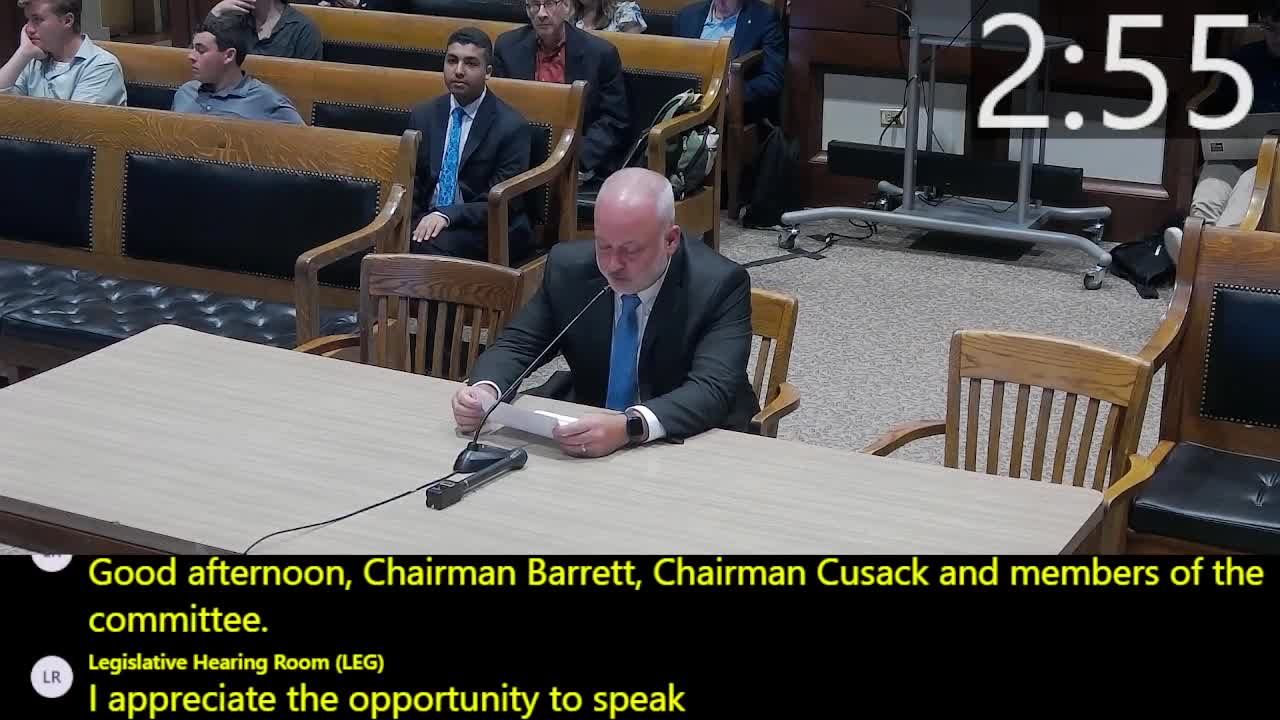
Summary
Witnesses supporting S2237 told the committee that existing pumped hydro facilities should not qualify for new state subsidies or streamlined treatment labeled as "clean energy," citing riverine ecological damage and potential ratepayer costs.
BOSTON — Scientists, river‑conservancy staff and western Massachusetts residents urged the Joint Committee on Telecommunications, Utilities, and Energy on July 9 to exclude existing pumped hydropower facilities from the state’s statutory definition of “clean energy.” They said inclusion would risk subsidizing projects that cause environmental harm and impose costs on ratepayers.
Eve Vogel, scholar of river and electric power system management at UMass Amherst, said the Commonwealth risks spending hundreds of millions of dollars to procure existing pumped‑storage hydropower. “Based on recent cost estimates from New York state, procuring this existing storage could cost ratepayers $750 million,” Vogel said. She recommended adding a clarifying “not” to the 2024 law so that existing storage would not be eligible for new procurement subsidies.
Nina Gordon Kirsch, Massachusetts River Steward for the Connecticut River Conservancy, and local residents described ecological impacts they attribute to pumped storage facilities such as Northfield Mountain and Bear Swamp, including abrupt daily flows that cause bank erosion and disrupt fish movement. They said those operations have harmed river ecosystems and should not receive the state’s clean‑energy designation, which can change regulatory review and access to ratepayer funds.
Witnesses emphasized that while pumped storage provides reliability benefits and participates in ISO market signals, the environmental tradeoffs and current market earnings argue against treating these existing facilities as newly eligible for state subsidies or reduced review. Several municipal and environmental witnesses asked the committee to advance Senate Bill 2237 to clarify the statute.
Committee members acknowledged the technical nature of the issue and asked for written cost estimates and environmental data. No votes were taken. Witnesses asked the committee to adopt a statutory change to prevent existing pumped storage from receiving additional state procurement funds or simplified regulatory treatment.
Sources: testimony to the Joint Committee on Telecommunications, Utilities, and Energy, July 9, 2025. Quotations and figures from Eve Vogel (UMass Amherst), Nina Gordon Kirsch (Connecticut River Conservancy) and other western Massachusetts witnesses.