Panel hears sharp debate over lifting statewide ban on rent stabilization
July 29, 2025 | 2025 Legislature MA, Massachusetts
This article was created by AI summarizing key points discussed. AI makes mistakes, so for full details and context, please refer to the video of the full meeting. Please report any errors so we can fix them. Report an error »
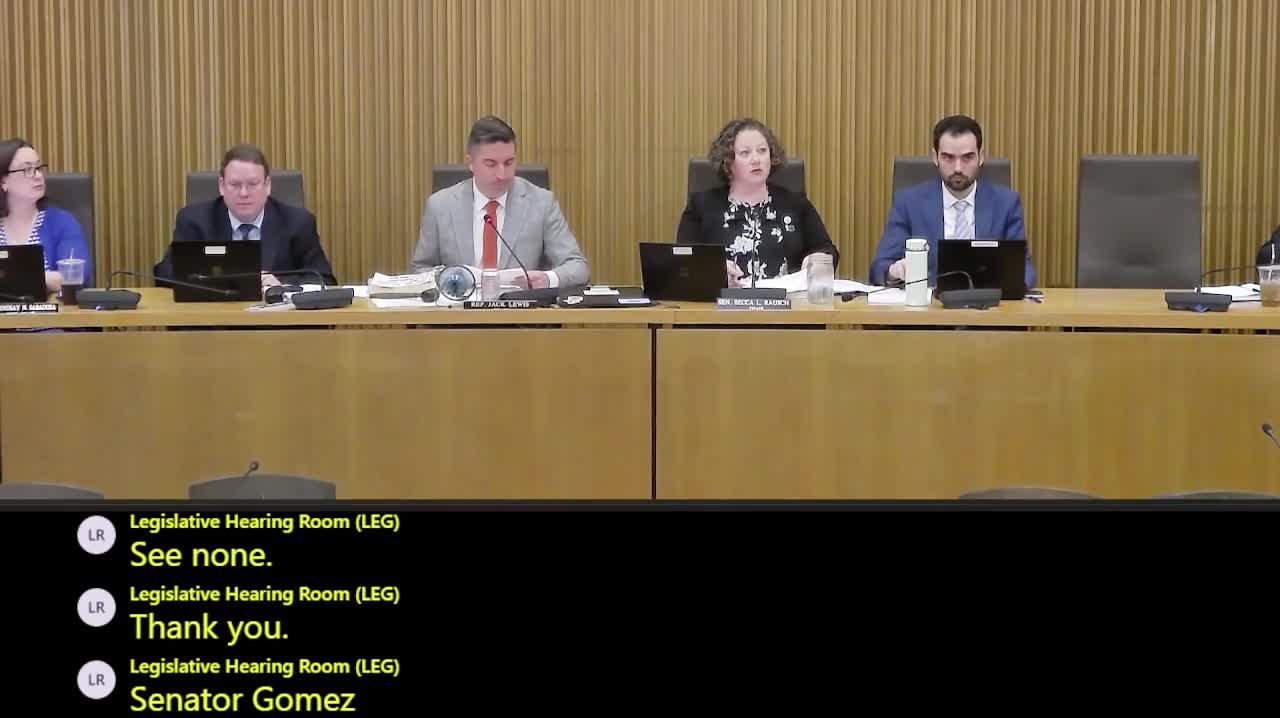
Housing advocates, tenant organizers and labor unions told the committee that steep rent increases are already forcing residents from their homes. Kevin Brusso, secretary‑treasurer of the Massachusetts AFL‑CIO, said many union members cannot afford rents in their communities and praised S.1447 for exemptions that would not, he said, “stymie new construction or impact mom and pop landlords.” Tenants and tenant‑organizers described rapid increases, one tenant saying she received a notice of a $400 rise and another saying her building was bought by an out‑of‑state investor who raised rents 30–50 percent; tenant leaders urged the committee to give municipalities tools to prevent displacement now rather than wait for longer‑term increases in housing supply.
Opponents — including several small, family landlords who testified — warned the bill would have harmful market effects. Mindy Perry, a small landlord, said she was “going through a really tough eviction right now” and that rent limits would “devastate the housing supply and drive the rent price even higher.” Property owners and landlord witnesses argued rent stabilization can discourage maintenance, complicate evictions for serious lease violations and push smaller owners out of the market.
Lawmakers and expert witnesses traded evidence about outcomes in other places. Supporters pointed to research and examples showing rent regulation can protect tenants without halting construction; critics pointed to past episodes of supply disruption in certain markets. Several public‑health and homelessness advocates told the committee that stabilizing rents would reduce homelessness and emergency housing demands now, while housing developers argued that production and zoning reforms remain necessary to increase long‑term supply.
The hearing featured a wide range of local testimony: tenants from Springfield, Lynn, East Hampton and Cape Cod; immigrant and community organizations describing families who lost homes after investor purchases; and municipal officials asking for more policy tools. No final vote or committee action was taken at the hearing; legislators heard public testimony and accepted written comments for the committee record.
Why it matters: The bill would change who decides rent policy. Supporters say local options would let cities facing acute displacement act immediately; opponents say statewide limits would shift costs to small owners and could have unintended market effects. The committee will weigh the competing claims and evidence as it decides whether to recommend action to the full Legislature.
View the Full Meeting & All Its Details
This article offers just a summary. Unlock complete video, transcripts, and insights as a Founder Member.
30-day money-back guarantee
Sponsors
Proudly supported by sponsors who keep Massachusetts articles free in 2025

