
Mass. judiciary committee hears package of bills to expand tools against animal cruelty and bar convicted abusers from pet ownership
Get AI-powered insights, summaries, and transcripts
Subscribe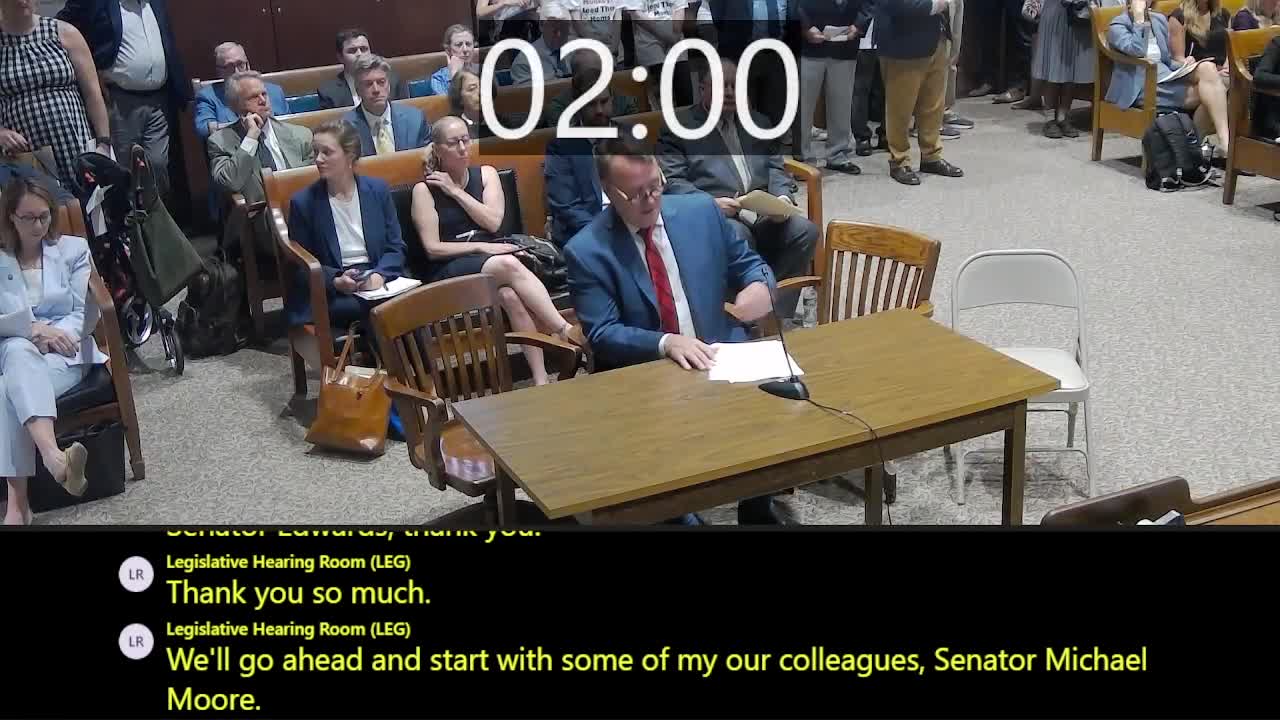
Summary
Chair Lydia Edwards and Representative Michael Day presided over a hearing where lawmakers heard multiple bills aimed at strengthening protections for animals, increasing noncriminal enforcement tools and creating time‑limited possession bans for people convicted of serious animal abuse.
Chair Lydia Edwards and Representative Michael Day presided over a hearing where lawmakers heard multiple bills aimed at strengthening protections for animals, increasing noncriminal enforcement tools and creating time‑limited possession bans for people convicted of serious animal abuse.
The committee heard testimony from humane law enforcement and advocacy groups pressing for civil procedures that would let animal control officers, humane societies and courts remove animals or order required care without first pursuing a felony prosecution. Supporters said the change would let agencies act sooner to prevent suffering in cases where voluntary surrender or cooperation is not forthcoming.
“Sometimes educating owners and offering low‑cost veterinary care is enough,” said Chris Schindler of the Massachusetts Society for the Prevention of Cruelty to Animals. “But at times that is not enough. A civil route to obtain custody or require care would prevent needless suffering without forcing a criminal charge in every case.”
The package discussed included proposals that would: - Establish a civil process allowing law enforcement or authorized humane officers to seek orders for removal or care of neglected animals (bills cited: S.1277 / H.19 34 and related draft language presented to the committee). - Create temporary possession bans preventing individuals convicted of certain felony animal‑cruelty offenses from owning animals for set periods, modeled on prior statutory language in PAWS‑2 for certain offenses (bills cited: H.19 14 / S.1207). - Expand authority to issue civil citations for cruel conditions beyond dogs to include other domestic animals and some farm animals (H.19 38 / S.1038 references in testimony). - Strengthen penalties and create fines that would be deposited into the Massachusetts Animal Fund to support spay/neuter and veterinary services, as described by witnesses advocating fines be used for animal welfare programs.
Animal control officers and humane investigators described cases in which owners repeatedly failed to provide care, or in which hoarding situations involved dozens to hundreds of animals with poor sanitation and untreated medical needs. Tracy Rondinello, an animal control officer serving Springfield, Chicopee and Holyoke, described a case involving more than 40 animals in unsanitary conditions and said current criminal statutes limited officers’ ability to secure prompt relief for non‑dog animals.
Supporters argued civil remedies and expanded citation authority would allow earlier intervention, reduce repeat harm, and reduce the need to pursue felony prosecutions in every case. They also said a targeted possession ban for convicted animal abusers — as proposed in related legislation — would close a statutory gap that today can allow some offenders to acquire animals after conviction.
Opponents and commenters urged safeguards for due process and raised operational concerns. Stacy Ober of the American Kennel Club urged amendments to the civil proposal to require a clear‑and‑convincing evidentiary standard for neglect findings, at least seven days’ notice for hearings, notice and opportunity for independent veterinary exams at a respondent’s expense, and to bar warrantless civil seizures except in true exigent emergencies. Alyssa Clements, representing pet‑industry groups, supported the goal of keeping animals away from abusers but opposed shifting enforcement responsibilities for registry checks or denials to shelter staff or retail clerks; she urged law‑enforcement‑led enforcement instead.
Several witnesses from MSPCA, Animal Rescue League of Boston and other humane organizations pressed the committee to advance the bills as drafted, saying the changes align with a public‑safety and animal‑welfare approach that prioritizes preventing harm while reserving felony prosecutions for the most serious conduct.
What happens next: the committee took testimony; no vote or formal action was taken at the hearing. Supporters asked the committee to report the bills favorably so the changes can be debated in later committee stages. Lawmakers and witnesses asked for technical amendments to ensure due‑process protections and to clarify seizure, notice, and care‑cost provisions.
Why this matters: witnesses say the current statutory toolbox in Massachusetts — which relies primarily on felony prosecution for many forms of animal cruelty — can force long waits and limits options to remedy neglect or hoarding. The civil process and citation expansions would create lower‑threshold, faster interventions in many welfare cases, while a possession ban aimed at convicted abusers would aim to prevent recidivism.
Speakers included staff and advocates from the MSPCA, Animal Rescue League of Boston, Animal Legal Defense Fund, American Kennel Club, Animal Control Officers, rescue volunteers and multiple legislators who introduced or sponsored the bills. No formal votes were recorded during the hearing.