
Commission endorses sales-tax incentives for personalized firearms; two exemption options pass
Get AI-powered insights, summaries, and transcripts
Subscribe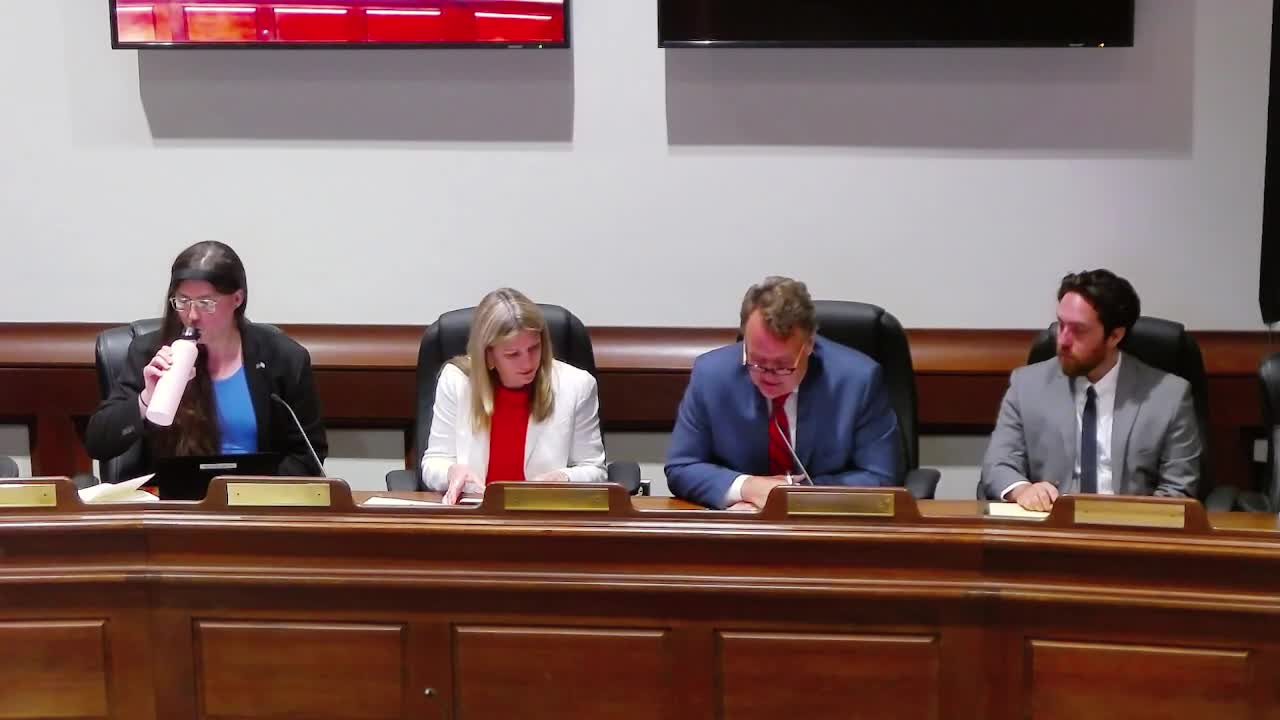
Summary
The commission recommended sales-tax exemptions to encourage personalized firearms, voting in favor of a straight five‑year exemption and a second option that included a trade‑in; both recommendations will be included in the final report to the General Court.
The Special Legislative Commission on Emerging Firearm Technology on July 20 recommended that the Massachusetts General Court pursue sales-tax exemptions to encourage purchase of personalized (so-called "smart") firearms, and that the Commonwealth study purchase rates while any exemption is in effect.
The commission found that personalized firearms may reduce accidents and deaths but noted their higher price compared with conventional firearms. The commission presented two options: 1) a sales-tax exemption for personalized firearms that would sunset after five years, and 2) a five-year sales-tax exemption that would require a trade-in of a non‑personalized firearm. The commission directed that the Commonwealth study the rate of personalized firearm purchases during the exemption period.
Commissioners voted on the first option and the roll call in the transcript recorded 10 in favor, 2 against and 1 abstention; that option passed. On the second option (trade-in), the transcript shows a roll call of 7 in favor, 5 against and 1 abstention; that option also passed. The transcript does not record movers or seconders for either motion.
Why it matters: The exemptions would be a fiscal incentive for buyers of personalized firearms and would require action by the General Court to change sales‑tax treatment. The commission recommended studying purchase rates during the exemption to assess the incentive’s effectiveness.
What comes next: The commission included these recommendations in its final report to the clerk and to the General Court; any tax exemption would require legislative enactment and likely fiscal analysis by state revenue offices.