
Okanogan County planning panel advances draft to require named roads at two homes, authorizes limited drone use for 911 addressing
Get AI-powered insights, summaries, and transcripts
Subscribe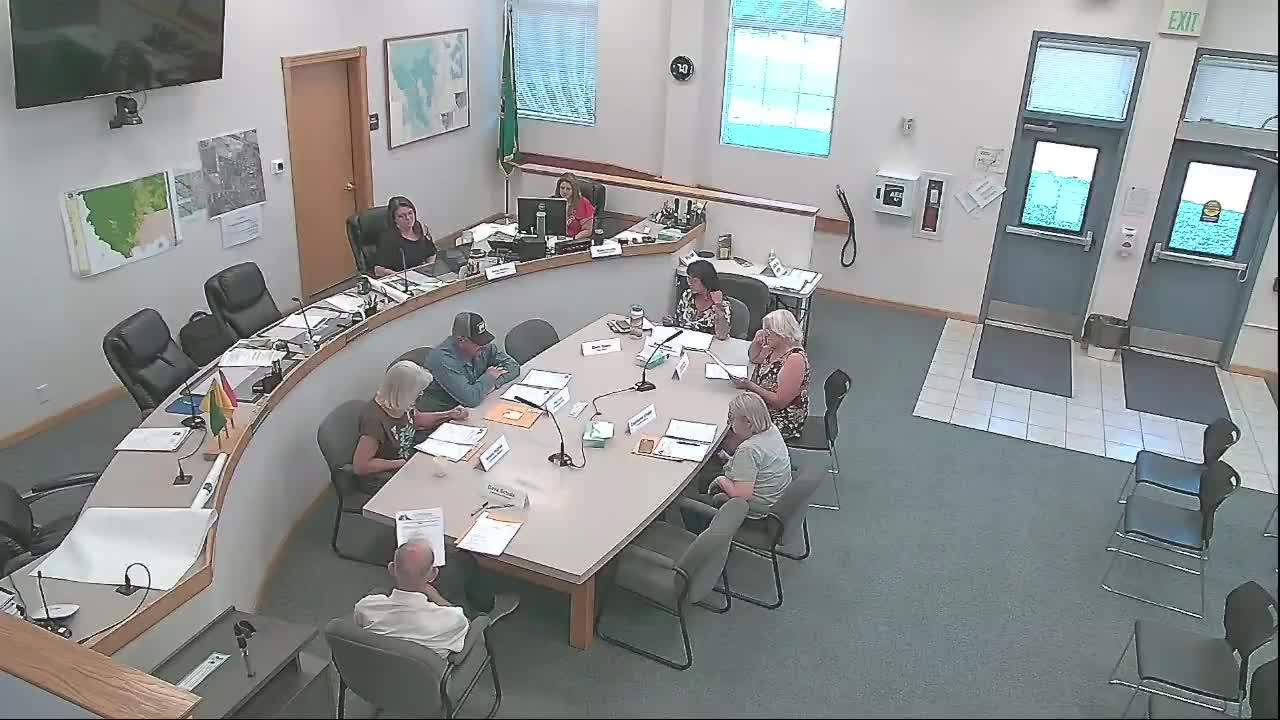
Summary
The Okanogan County Planning Commission voted to send a draft code revision to public comment that would change when private driveways become named roads and add a limited authorization for county GIS drones to support mapping and 9-1-1 addressing.
The Okanogan County Planning Commission voted to send a draft revision of county addressing rules to a 30-day public comment period, including a change that would require private driveways with two residences to be named as roads and a provision authorizing the county GIS division to operate unmanned aircraft systems to support mapping and 9-1-1 addressing.
The proposed changes were introduced at a work session where planning staff described the need to reduce address confusion for emergency responders and to modernize how primary access points are determined. Planning staff said the code change would replace the current practice of adding lettered suffixes (A, B, C) on the same driveway and instead assign numbered addresses measured from the primary access road.
Staff emphasized why the mapping change matters: “the Okanagan County GIS division is authorized to operate unmanned aircraft systems for the purpose of supporting mapping, land management, addressing, and spatial data collection,” the staff member said during the meeting. The staff member also said the drone photos would give “aerial view…to determine what's the primary access and where their 9-1-1 sign locate should be according to what the addressing process and system says.”
Why it matters: Commissioners and several residents said misnumbered or lettered addresses have hampered emergency response. A former fire chief said crews have spent hours trying to find calls because roads were unnamed or addresses were out of sequence; another resident recounted multiple difficult ambulance runs. One resident told the commission, “a drone over our property is like looking in our house window,” voicing privacy concerns shared by other members of the public.
Supporting details and scope: Under the draft, the county would stop using alphabetic suffixes once two structures exist on the same driveway and would instead name the road and calculate addresses by distance from the primary access road, using the county’s established measurement method (units described to staff as hundredths of a segment to the mile). Staff said those measurements are how current addresses are derived and that the change aims to reduce confusion for first responders.
On drone operations, staff said county drone operators must meet federal requirements: drones must be registered and flown under Federal Aviation Administration rules and county pilots are pursuing required certifications. Staff said drone flights for addressing would typically involve the property owner or complainant being present; staff described the intended use as ‘‘ground-truthing’’ to determine primary access and sign placement rather than routine surveillance.
Public concerns and safeguards: Several commissioners and members of the public urged additional safeguards and clearer wording limiting drone use only to 9-1-1 addressing. One commissioner suggested a separate resolution describing countywide drone policy and requiring permission or notification when drones will be flown. Planning staff responded that the green text in the draft narrows the use to mapping, land management, addressing and spatial data collection and that other agency uses (sheriff, DNR, WDFW) already operate drones under their authority.
Process and next steps: The commission approved a motion to send the amended draft to a 30-day public comment period and to schedule future public hearings. Planning staff said they will prepare the public notice and expect the package to be posted on the county website within a few weeks; publishing, a 30-day comment window, and preparation for a commission meeting were estimated to take roughly 45–50 days, placing a likely hearing about two months out. The motion to send the draft for public comment was moved from the floor and approved by the commission.
What the draft does not change yet: Staff told the commission that criminal enforcement provisions now in the addressing chapter are planned to be moved into a broader Title 19 update that would convert many code violations from criminal misdemeanors to civil compliance processes; that Title 19 effort is a separate, forthcoming workstream handled in draft form by the county and the prosecutor’s office.
The commission will accept public comments on the green-line draft and consider edits before forwarding a final ordinance recommendation to the Board of County Commissioners.