
Anaheim to join voluntary IGT program that will front funds for federal Medicaid ambulance reimbursements
Get AI-powered insights, summaries, and transcripts
Subscribe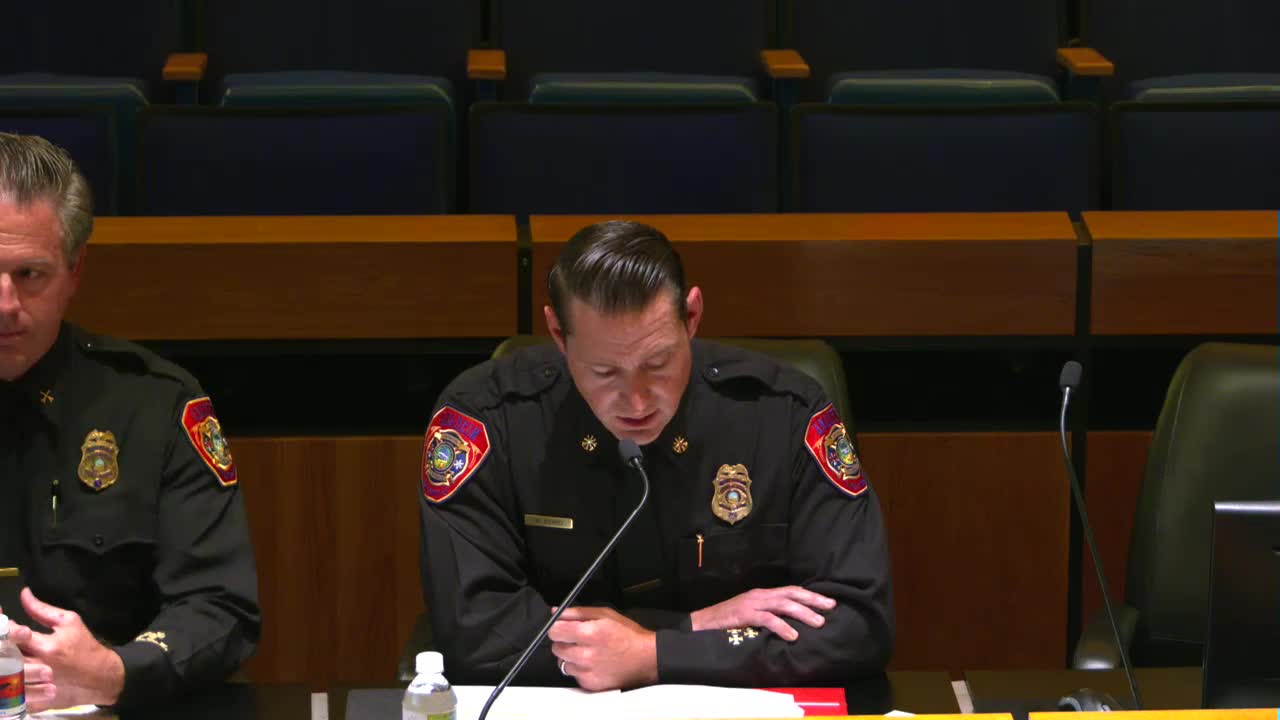
Summary
Council approved participation in a voluntary intergovernmental transfer program (VRR IGT) that requires Anaheim to contribute roughly $1.23 million up front and is expected to return an estimated net reimbursement of about $2.9 million less administrative fees.
The Anaheim City Council approved the city’s participation in a voluntary intergovernmental transfer program (described in staff materials as the VRR IGT) intended to capture federal Medicaid reimbursement for unreimbursed ambulance services.
Staff representing the fire department told the council the program requires the city to submit an initial payment to the California Department of Health Care Services; the staff presentation estimated an upfront contribution of approximately $1,230,000 (including a 20% DHCS assessment fee). The estimated gross federal reimbursement to the city was reported as roughly $2.916 million before CalOptima administration fees, with the city to receive its original IGT back plus an additional share of recovered funds.
Why it matters: The city’s emergency medical services (EMS) program provides ambulance transport for residents and uninsured or underinsured patients; staff said the VRR IGT is a fiscal mechanism that can recover federal funds that would otherwise not be returned to the local jurisdiction. Staff framed the action as a way to offset unreimbursed ambulance operating costs without reducing service levels.
Key details discussed - Mechanics: Staff described the process: the city would remit the invoice from DHCS (estimated in October) and receive subsequent reimbursement in a later month (staff estimated March 2026) after federal processing and regional administrative steps by CalOptima. - Financials: Staff presented an estimated return of roughly 137% of the initial city contribution over the program cycle, after which regional administrative fees and CalOptima charges are deducted. - Service impact: Staff said participation does not change operational EMS resources, staffing or response levels; the program is a fiscal reimbursement mechanism only.
Council action Council asked clarifying questions and then voted to approve participation; a roll call recorded 7 ayes and no nays. The staff report noted a participation invoice timeline beginning in late 2025 and expected net reimbursement in early 2026.
Ending: Staff advised the council that CalOptima will administer the federal claim process and that the city’s contribution is an upfront transfer to enable the federal drawdown; Anaheim will be reimbursed according to the program schedule and CalOptima’s administration of the transfer.