
Highlander Fire Protection District outlines EMS growth plan and mobile‑health pilot
Get AI-powered insights, summaries, and transcripts
Subscribe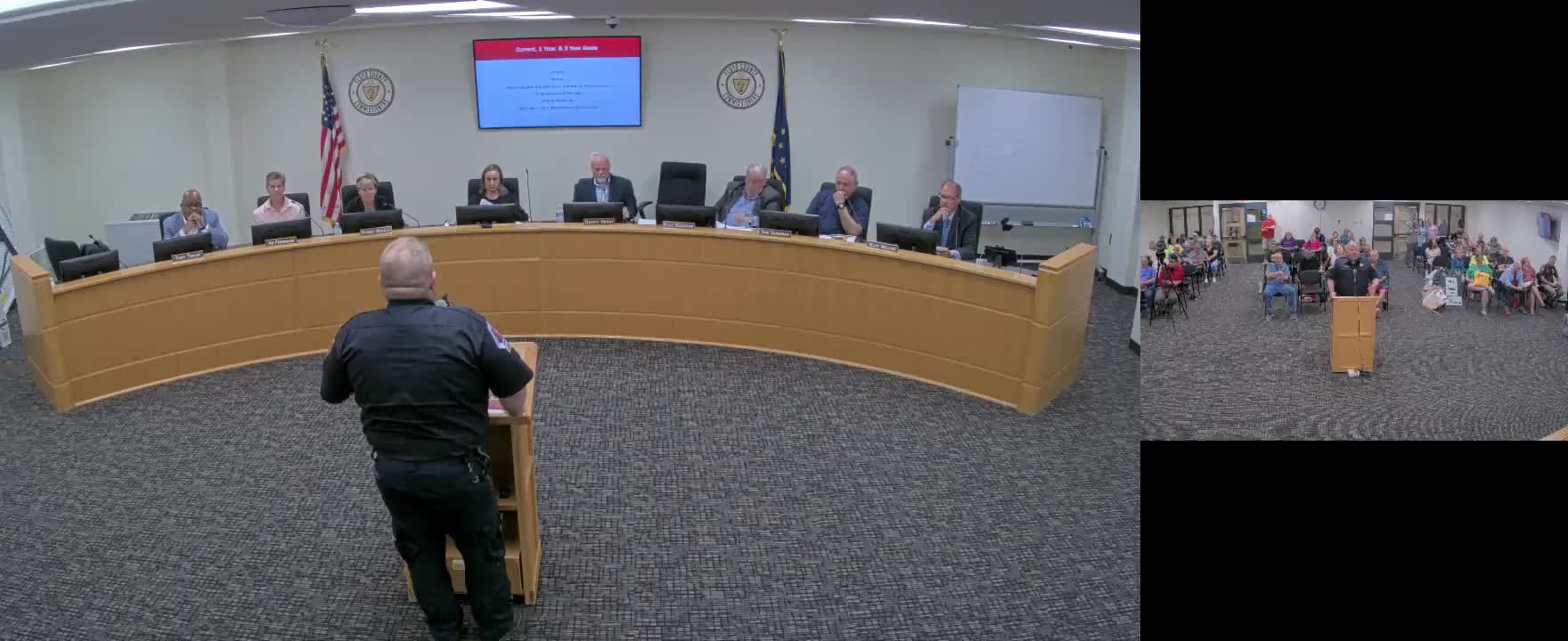
Summary
Highlander Fire presented call volumes, a paramedic stipend plan, billing changes and a proposed mobile integrated health program; the department expects increased EMS demand and is adding an ambulance in December.
Highlander Fire Protection District officials told the council they are seeing rising EMS call volumes, have implemented pay incentives to retain advanced staff and plan a pilot mobile integrated health (community paramedicine) program to reduce hospital readmissions and nonemergency 911 use.
Captain Keith Young, speaking for Highlander Fire, said the department handled 137 calls in June and that roughly 83% of calls are EMS related. Based on current trends, Young said the district is on track for about 1,400 EMS calls in 2025.
To retain and develop advanced clinicians the department implemented stipends effective July 1: $5,000 annually for advanced EMT certification and $12,000 for paramedic certification, Young said. The department also changed its billing vendor to MedBill (effective May 27) and projects about $595,000 in annual reimbursement from insurance billing; Young said, if every run were fully reimbursed, gross charges could reach about $1.6 million though actual collections will be substantially lower.
Young described the planned mobile integrated health program — a community paramedicine model coordinated with local hospitals and partner agencies — intended to reduce readmissions, lower nonemergency 911 calls and provide proactive wellness checks in rural areas of the county. Initially the program would run with one or two staff including Young, expanding if funding and staffing allow.
The department expects delivery of a third ambulance in December; officials plan to rotate equipment and dispose of older vehicles. Young provided a summary of outstanding debt tied to station renovation and apparatus purchases: a station renovation bond of roughly $659,673 (4.42% interest, matures 2032), a 2003 engine balance of about $369,647 (2.18% interest, matures 2032) and a balance on a newer apparatus of approximately $870,441 (4.94% interest, matures 2039). He said one ladder/quad apparatus is currently oversized for some county roads and is being offered for resale through brokers.
Council members asked about staffing, the potential to provide county‑wide coverage and whether the mobile health pilot requires new hires. Young said the department is staffing toward dual‑certified personnel (fire and EMS) and that the mobile health program would start with one or two personnel drawn from existing staff and expand as funding allows. He said the department sought to avoid pulling people from engines to staff ambulances and is pursuing staffing levels that would allow separate coverage for engines and ambulances.
Young said the department will continue to seek interagency cooperation and grant funding before expanding the mobile integrated health program.