Get Full Government Meeting Transcripts, Videos, & Alerts Forever!
Get email alerts on the Personnel Discipline topic
No spam. Unsubscribe anytime.
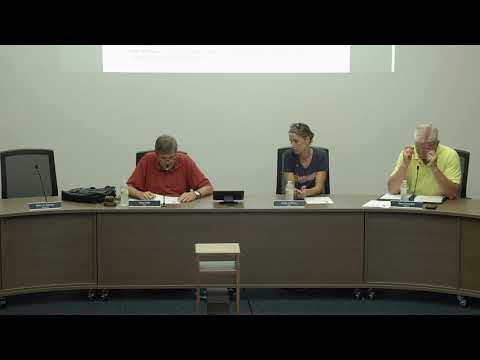
Governing body moves into closed session under Minnesota statute; HR director reads proposed disciplinary action
Summary
An unidentified governing body moved into a closed session under Minnesota Statutes section 13D.05, subdivision 2(b) to consider preliminary allegations against an individual, and HR Director Mazza read a proposed disciplinary action calling for a five-day unpaid suspension, a letter of reprimand with an improvement plan and removal of a mobile sign-in.
An unidentified governing body moved into a closed session under Minnesota Statutes section 13D.05, subdivision 2(b) to consider preliminary allegations against an individual, and HR Director Mazza read a proposed disciplinary action calling for a five-day unpaid suspension, a letter of reprimand with an improvement plan and removal of a mobile sign-in.
The closed-session authority was invoked by the presiding officer, who cited "Minnesota Statutes section 13D.05, subdivision 2(b)" before asking for a motion to go into closed session. The presiding officer then said, "Motion carries. We will go into closed session." The statute allows public bodies to meet privately for preliminary consideration of allegations or charges against an individual subject to the body's authority.
HR Director Mazza read the text of a resolution that, as presented in the meeting transcript, would impose a five-day unpaid suspension, a letter of reprimand accompanied by an improvement plan and removal of a mobile sign-in for the employee. Following the reading, a motion "to accept the disciplinary action, as read by HR Director Mazza" was made and seconded during the open meeting that followed the closed session. The transcript does not record a vote tally or the formal outcome of that motion.
Discussion in the recorded excerpt focused on invoking the statutory exception to hold confidential preliminary consideration; the transcript contains no further debate or detailed findings about the allegations, no vote totals, and no timeline for implementing the proposed personnel measures. The meeting record supplied here does not identify the employee, the department involved, or whether the disciplinary action would be subject to appeal or additional administrative review.
Because the transcript shows only the motion, a second and the reading of the proposed discipline, this article does not describe any final action beyond the motion and second; the official vote or administrative follow-up is "not specified" in the available record.