Get Full Government Meeting Transcripts, Videos, & Alerts Forever!
Get email alerts on the Facility Maintenance topic
No spam. Unsubscribe anytime.
City staff seek $832,000 to seal West Palm Beach City Hall after repeated leaks
Summary
City staff told the West Palm Beach City Commission that an engineering report recommends targeted sealing and repairs at City Hall at an estimated cost of $832,000 to stop recurring leaks and avoid greater maintenance and productivity losses; commissioners discussed using discretionary unassigned fund balance but made no final decision.
City staff told the West Palm Beach City Commission on July 7 that an engineering study recommends targeted sealing and repairs at City Hall at an estimated cost of $832,000 to stop recurring interior leaks that have disrupted operations.
The recommended work, presented by Mr. Guzman, would remove deteriorated caulking, repair and level stone, reseal window and metal junctions and apply water repellent so the structure “could last anywhere from 15 to 20 years to be leak proof,” Guzman said, citing the engineering firm’s findings.
The work matters because the leaks have affected multiple departments and triggered frequent facilities work orders. Guzman said the facilities team logged 30 work orders tied to leakage from August 2018 through December 2020, and that heavy rainfall causes service calls that can force staff from offices while areas are dried and sanitized.
According to the presentation, City Hall’s roof is still under warranty and is certified every two years; mold tests were largely negative but Penicillium was found in one second-floor administration area and sanitized by an outside vendor. The engineering report found numerous contact points — cement, stone and metal junctions around windows and conduits — where sealant has prematurely failed. The engineering firm provided scope and will assist in solicitation evaluation if the commission moves forward.
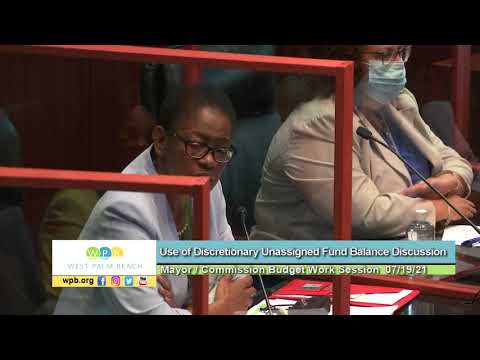
Administrator Johnson placed the cost request in the budget context: the commission’s fund-balance update earlier in the meeting showed required emergency reserves and a required minimum unassigned fund balance, leaving a discretionary unassigned fund balance that staff estimated would be reduced if the commission approves two capital items discussed that day. Johnson urged the commission to defer any final call on using the remaining discretionary balance until year-end results are clearer, noting overtime and other fiscal pressures could require using those dollars.
Commissioner Shoaff said she supported doing one-time capital outlays to avoid recurring remediation and lost productivity, calling it “really smart of us to try to get ahead of this, seal up, get watertight, and avoid those ongoing disruptions and and expenses.” Several commissioners asked that building maintenance be budgeted as an ongoing priority in future years so the city does not repeatedly face large one-time bills.
No formal motion or vote on the $832,000 sealing project was recorded in the meeting transcript; commissioners discussed the request and the fund-balance implications and asked staff to return with further budget details.
If the commission authorizes the work and bids come in near the engineering estimate, staff said the solicitation will determine the final cost; the engineering estimate of $832,000 was presented as the planning-level figure.
Remaining background: staff said commercial sealants typically last 15–20 years but the City Hall sealants appear to have failed prematurely; staff warned that deferring comprehensive sealing risks higher maintenance costs, damage to carpet and finishes, possible electrical/wall damage, and increased potential for microbial growth. The engineering firm recommended a complete targeted sealing program across identified contact points.
For next steps, staff indicated they will prepare solicitation documents, incorporate the engineering scope in bid packages and return with final cost details and timing if the commission chooses to fund the work.