Get Full Government Meeting Transcripts, Videos, & Alerts Forever!
Get email alerts on the Eviction Diversion topic
No spam. Unsubscribe anytime.
CRHA reports early gains but rising demand in eviction diversion program
Summary
CRHA staff reported operational progress in a new eviction diversion program — including training, referrals and paused evictions — but said funding limits, high numbers of delinquent accounts and social-service gaps are constraining results.
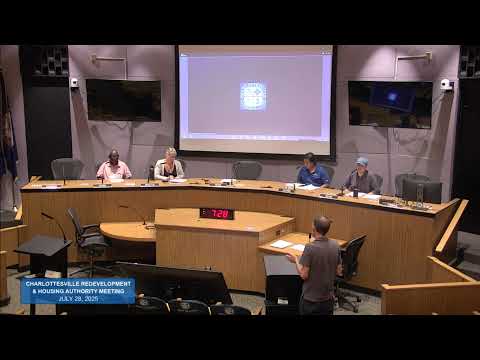
Commissioner meeting of the CRHA heard on Monday that the agency’s newly expanded eviction diversion program has produced early casework wins but faces persistent funding and service-capacity gaps that limit its scale. Kathleen, resident services director, told the board the agency received 11 referrals for nonpayment last month and expects referrals to roughly double by the end of the current month as staff begin referring families as soon as they fall “out of good standing.” She said the agency collected about $15,000 in one recent month and “stopped at least 2 to 3 evictions that had sheriff dates for lockouts” in recent weeks. The program, she said, aims to pair repayment agreements with individualized supports — for example referrals to the ROSS (Resident Opportunity and Self-Sufficiency) program and Family Self-Sufficiency (FSS) — and to keep tenants on site while they complete services. “We’re building a protocol for how to proceed once they make a referral, receive the referral, following up on the referral,” she said. Why it matters: CRHA’s tenant account receivables (TARs) are a key HUD performance metric. Staff told the board high TARs have kept the agency from a “high performer” HUD rating that would boost capital funding; staff said CRHA’s TAR percentage is about 15%, well above HUD’s preferred 2.5–3% range. What staff said about barriers and resources - Kathleen attributed most eviction-related cases to three recurring problems: mental-health challenges, substance use, and elder/financial abuse. “When someone doesn’t pay their rent, the money went somewhere else,” she said, adding that some tenants lack literacy or regular, reliable supports. - Staff emphasized that rental assistance funding is limited. Kathleen said city-provided rental-assistance funding this year was near $18,000, a “small fraction” of past allocations that sometimes reached about $250,000. That drop, staff said, forces intensive casework for small amounts and constrains long-term solutions. - Operational changes: the agency now asks families to sign an authorization at move-in to allow referral to diversion services and is using a new Family Metrics case-management system to track cases. Staff said they created a confidential tracker with limited viewing access because the list includes people not only with past-due rent but also those with housekeeping or safety concerns. Services and partnerships - ROSS and FSS staff are actively handling referrals; staff reported several challenging cases were resolved after intensive assistance including rides to appointments and frequent meetings. - CRHA is building MOUs with local providers, adding a clinical social worker from Region 10 on site for outreach, expanding services at the Creston Hall Clinic, and working with United Way’s Lyft program to address transportation barriers. Limits and next steps - Staff said many outside agencies have exhausted rental-assistance funds or impose eligibility rules (for example caps on lifetime assistance) that prevent help for some households. - Next steps include immediate referral of all families once they fall out of good standing, an expansion of aftercare and education programs tied to repayment plans, and seeking more stable rental-assistance funding potentially through grants or a proposed nonprofit entity. Discussion vs. decision Board members asked for more data and for clarification of resource needs. Commissioners encouraged staff to pursue grants and outside partnerships; no new funding was approved at this meeting. Ending Staff asked the board to consider supporting increased funding and partnerships and to review monthly data as the program scales. The board scheduled continued updates and will discuss budget and partnership options at future meetings.