Get Full Government Meeting Transcripts, Videos, & Alerts Forever!
Get email alerts on the Housing Affordability topic
No spam. Unsubscribe anytime.
Apartment manager warns Spokane housing inventory figures understate shortage, urges action
Summary
A local apartment manager told the Spokane Plan Commission the city's land-capacity analysis overstates developable land and does not reflect market realities, arguing that the result is reduced homeownership opportunity and rising overcrowding in rental units.
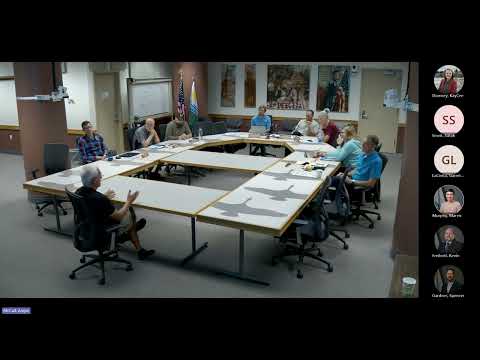
An apartment manager told the Spokane Plan Commission on July 23 that Spokane’s official land‑capacity estimates far overstate the amount of land likely to redevelop and that the gap has contributed to rising housing costs and crowded rental units.
The comment came from Jim Frank, who identified himself during the public‑comment period and said he manages apartments in Spokane. “When I bought my first house, the relationship from median income to a median income home was approximately 1 to 1. Today, that ratio is 5 to 1,” Frank said, summarizing how home prices have outpaced wages. He added that “30% of the apartments that we manage are occupied by more than 1 household.”
Frank said Spokane’s land‑capacity analysis — a technical inventory the city uses to project 20 years of housing supply — assumes many single‑family parcels zoned for multifamily development are “redevelopable,” even where high improvement values and established homes make redevelopment unlikely. He said other jurisdictions apply filters to exclude parcels where the building value greatly exceeds land value; that approach reduces counted capacity and, he argued, better reflects market realities.
Why it matters: If the land‑capacity analysis overstates likely developable land, Frank said, the city’s planning and policy decisions may underestimate the scale of interventions needed to expand housing opportunity for low‑ and middle‑income households.
City staff responded briefly during the question period that the land‑capacity analysis follows a prescriptive state process and Commerce guidance, and that the commission will consider capacity and displacement tradeoffs in the comprehensive‑plan update. Frank suggested publicly available, parcel‑level analysis and said small infill and nonprofit builders repeatedly report difficulty finding affordable land.
Ending: The Plan Commission closed public comment and moved on to its agenda. City staff later presented a separate racially disparate impacts and displacement‑risk briefing (covered in a separate article) that will inform the comprehensive‑plan update and related policy work.