Get Full Government Meeting Transcripts, Videos, & Alerts Forever!
Get email alerts on the Municipal Operations topic
No spam. Unsubscribe anytime.
Midyear review: Roswell officials report progress on KPIs, recruiting and finances at July 29 committee meeting
Summary
City executives told council they have baselined many key performance indicators, hired key finance and HR leaders, seen midyear budget performance better than plan, and are integrating operations, staffing and financial forecasting ahead of the 2026 budget process.
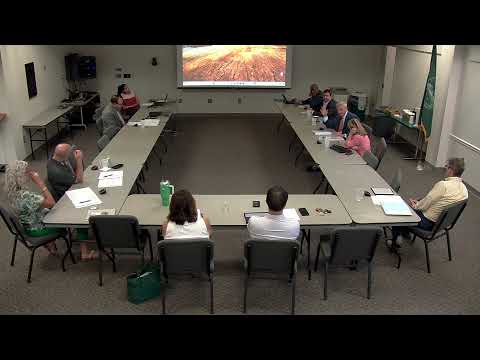
City administrators reported steady midyear progress on July 29 as Roswell staff presented the second quarter management review, telling mayor and council the organization has closed many KPI gaps, added senior finance and human resources leaders and is tightening financial forecasts.
Chief Administrative Officer Randy Knighton said monthly business reviews and new key performance indicators are strengthening decision‑making and operational oversight. "The developments of key performance indicators...allow us to validate those areas in which we excel," Knighton said.
Chief Operating Officer Don Stevens said the city is making steady progress but acknowledged ongoing work to deepen KPI coverage and follow up on corrective actions. "I feel like we're about 4 inches deep and a mile wide," Stevens said, describing progress on measurement and the need to go deeper in selected areas.
Finance and hiring updates: Chief Financial Officer Bill Godshall reported that, for the six‑month period, revenues were about $1.6 million ahead on property taxes and $0.5 million ahead on sales taxes; overall the city was approximately $2.8 million ahead of budget year to date on an unaudited basis. Godshall said salary and benefits were about $600,000 better than budget and total expenditure savings put the net position ahead for the period. He cautioned the results were unaudited and that the fiscal‑year conversion to a Dec. 31 year end affects timing of revenue recognition.
Staffing and operations: Stevens and staff described ‘‘targeted recruiting’’ to fill 43 open positions out of roughly 740 authorized roles, with about 20 positions prioritized (three in community development, the rest in public works and transportation). The city also reported transitions of two midyear contracts on July 1: curbside recycling to Waste Pro and station operations to Seagreen Services. Steven Malone and HR director Tricia Redfern (hired this year) were credited with progress in internal service delivery, and Adam Novotny was introduced as deputy director of finance leading FP&A and forecasting functions.
Scorecard and service delivery: Presenters described an operations dashboard with color coding for KPI status and said many metrics are now in place. They flagged slower land‑development permit turnaround tied to three open positions in community development (engineer, planner, arborist) and cited weather‑related delays for mowing and pothole responses. Staff said the stand‑up of resident and business services and an online permitting system are expected to improve responsiveness and data collection.
Next steps: Staff said they will continue to integrate KPI data, staffing and financial forecasting into monthly business reviews and the budget process for 2026. Council members asked for additional balance‑sheet reporting in future presentations.
Evidence: staff presented detailed slides and committed to ongoing quarterly reports; council voted unanimously on routine agenda items that preceded the report and had no objection to staff continuing the quarterly cadence.