
Mayor Kelly backs $1.99 millage recommendation to cover police and fire raises, urges CPI indexing
Get AI-powered insights, summaries, and transcripts
Subscribe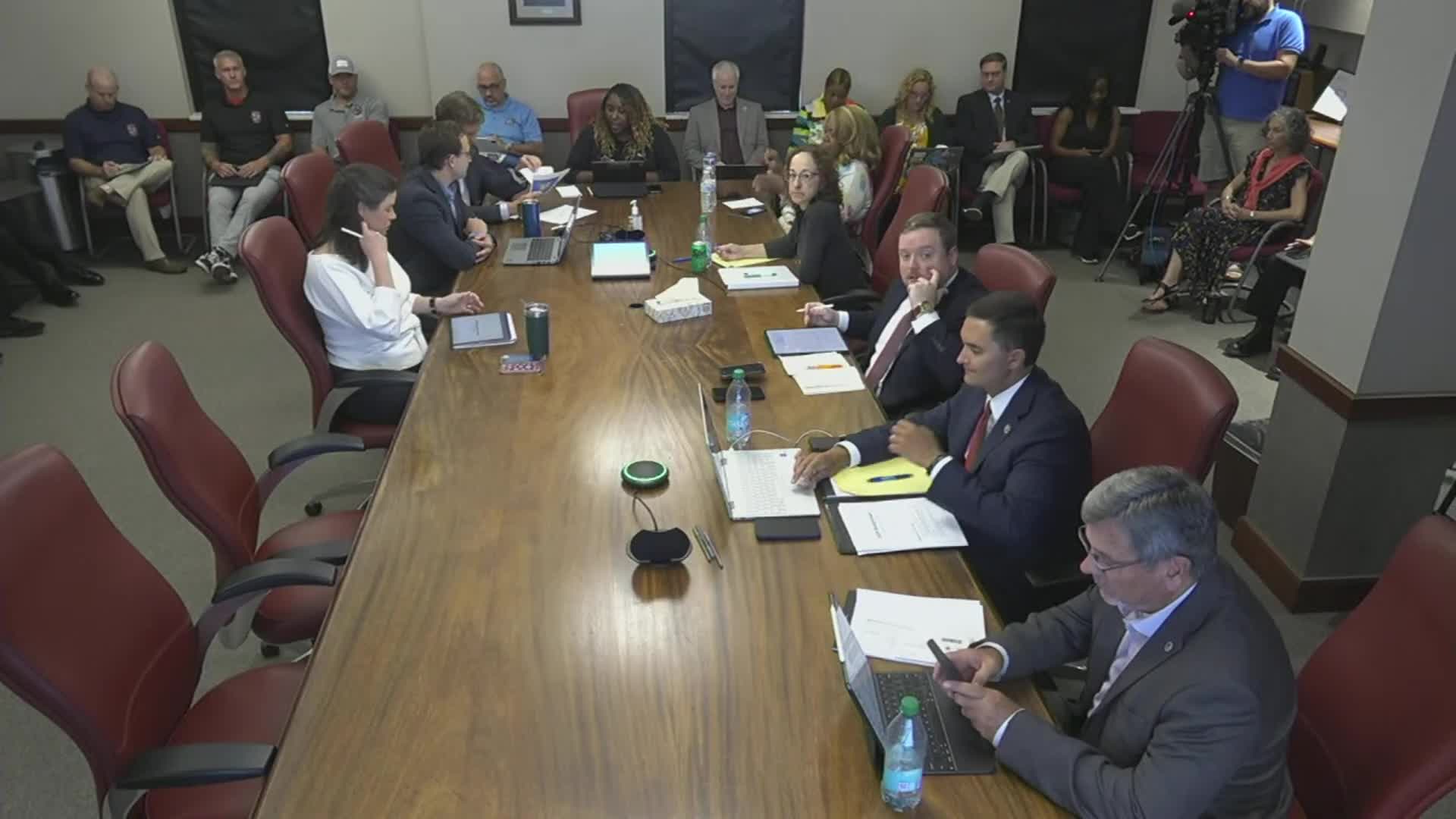
Summary
Mayor Tim Kelly told the Chattanooga City Council at a budget work session that the administration’s recommended certified rate is $1.99 per $100 of assessed value and said the increase would help cover police and fire pay requests and other rising costs.
Mayor Tim Kelly told the Chattanooga City Council at a budget work session that the administration’s recommended certified rate is $1.99 per $100 of assessed value and said the increase would help cover police and fire pay requests and other rising costs. "It's not going to be crippling," Kelly said, adding the rate would amount to about $1.23 per day for the average resident.
The recommendation comes amid unprecedented inflation and rising city costs, the mayor and staff said. Kelly said the city has seen roughly $25 million in cost increases and a 26% jump in certain expense buckets compared with recent years, and he highlighted a large backlog in paving and deferred maintenance as evidence of the need for new revenue. He argued the administration should also pursue a separate ordinance to index the city budget to the Consumer Price Index so future budgets remain in "constant dollars." "We really need to pass an ordinance that will peg the budget to the consumer price index," Kelly said.
Council members across the table signaled agreement that police and fire pay increases are a priority but pressed for more detail about how the proposed revenue would be spent. Councilman Henderson asked whether the $1.99 proposal includes reappropriations or cuts to existing spending; administration staff responded that the current recommendation does not rely on cuts that would reduce services. Henderson also asked for a district-level breakdown showing how the change would affect the top third of properties that rose most in reassessment.
Administration staff provided preliminary allocations and summaries: the council was told the police and fire ask currently under discussion totals about $23 million; staff also described planned spending for fleet replacements (roughly $2.5 million), an expansion of the Chain Breakers program (about $1 million placeholder), and increased investment in paving, sidewalks and deferred maintenance. Finance staff and council members agreed to provide a more detailed mapping that shows exactly which line items would receive the incremental revenue and the multi‑year fiscal impact.
Council members raised equity concerns for homeowners and renters. Councilman Davis emphasized that roughly half of city residents rent and asked whether any rent- or eviction‑prevention funding would be identified. Nicole (housing staff) said the city budget currently includes $500,000 for eviction prevention this year and that officials could model additional rent‑assistance or owner‑occupied rehab options as part of the follow-up work if the council elects to increase the rate. "We allocated half a million dollars this year to eviction prevention," Nicole said.
Some council members urged a larger rate to make Chattanooga competitive for law‑enforcement and fire pay. Councilman Clark argued for a higher 2.25 rate to make pay fully competitive and said, "I will forego my city council salary if we walk away from this table and we do not pay fire and police a living wage." Other members said they want a clear, itemized chart showing the distribution of funds and the estimated impact on households by assessment tier.
Several council members expressed interest in a separate ordinance to index the budget to inflation rather than relying on episodic adjustments. Staff and the mayor indicated they would prepare draft language and modeling for the council to consider after it reaches a decision on the proposed millage rate. Council members also asked the administration to supply: the full HR pay study used for benchmarking, a district-level impact table for different homeowner assessment outcomes, and scenarios projecting the multi‑year cost of any compensation increases (staff noted a model showing a 3% annual cost trajectory was available for review).
No formal vote was taken at the session. Council leaders scheduled an additional budget work session for Tuesday, Aug. 5 at 10:00 a.m. to review requested detail and updated modeling before final action.
Ending: Council members and the mayor agreed to continue the budget dialogue at the follow-up session where staff will present the requested breakdowns, the HR pay study summary, and more detailed modeling for homeowner and renter impacts.