Instructor details hydroponic system pH, EC and initial fertilizer steps for Phoenix site
Summary
An instructor explained target electrical conductivity (EC) and pH ranges, calibration needs, and an initial fertilizer procedure for a hydroponic system, noting Phoenix water hardness and an initial sulfuric acid adjustment.
An instructor outlined steps to prepare and maintain a hydroponic system, including target electrical-conductivity and pH ranges, calibration guidance for meters, and plans to add fertilizer immediately.
The instructor said the system uses two meters and that one is already calibrated: "With the system, we get the we get 2 different meters. 1 is the EC, electrical conductivity." On target conductivity, the instructor said the system should be kept at around "1.5 less than 2 or 1,500 less than 2,000 depending on which scale you're on." On acidity, the instructor advised keeping the pH "between, 5 and a half and 6 and a half. 5.5 to 6.5," adding that specific crops may prefer slightly different ranges.
Why it matters: EC and pH affect nutrient availability and plant health in hydroponic systems; keeping parameters within the ranges above was presented as the way "where the plants like it the best." The instructor warned that Phoenix-area water is hard and "very resistant to change, for the pH and for the fertilizer," and said they would "shock the system with sulfuric acid, just just to get the the pH down so you won't have to use as much of your chemical."
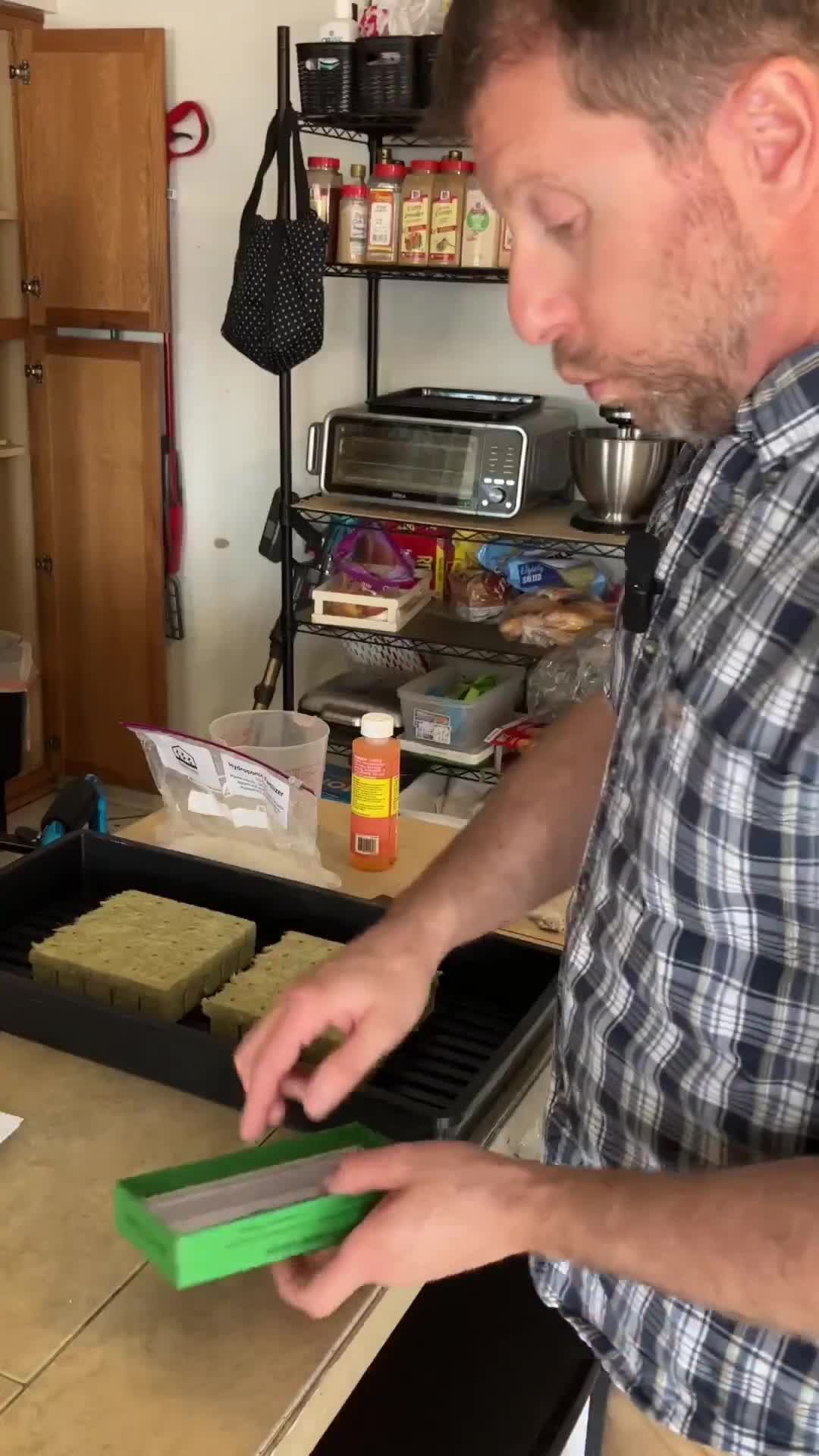
Key details and guidance: The instructor walked through early, hands-on maintenance steps: frequent checks and small adjustments while the system settles, mixing fertilizer in a bucket before adding it to the system, and letting calibration solutions sit briefly before use. On calibration frequency the instructor said calibration is not a one-time step: "You will have to calibrate it again. If it sits for a long time without use, if you use it all the time, yes. You'll you'll have to you'll have to recalibrate it." The instructor also noted there is additional calibration solution in the equipment box and that replacements are available from hydroponic suppliers.
Discussion versus action: The remarks were instructional rather than a formal decision or vote. The instructor stated an operational intention: "Before I go today, I'll mix in the, the fertilizer" and described the intended procedure: "We'll add that to a bucket of water, get it dissolved a little bit, and just dump it into the system." No formal action, motion, or approval was recorded.
Supplies and follow-up: The instructor said standard hydroponic acids and fertilizers are available from multiple vendors and that the initial materials provided are what they recommend: "There's lots of places to buy hydroponic, hydroponic materials... This is just the 1 we provide initially." The instructor emphasized an initial period of closer monitoring until the system stabilizes.
Ending: The instructor summarized the practical checklist: maintain EC roughly in the 1.5–2 range (or 1,500–2,000 on the alternate scale), keep pH between 5.5 and 6.5, calibrate meters periodically, and expect extra effort during the initial setup phase.