Get Full Government Meeting Transcripts, Videos, & Alerts Forever!
Get email alerts on the Special Events topic
No spam. Unsubscribe anytime.
Downtown Green Bay pushes back on recurring special‑event fees in proposed 2026 schedule
Summary
Downtown Green Bay Incorporated told the Finance Committee that a new recurring‑event fee structure in the proposed 2026 fee schedule would dramatically raise costs for nonprofit event series such as the farmers market, and urged staff to revisit the proposal and consult event organizers.
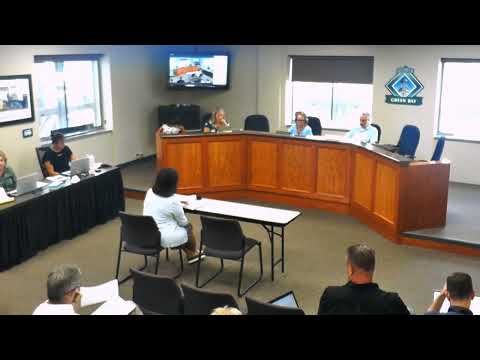
Downtown Green Bay Incorporated told the Finance Committee on July 29 that a newly drafted recurring‑event fee in the City of Green Bay’s proposed 2026 fee schedule would sharply increase costs for multi‑week events and could jeopardize ongoing nonprofit programming.
Jen Metcalf, executive director of Downtown Green Bay Incorporated, told the committee her organization runs roughly 50 event dates this year and that the recurring‑event charge as drafted would shift what had been a one‑time application charge into a per‑date cost. “When we would apply for that special event permit, it would be x dollars. And in this case, I think it’s gonna be 175 or 200 depending on whether that’s a medium or large. That application fee was one time. And this year for the first time when we received our bill this year, it was per week,” Metcalf said during public comment.
Metcalf said applying the draft sliding scale to the Saturday Farmers Market — which runs roughly 23 weeks — would add more than $2,400 under the draft structure she calculated and could push Downtown Green Bay’s total event expenses by more than $4,000, on top of police, barricade and parks costs already paid by organizers.
Staff and committee members said the city’s intent was to equalize the permitting and enforcement costs associated with closing streets and reserving parks, and cited prior inconsistency in how special‑event fees were assessed. Clerk Jeffreys and other staff said some events historically had not been billed consistently and that the proposed rewrite is intended to standardize charges and capture the city costs for police support, public works, barricades and other services.
City staff explained the draft’s sliding scale gives discounts for repeat events: the first through fourth occurrences billed at full rate, events five through 10 billed at 75 percent of the fee, and events 11 and beyond billed at 50 percent. Metcalf said even with discounts, moving from a one‑time application to a per‑date billing structure substantially raised the nonprofit’s expected budgetary burden and asked the committee to reconsider.
Committee members asked staff to convene affected event organizers for in‑person review of the draft special‑events ordinance and fee structure. “I would just encourage us to do sort of an in‑person invitation to review it,” a committee member said, and staff agreed to invite organizers and gather input as the ordinance is finalized. The special‑events rewrite is a separate, larger ordinance project staff said has been under development for roughly a year and will return to committee and council for review.
No final fee decision on special events was taken July 29; the committee later held the overall fee schedule for further staff work and asked that organizers be consulted before the ordinance and fee language is finalized.