Get Full Government Meeting Transcripts, Videos, & Alerts Forever!
Get email alerts on the Personnel Compensation topic
No spam. Unsubscribe anytime.
Henry County leaders weigh moving employee pay toward midpoint of market
Summary
County elected officials and staff discussed raising wages toward market midpoints, and debated whether to fund raises at midpoint, 97% or a smaller increase. The meeting left a tentative preference for moving toward midpoint, with follow-up work requested from finance staff.
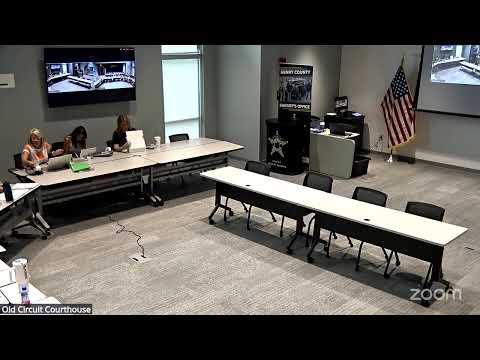
County officials spent significant portions of an Aug. 1 budget workshop discussing changes to the county pay plan and where to set raises for 2026. Commissioners and finance staff reviewed Wagner & Shealy pay-study results and three options: modest across‑the‑board raises, 97% of midpoint, or full midpoint market adjustments.
The discussion centered on balancing recruitment and retention needs with the county’s revenue outlook. Commissioners and budget staff agreed the county is currently projecting roughly $1.4 million to $1.6 million in unappropriated (conservative) revenue in the general fund, which shaped the conversation about how large an increase the county could responsibly adopt now.
Officials described the midpoint approach as a way to close an accumulated gap rather than make a single-year windfall. Several commissioners said they favored bringing employees closer to market midpoints rather than only granting small percentage increases that leave many positions below market.
Staff and consultants will produce line‑by‑line figures showing the fiscal impact of each option and return to the board. Commissioners set an additional work session for Aug. 8 to finalize numbers before the council’s August meeting and the September budget adoption timeline.
The workshop did not produce a formal vote; commissioners directed staff to prepare updated budget worksheets and options showing (a) cost to reach midpoint across classifications, (b) cost to reach 97% of midpoint, and (c) phasing scenarios so the board can make a final appropriation decision.
Ending: Commissioners scheduled follow‑up work with the auditor/finance staff to present precise dollar amounts and classification adjustments at an August session, with the goal of a final decision before the council’s September budget adoption.