Get Full Government Meeting Transcripts, Videos, & Alerts Forever!
Get email alerts on the Staffing And Facilities topic
No spam. Unsubscribe anytime.
Union and parents press board on staffing, pay equity, AC and mold concerns in New Haven schools
Summary
Union leaders and staff urged the New Haven Board of Education to address teacher/paraprofessional retention, pay disparities between long-term staff and new hires, building maintenance problems including air conditioning and mold, and delays in retroactive pay for eligible employees.
Union leaders, staff and parent representatives used public comment at the July 28 New Haven Board of Education meeting to press officials on staffing and facility problems, and to seek prompt resolution of retroactive-pay issues.
The nut graf: speakers said the district faces a retention problem — not only hiring — citing 18 new hires and 16 resignations and calling attention to pay compression between new hires and long-term staff, building systems failures (notably air-conditioning and mold), and delays in retroactive-pay processing for paraprofessionals.
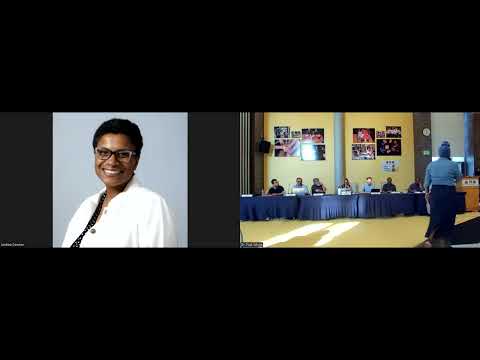
Union representative Leslie Palatso, speaking as a union leader, praised collaborations on mental-health supports and internships but warned the district remains "stuck in a cycle of hires and resignations." She said the personnel report showed 18 new hires and 16 resignations, a net change of two, and argued that the district needs retention measures rather than short-term facility fixes. Palatso noted a contract with contractor Tucker to address AC at 11 schools and urged longer-term capital repairs instead of spending capital funds on short-term fixes.
Natalie Ellis, who identified herself as a staff member at Roberto Clemente in New Haven Public Schools, said she had not received retroactive payment that had been awarded on July 3. "I was employed when that award was granted...I know that I'm entitled to the retro pay," Ellis said, and asked administrators why the payment had not been released. She said HR had indicated the board needed to act before payroll could pay her.
Speakers also raised concerns about the increase in itinerant positions (staff not assigned to a single building), mold remediation needs, and the need for transparency on broadband and capital budgets. Union representatives suggested alternative salary structures intended to preserve funds while boosting retention; they said such proposals had been presented to management and declined.
The board approved the personnel report during the meeting (personnel report, document 1) as part of routine action items; the public record shows votes in favor. The board also approved a contract with Tucker to address AC needs and noted awards for mobile assistive services; speakers urged the board to prioritize preventive maintenance rather than recurring short-term repairs.
Ending: union leaders said they will continue community organizing and urged the board to consider structural salary and facility reforms to retain educators and stabilize schools.