
Community Corrections highlights nine‑week handgun intervention for youth, reports early positive outcomes
Get AI-powered insights, summaries, and transcripts
Subscribe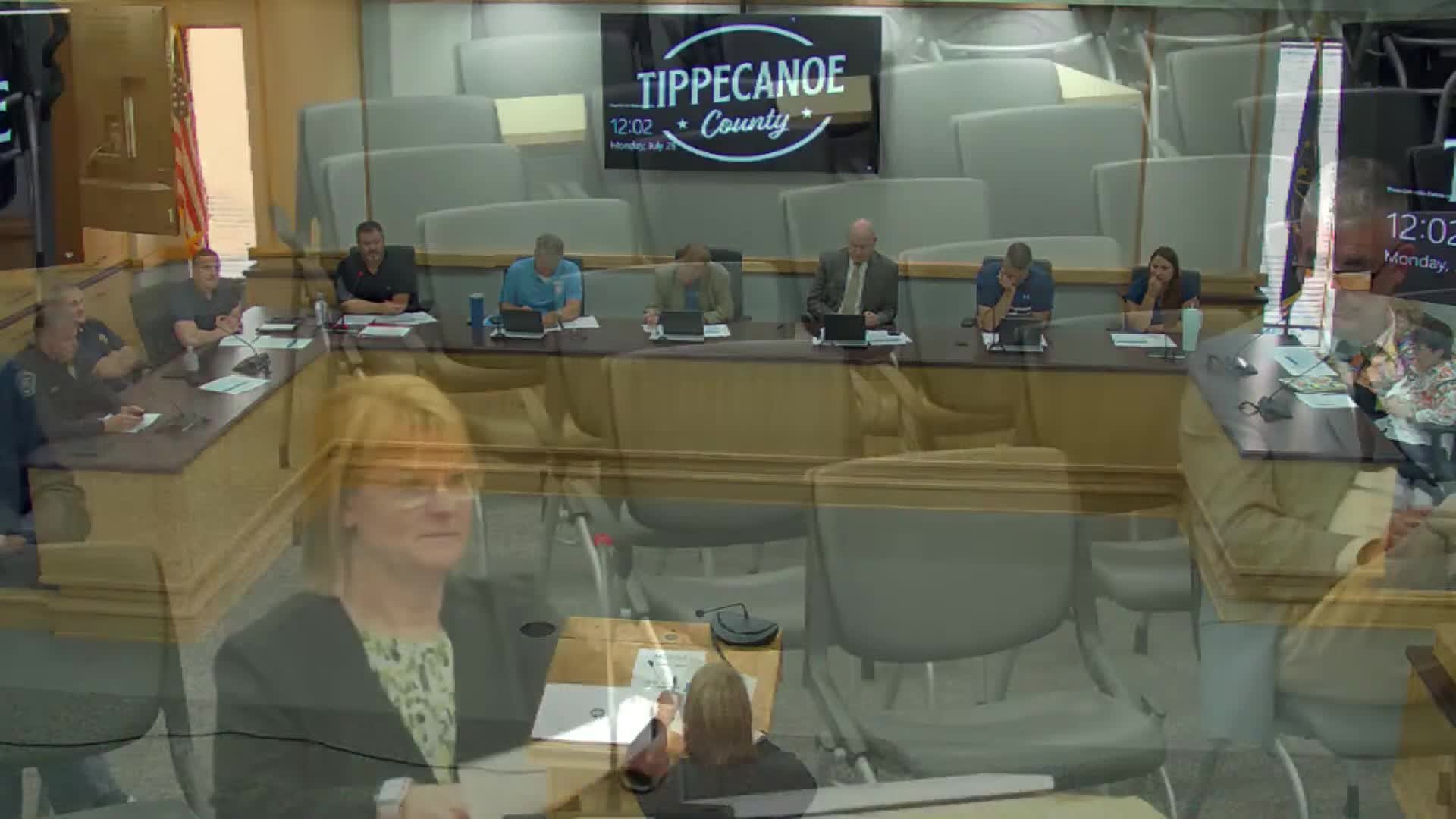
Summary
At its July 28 meeting, the Community Corrections Advisory Board heard a presentation on juvenile services that emphasized a nine‑week, court‑ordered handgun intervention program and two parent‑education courses designed to reduce repeat juvenile involvement in the justice system.
At its July 28 meeting, the Community Corrections Advisory Board heard a presentation on juvenile services that emphasized a nine‑week, court‑ordered handgun intervention program and two parent‑education courses designed to reduce repeat juvenile involvement in the justice system. Rebecca Humphrey, youth services lead, reported early positive results and described program components and partnerships.
The handgun intervention program is a nine‑week session that meets Mondays from 5 p.m. to 7 p.m., Humphrey told the board. "Seventy‑nine percent have not committed a new offense," she said, adding that program participants are tracked until their 18th birthday. She said the program targets youths found in possession of handguns or making gun threats — not youths prosecuted for discharging weapons, who are routed to residential or Department of Corrections placements.
The nut graf: Board members heard that the program mixes education, family engagement and community supports in an effort to interrupt escalation from possession or threats to more serious offenses. Humphrey said the program now includes seven components and will add two additional components that focus on parenting oversight and cognitive behavioral interventions for youth.
Program structure and partners were described in detail. Humphrey said the family first meets a community accountability board — contracted community volunteers who maintain contact between weekly sessions and attend program meetings. Law enforcement officers participate in a panel; Humphrey named "Bridal Lowe from the Sheriff's office," Mark Roberts from LPD and Marcus Slifer from West Lafayette as regular participants. A police official on the panel said, "I've enjoyed it a lot," and promised continued West Lafayette Police Department involvement. Other sessions include a victim speaker who survived an accidental shooting, nursing students from Purdue University who teach CPR and stop‑the‑bleed, conflict resolution and a culminating presentation by the youth.
Humphrey told the board that the parent education programs — Parenting the Teen Brain and The Parent Project — are showing promising results. She said that, to date, "we've had 0 kids who have attended whose parents have attended those 2 projects come back into the system for anything." She said data are being tracked to measure longer‑term outcomes.
Humphrey and another speaker described referral counts: 21 youth had been referred to the handgun program through June 30 with four new referrals more recently. Humphrey acknowledged the program is intended for lower‑level handgun offenses (possession, threats, or discovery during stops) and is not a substitute for secure residential placements for youths charged with use or discharge of firearms.
The program also includes a community accountability element. Humphrey said the board recruits accountability members with lived experience and noted oversight for those volunteers. The final sessions require youth to develop and present a product to the group in order to graduate.
Board members asked about sanctioning and prevention. A probation representative said the program fills a prior gap: for youths arrested for possession with no prior record, there had previously been limited sanction or treatment options beyond short secure confinement, and the new program provides a targeted community treatment alternative.
Humphrey said staff are adding parent‑focused boosters because several reoffenses involved insufficient parental oversight after program completion. She described additional cognitive behavioral interventions for youth as a response to that pattern.
Ending: Board members asked follow‑up questions and thanked Humphrey for the data. No formal action was taken at the meeting; program updates were presented for informational and oversight purposes.