
Cocke County adopts 2025–26 budget, restores $16,000 to property assessor after debate over floodplain duties and staffing
Get AI-powered insights, summaries, and transcripts
Subscribe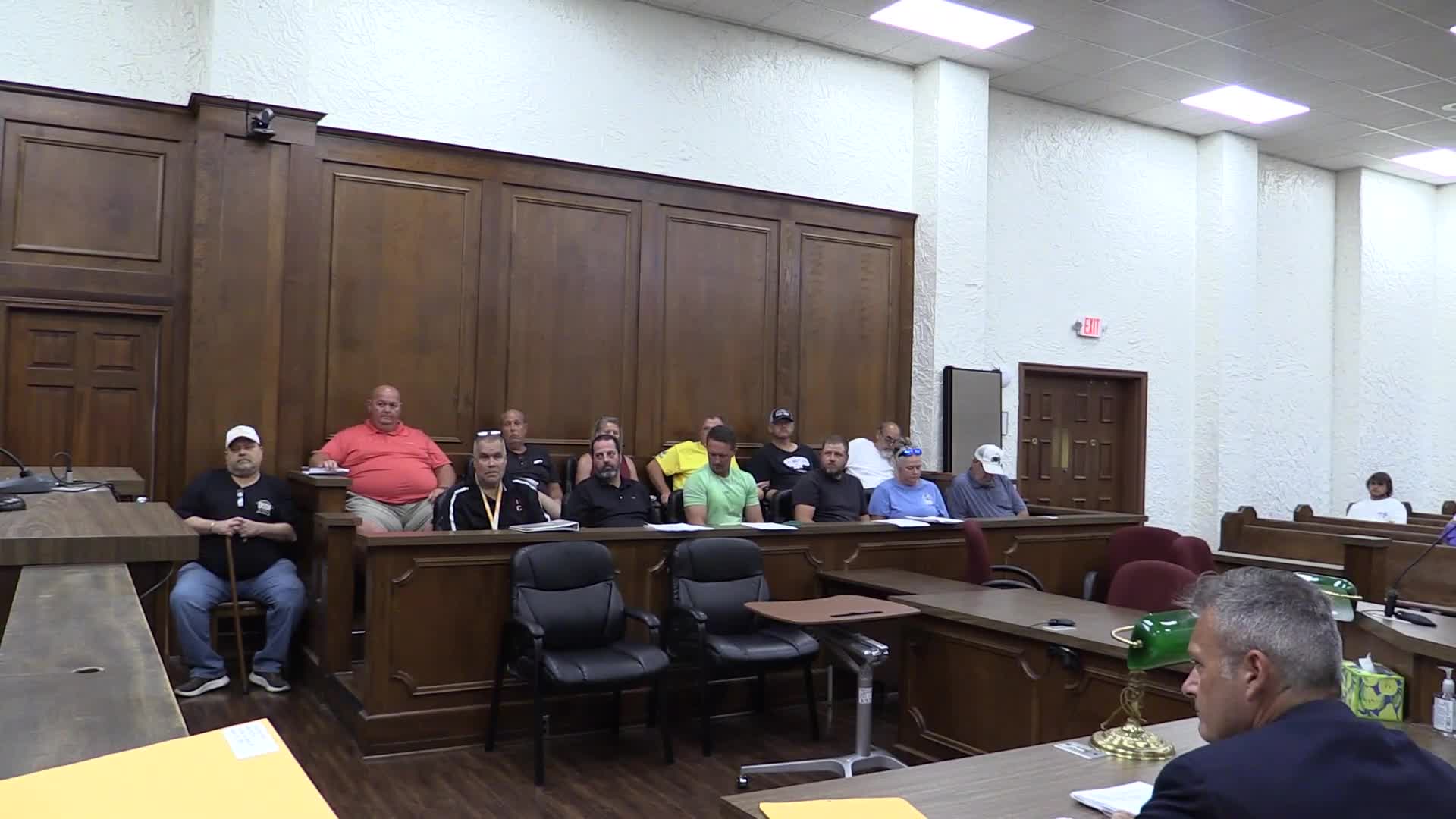
Summary
After debate over a newly created floodplain administrator position and cuts to the property assessor and extension services, the Cocke County Board of Commissioners adopted a $2025–26 budget at the certified tax rate of $1.4993 and voted to return $16,000 to the property assessor’s office.
Cocke County commissioners on Tuesday adopted the fiscal 2025–26 budget and set the county tax rate at $1.4993 while voting to restore $16,000 to the property assessor’s budget that had been earmarked to fund a newly created floodplain administrator position.
The vote followed more than two hours of public comment and commissioner discussion that focused on the budget’s effects on local farmers, a potential loss of a 25‑year University of Tennessee Extension employee, and whether floodplain administration should be removed from the assessor’s office or funded from county reserves.
Why it matters: The budget preserves the certified tax rate below $1.50 and, after an amendment, returns the $16,000 to the assessor’s budget rather than leaving that amount to the new floodplain administrator’s funding line. Commissioners said the decision was made to avoid a tax increase in a county still recovering from recent floods and to preserve services; opponents said the cut would harm an already small assessor’s office and that growing property values risk pricing out longtime residents, including farmers.
County Mayor said the budget committee "has been able to present a balanced budget to the county, which does not raise taxes, [and] has a tax rate below a dollar 50," noting use of federal ARPA-related matching waivers and increased sales and lodging tax receipts helped cover flood-related emergency costs without shifting them to property taxpayers.
Macy Reed, Cocke County property assessor, addressed the commission during public comments and said the proposed budget would "cut my budget by $16,000 due to the creation of the floodplain administrator position." Reed said the reduction would come out of the assessor’s already small operating budget and asked commissioners to restore those funds.
Heather (Finance Director) told the board the county was at the certified tax rate of $1.4993 and that higher revenues from sales and motel taxes helped offset rising departmental expenses. She also explained state law requires periodic salary increases for elected officials, which increases departmental budgets outside the county’s control.
Discussion focused on three linked issues: where responsibility (and funding) for floodplain administration should sit; how to avoid raising property tax rates while covering higher operating costs; and program cuts that could affect staff, including a 25‑year UT Extension employee whose position the meeting record indicated could be cut if the budget remains unchanged.
Commissioners debated whether floodplain administration — which several commissioners described as near a full‑time workload if done correctly — should remain a voluntary duty of the assessor or be a separately funded county position. The county reported it had hired a full‑time floodplain coordinator who started July 1; county officials said they consulted the county attorney before hiring to ensure compliance with state requirements.
Several commissioners and members of the public warned about rapidly rising property values in parts of the county and said high sale prices paid by recent buyers were pushing assessments up in ways that could force multi‑generation farms to sell or make farming unprofitable for younger generations.
Commissioner Gala Blazer moved to add $16,000 back to the assessor’s budget; Commissioner Tracy Stepp seconded the motion. The amendment passed by roll call and the board then approved the amended overall budget and tax rates by roll call.
Votes at a glance: Initial motion to approve the proposed budget as introduced failed on roll call. After the amendment to restore $16,000 to the assessor, the board approved the amended 2025–26 budget and set the county’s certified tax rate at $1.4993 (listed fund-level rates and appropriations were read aloud during the meeting). The final roll call showed an overwhelming majority voting yes; a small minority voted no on the amendment and on earlier versions of the budget.
Budget and fiscal figures referenced in discussion: the certified tax rate set at 1.4993; a prior effective rate referenced in the meeting at $2.56 (reflecting revaluation effects rather than higher revenue); an identified county general fund balance target of $300,000–$400,000 with a reported current fund balance around $382,886; and a requested restoration of $16,000 to the assessor’s operating budget. The sheriff’s department vehicle replacement line was reduced by $300,000 in the package; commissioners said that contributed to preserving fund balance.
Other items discussed and left for follow-up included a possible request to ask the local school district to waive rental fees for county use of a school‑owned building, and the UT Extension staffing concern: several commissioners urged the mayor and finance staff to explore funding options for the extension position and to report back at the next meeting.
The meeting closed with administrative matters and an announced upcoming change in board leadership: the chair said he would not seek the chairmanship again in September and recommended placing an item on the agenda for leadership selection.
Ending: County officials said they plan to reconvene budget follow-ups in August to identify any additional funding sources and to finalize staffing decisions that were left unresolved by the vote.