
King County health officials, advocates urge protections for asylum seekers amid federal Medicaid changes and data sharing concerns
Get AI-powered insights, summaries, and transcripts
Subscribe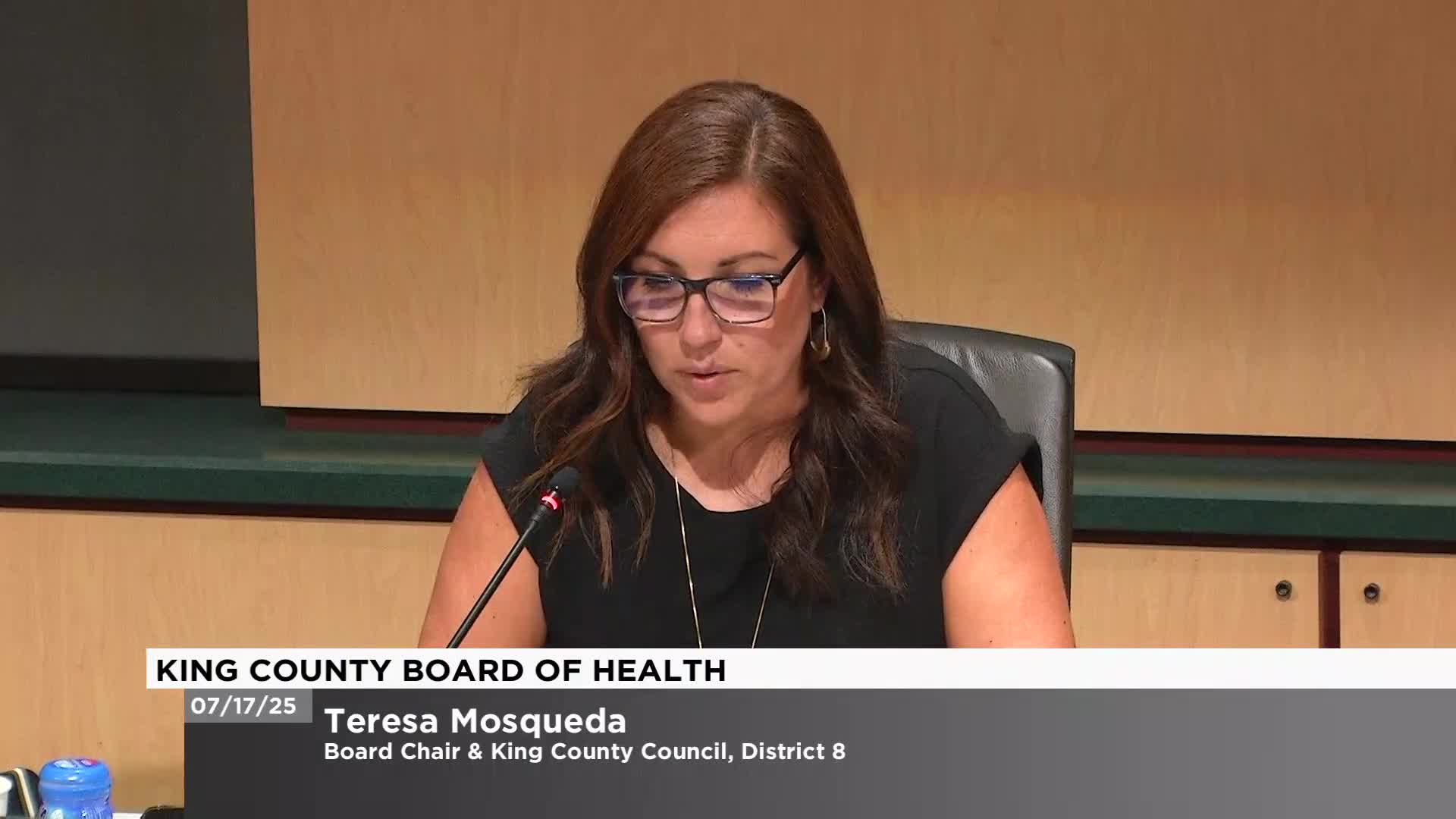
Summary
Boarders of Health briefing and public comment on July 17, 2025 centered on health access for refugees and asylum seekers, with presenters and public commenters urging county action after federal Medicaid cuts and a federal data-sharing incident raised fears about deportation and health-care avoidance.
Director of Public Health Seattle & King County Faisal Khan and community advocates told the King County Board of Health on July 17 that growing federal policy changes and a recent federal data-sharing incident are damaging trust and access to health care for refugees, asylees and other immigrant groups. "We do not cooperate with ICE, nor do we share your data with anyone," Director Faisal Khan said, urging residents not to forego clinical care.
Why it matters: Board members, public commenters and legal advocates said the combined effect of the federal budget reconciliation bill, resulting Medicaid cuts, and the U.S. Centers for Medicare & Medicaid Services (CMS) decision to share certain data with the Department of Homeland Security risks causing many residents to avoid care and could double the number of uninsured people in King County.
The board heard personal testimony from people with lived experience and two community presentations. Sam Soeoka read a statement on behalf of "Dominique," a DACA recipient whose family feared deportation after learning Medicaid information was shared with federal immigration authorities; Lita Kaplan Wilcox read similar remarks on behalf of another DACA recipient. Frances Milangano, executive director of Congolese Integration Network, described listening sessions and listed barriers including housing instability, language gaps, trauma and fear of ICE. Liqi Leong, senior policy advocate at Northwest Health Law Advocates, summarized state and federal policy changes and urged local planning for coverage gaps.
Key details and evidence: Khan told the board Public Health Seattle & King County contracts with the state to provide refugee health screenings, immunizations and one-year follow-up for refugees resettled through the federal program, and that asylum seeker services are provided through local sites such as the Riverton Church. He added public-health navigators enrolled an estimated 40,000 people in 2024. Leong said federal rule changes and the reconciliation bill could strip Medicaid, CHIP and marketplace premium tax-credit access for many lawfully present immigrants beginning in 2026–2027 and noted Washington has sued the federal government over CMS's sharing of Medicaid data with DHS.
Board response and possible next steps: Board members asked how the Board of Health could act; Sam Porter of Council central staff confirmed the board may pass resolutions and rules and may submit policy recommendations to the King County Council. Multiple board members volunteered to help draft a resolution urging protection of immigrant health access and investments in culturally responsive care. No formal board resolution was adopted at the July 17 meeting.
Public comment: Several callers recounted fear and anxiety about deportation tied to the CMS disclosure. Sam asked the board to "directly protect every person whose information may have been leaked to DHS," to ensure ICE cannot access county health facilities and to protect enrollee data. The board encouraged submitters to provide written materials for staff review.
Limitations and unanswered questions: Presenters noted that analyses of the reconciliation bill's full impact are ongoing; specific counts and the final scope of coverage loss were described as estimates and subject to change. The board did not vote on any policy at this meeting and said staff would return with draft language and further information.
What’s next: Board members expressed support for drafting a resolution and for coordinating with county and state advocacy (including King County Council lobbying) before the next legislative session. The board plans follow-up conversations in late August / early September and an item in a future meeting for any recommended action.