Get Full Government Meeting Transcripts, Videos, & Alerts Forever!
Get email alerts on the Façade Grants topic
No spam. Unsubscribe anytime.
Jacksonville Beach CRA discusses tighter rules, quarterly reviews and lower caps for façade grants
Summary
Staff proposed a suite of amendments to the CRA façade grant program for FY 2026: quarterly application batches, eligibility tied to good standing with the city, a 60-day reimbursement deadline, requirement for two vendor quotes, ROI scoring, and consideration of lowering the maximum award from $100,000 to $50,000.
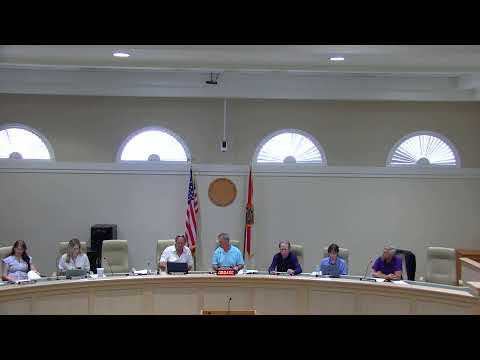
The Jacksonville Beach Community Redevelopment Agency on July 28 discussed proposed changes to its façade grant program intended to increase transparency, speed project completion and spread available funds more broadly. Staff recommended reviewing applications quarterly (January, April, July and October) rather than on an ad hoc basis so the board can compare batches of projects and prioritize awards. Staff said the agency will begin using a new ROI score sheet to quantify and rank applications. Staff also proposed tighter eligibility and reimbursement rules. Applicants would have to be in good standing with the city—no outstanding code-enforcement cases or significant prior permit violations—and provide two vendor quotes for competitive pricing. For projects that require permits, the 60-day reimbursement window would start the date the permit is issued; for projects that do not require permits, staff would start the 60-day clock when the applicant notifies staff and the office sends a certified letter confirming the date. Staff said failure to submit required documentation within 60 days would cancel the grant agreement and forfeit funding. On funding limits, staff noted the façade grant pool in the proposed budget has been reduced from $500,000 to $300,000 for FY 2026. Board member Gary Patow proposed lowering the maximum individual award from $100,000 to $50,000 to “spread the wealth” across more projects. “I’m just gonna throw something out there like 50,000, that that's the max that somebody would receive for a submitted grant because of the funding that we have available this year, which is only 300,000,” Patow said. Board members discussed whether to allow emergency exceptions to a quarterly cadence or to prorate awards when funds are limited. Staff said the grant program is discretionary and the agency could award partial amounts or fund portions of projects if the board chooses; staff flagged the risk that making too many exceptions could undermine the quarterly batch process. Other changes under consideration included requiring project timelines with milestone dates, encouraging applicants to consult with staff before applying, and broadening a scoring item labeled “murals” to “artwork” to encompass public art beyond murals. Staff also said security lighting and camera grants will be considered under a separate program. Staff will draft a revised grant packet incorporating the board’s feedback and return for formal adoption before FY 2026, if possible. The discussion did not produce a formal vote; staff will circulate an updated draft for review and bring a final version to the board in August or September.