Lifetime Citizen Portal Access — AI Briefings, Alerts & Unlimited Follows
State Department rejects U.N. two‑state conference as 'publicity stunt,' defends U.S. humanitarian aid to Gaza
Loading...
Summary
At a State Department briefing, the spokesperson criticized a U.N.-hosted conference on a two‑state solution as counterproductive and described U.S. humanitarian efforts for Gaza, saying the department has announced $30 million to the Gaza Humanitarian Foundation and that more aid is needed while a ceasefire remains the primary goal.
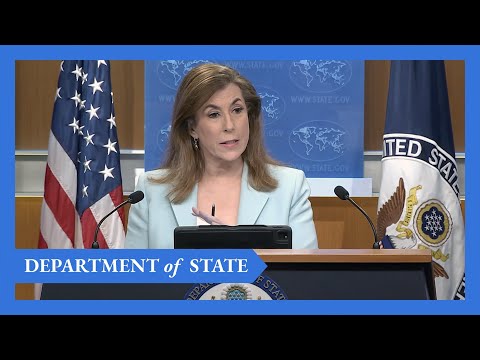
At a State Department briefing, the State Department spokesperson criticized a U.N.-hosted conference on the so‑called two‑state solution as a “publicity stunt” and said the United States “will not participate” in the event, arguing it would prolong the war in Gaza and “reward” Hamas.
The spokesperson said the United States will continue to focus on “serious diplomacy, not stage managed conferences,” and repeated administration priorities: increasing humanitarian assistance, securing a ceasefire and freeing hostages. The spokesperson cited the president’s and Secretary Rubio’s efforts to facilitate food and other aid and said the administration is working to “stop the carnage.”
On humanitarian funding, the spokesperson said the State Department has announced $30 million for the Gaza Humanitarian Foundation (GHF) while acknowledging President Trump has referenced a larger pledge. “From what we, of course, have announced here at the State Department, that's in this particular… I would caution against the suggestion that what State may have done…and what's been announced is a reflection of the complete picture,” the spokesperson said, adding that the White House may have further details.
Reporters pressed the spokesperson on criticisms from aid experts, including an International Panel on Crisis (IPC) finding that some food distributions would require water and fuel to prepare and could risk malnutrition. The spokesperson said the department would “get back to you” on specifics and reiterated that GHF awards remain “subject to strict requirements, vetting, and oversight mechanisms like all department awards.”
The spokesperson also said the GHF and other mechanisms have helped distribute aid in the Gaza area and stated, in reference to previously reported figures, that “we're now I think close to a 100,000,000 meals” have been distributed by GHF. When asked whether the administration wants a specific daily number of trucks allowed into Gaza, the spokesperson declined to provide a target, saying officials focus on “getting more, more food, more access” while making routes safe for deliveries.
On questions about whether U.S. officials were reassessing funding because of images of starving children and media reporting from Gaza, the spokesperson said the administration’s priority is getting more aid into the area and achieving a ceasefire, and that the White House would have announcements on additional aid details.
The briefing distinguished between discussion and decision: the spokesperson described existing and announced U.S. assistance and vetting requirements (discussion/description), deferred some funding accounting questions to the White House (direction to consult the White House), and provided no new, formal changes to U.S. aid policy or additional binding commitments (no formal action recorded at the briefing).
Ending: The spokesperson said more details on additional U.S. aid “will be forthcoming” from the White House and the State Department, and that officials expect to provide updates at future briefings as the situation evolves.