
Lewisburg high school leaders propose ‘out of sight’ cell‑phone policy, warn of stricter ban if problems persist
Get AI-powered insights, summaries, and transcripts
Subscribe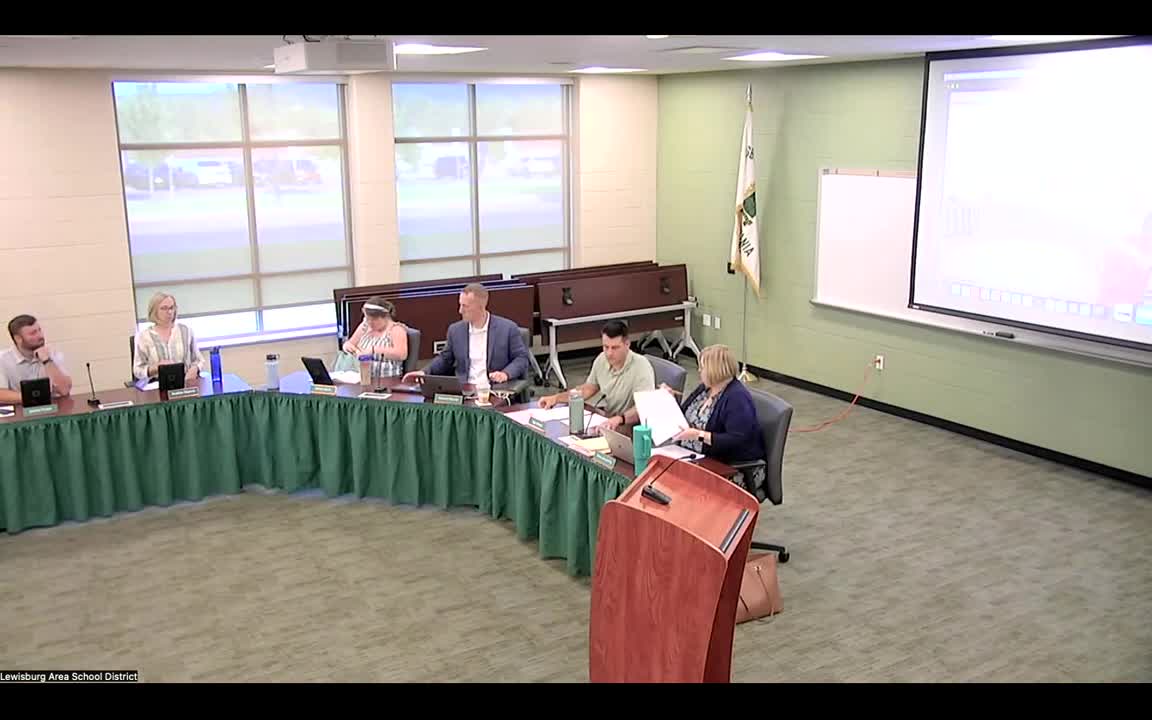
Summary
Administrators presented a tiered cell‑phone procedure for Lewisburg Area High School emphasizing an "out of sight" rule during instruction, tiered consequences for repeat misuse and ongoing data monitoring with the possibility of a full bell‑to‑bell ban if disciplinary referrals do not decline.
Lewisburg Area School District administrators on Tuesday presented a proposed cell‑phone procedure for the high school that would require phones to be kept out of sight during instructional time and establish tiered consequences for repeated misuse.
District staff said the policy is a compromise between the current flexible teacher‑by‑teacher approach and a district‑wide instructional ban. "These slides make it very clear that student cell phone use is a major problem at the high school and that it's time for a meaningful policy change," said Terrence Shea during public comment.
The presentation, led by a school staff member, summarized a March teacher survey showing most teachers view phones as a classroom distraction. The presenter told the board, "Phones are to be kept away during instruction time," and described what that would look like: phones in numbered caddies, laptop bags or otherwise out of sight; devices set to Do Not Disturb or silent; and earbuds restricted during instruction.
Administrators described a tiered enforcement plan. On first classroom infractions teachers will collect or direct students to place phones in a caddy or on the teacher's desk. A second in‑class infraction triggers office notification and retrieval by administrators; the device is returned at the end of the day and, in some cases, kept in the office for three additional school days. A third episode would require a parent or guardian to pick up the device and could include further loss of phone privileges. The presenters emphasized that instances judged to be insubordination would be addressed under separate disciplinary procedures.
District staff said they will monitor disciplinary referrals and enforcement burden and report findings to principals and the board. "We just need to continue to analyze where our cell phone disciplinary data is," the presenter said, noting the district could move to a full instructional ban if the tiered approach fails to reduce disruptions.
Board members and community speakers recommended clarifying language — one parent urged a distinction between "out of sight" and "out of reach" to avoid students keeping phones within easy access. Administrators acknowledged practical enforcement questions, such as whether caddies should be labeled and how to handle pocketed phones, and said they will refine procedures, communicate them at open house and in newsletters, and check referral data weekly or monthly.
The presentation did not include a final policy vote; board members asked staff to proceed with communications to parents and teachers and to report back with disciplinary data and implementation feedback after the start of the school year.
School administrators said they will include the policy rollout in August communications, review enforcement burden with teachers, and revisit the rules if referrals or teacher reports indicate the approach is not reducing instructional disruption.