
Mobile debate over $10 million animal shelter spotlights calls for city-funded spay‑neuter program
Get AI-powered insights, summaries, and transcripts
Subscribe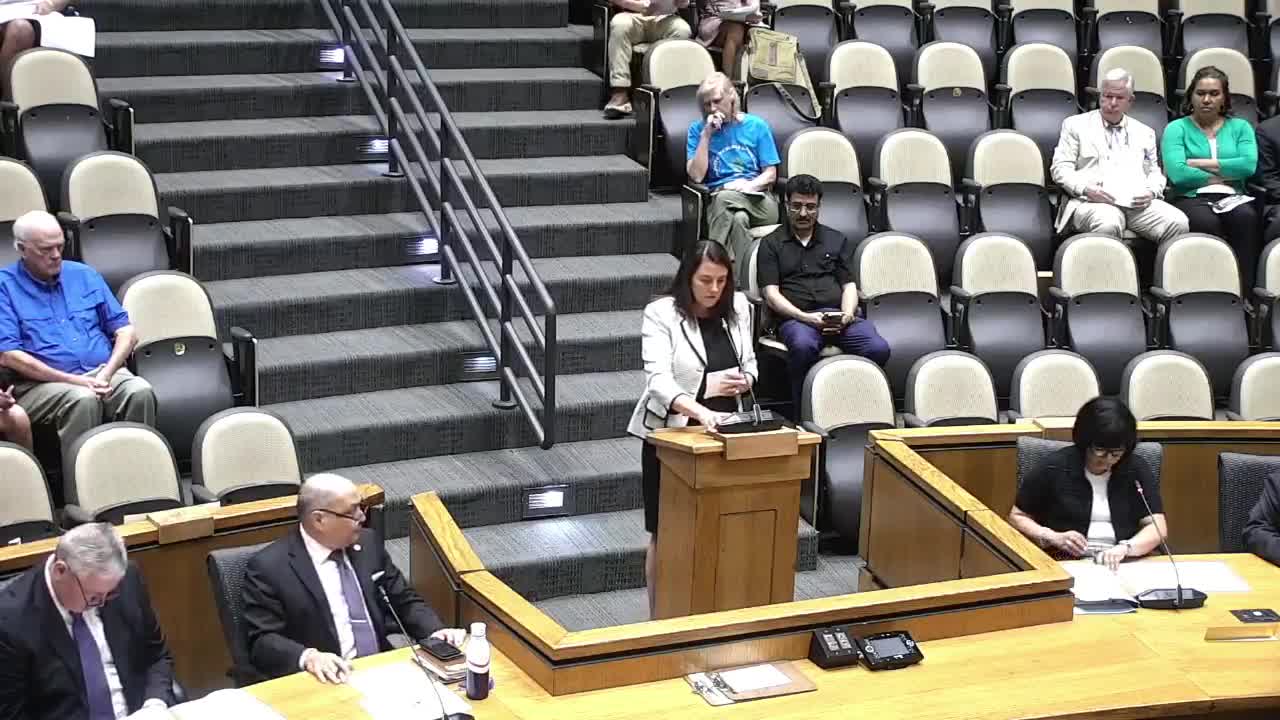
Summary
At the July 29 Mobile City Council meeting, rescue groups and city staff disagreed on whether the cityshould prioritize building a new $10 million animal shelter or set aside operating funds for a low-cost, city-supported spayandneuter prevention program.
At the Mobile City Council meeting on Tuesday, July 29, advocates for animal welfare urged the council and administration to pair the proposed $10 million capital project for a new animal shelter with a sustained, city-funded spay-and-neuter program to reduce shelter intake and taxpayer costs.
Local attorney and rescue volunteer Mallory Mangold told the council the cityhas earmarked $10,000,000 for a new shelter but should reserve some of that money for prevention. "A new building alone does not solve the core problem," Mangold said. She proposed the city set aside a portion of the $10 million for a low-cost spay-and-neuter program, suggesting figures ranging from $300,000 up to $2,300,000 in different scenarios.
Her remarks were echoed by Garrett Williamson of Save A Stray, who said the nonprofitoperates a single mobile clinic that has performed 2,731 surgeries since January 1 and expects to exceed 5,000 for the year. Williamson said those 5,000 surgeries would prevent an estimated 400,000 unwanted dogs and cats over five years, and urged that a built-in, permanent clinic be part of the planned shelter so that every animal leaving the facility could be altered.
Anna Bush, representing Friends of the Mobile Animal Shelter, said the existing shelter is "grossly and horribly inadequate" and argued the capital allocation must not be reduced. "The shelter has got to be built," Bush said, while also supporting spay-and-neuter funding, voucher programs and education to address no-shows and cultural barriers to sterilization.
Robin, a city animal services official, told council members the city currently relies on partner organizations for low-cost and subsidized spay-and-neuter services and does not yet fund such programs from the city's operating budget. "That is something we're looking at down the road as the years progress," Robin said, adding that the current agenda item was for the design contract for the new facility and that operational issues would be addressed during the design process.
Council members pressed on funding sources and budget constraints. Councilman Carroll and others noted capital funds are typically restricted to capital expenditures and cannot be repurposed to pay operating costs. Vice President Gregory said the council would consider smaller operating infusions to begin prevention work and asked advocates to submit models from comparable cities for review.
The meeting record shows no final council vote on diverting capital funds to an operating spay-and-neuter program. The capital project and the design contract were on the agenda; city staff said design work will proceed and operational questions will be taken up in the budgeting process.
Why this matters: Mobile County intake exceeds 7,000 animals annually, and advocates said as many as half originate inside city limits; speakers warned that building a larger facility without a permanent prevention program risks repeated overcrowding and greater long-term taxpayer cost. Advocates and some council members asked that the council and administration consider allocating operating funds in the next budget cycle to support a city-backed prevention program, and to incorporate a permanent clinic into the new facilitydesign.