
Council sends interim park impact fee ordinance to consent; public hearing set for Aug. 19
Get AI-powered insights, summaries, and transcripts
Subscribe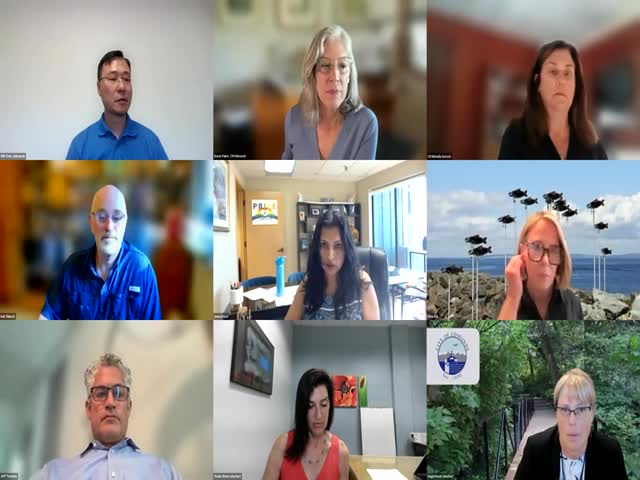
Summary
City staff recommended an interim ordinance to change park impact fees from per-unit to square-foot basis to comply with 2023 RCW changes; council directed minor edits and moved the ordinance to the next consent agenda with a scheduled public hearing.
The Committee of the Whole voted to place an interim ordinance updating the city's park impact fees on the next consent agenda and to hold a public hearing on the proposal Aug. 19. The interim ordinance would shift park impact fee calculations from a per-dwelling-unit model to a square-foot basis to align with 2023 changes to the Revised Code of Washington (RCW).
City Planning Director Fessor told the committee the city currently collects separate impact fees for traffic and parks and that the proposed changes focus on parks, formally called "parks, open space and recreation facilities impact fees." The planning director said the fees fund capacity-building capital projects such as land acquisition and adding lights to athletic fields, and that under state law the city must expend impact fees within 10 years or return them.
Why it matters: The state RCW revision requires residential impact fees to be based on square footage, number of bedrooms or trips generated rather than a flat per-unit charge. Director Fessor and staff said converting to a square-foot fee will make fees more equitable across unit sizes and housing types, and the interim ordinance allows the city to meet the state deadline while staff complete a fee study.
Council members and staff discussed the mechanics and timing of implementation. Jeff Terady, who assisted on the technical analysis, summarized the draft approach: convert existing residential rates to a per-square-foot rate using median unit sizes and adjust for inflation. The draft sets residential park impact fees at $1.35 per square foot and nonresidential fees at $0.97 per square foot. Terady said, "The whole philosophy behind these fees is to have growth pay for growth so that, existing residents aren't having to be taxed extra to fund growth." The draft also reflects the state's 50% cap on impact fees for accessory dwelling units (ADUs) and retains an exemption framework for qualifying low-income housing and early learning centers.
Councilmembers asked for clarifications about effective dates, administrative burden for recording affordability covenants, and whether the city could use an in-house or low-cost consultant to perform the required impact-fee study. Director Fessor said the draft used Oct. 1 as an effective date because that date appeared in the existing code; staff recommended the attorney be given leeway to adjust the effective date after consulting building staff and suggested September 1 could be administratively feasible. Councilmember Vivian moved an amendment directing the city attorney to adjust the effective date after staff conversations; the committee approved the amendment. Councilmember Jenna moved to forward the interim ordinance with the attached work plan to the next consent agenda; the motion was seconded and carried. The committee recorded unanimous support to send the interim ordinance to the consent agenda for formal adoption and to proceed with the Aug. 19 public hearing.
The ordinance draft also proposes that the city continue to allow exemptions for qualifying low-income housing units (the draft conditions the exemption on a recorded covenant) and for early learning centers; staff said the low-income exemption has been used rarely in Edmonds to date but would create some additional administrative tracking if used more frequently. Staff estimated an update to the park impact fee study could cost in the low thousands if the city can use an update approach rather than a full new study, but a full new impact-fee study from scratch could cost tens of thousands.
The committee's action sends the interim ordinance to the council consent agenda for adoption and sets the public hearing for Aug. 19 where staff will present the study scope and final recommended rates.