
Senate votes to repeal archaic statutes including blasphemy, ‘common night walker’ and petite treason
Get AI-powered insights, summaries, and transcripts
Subscribe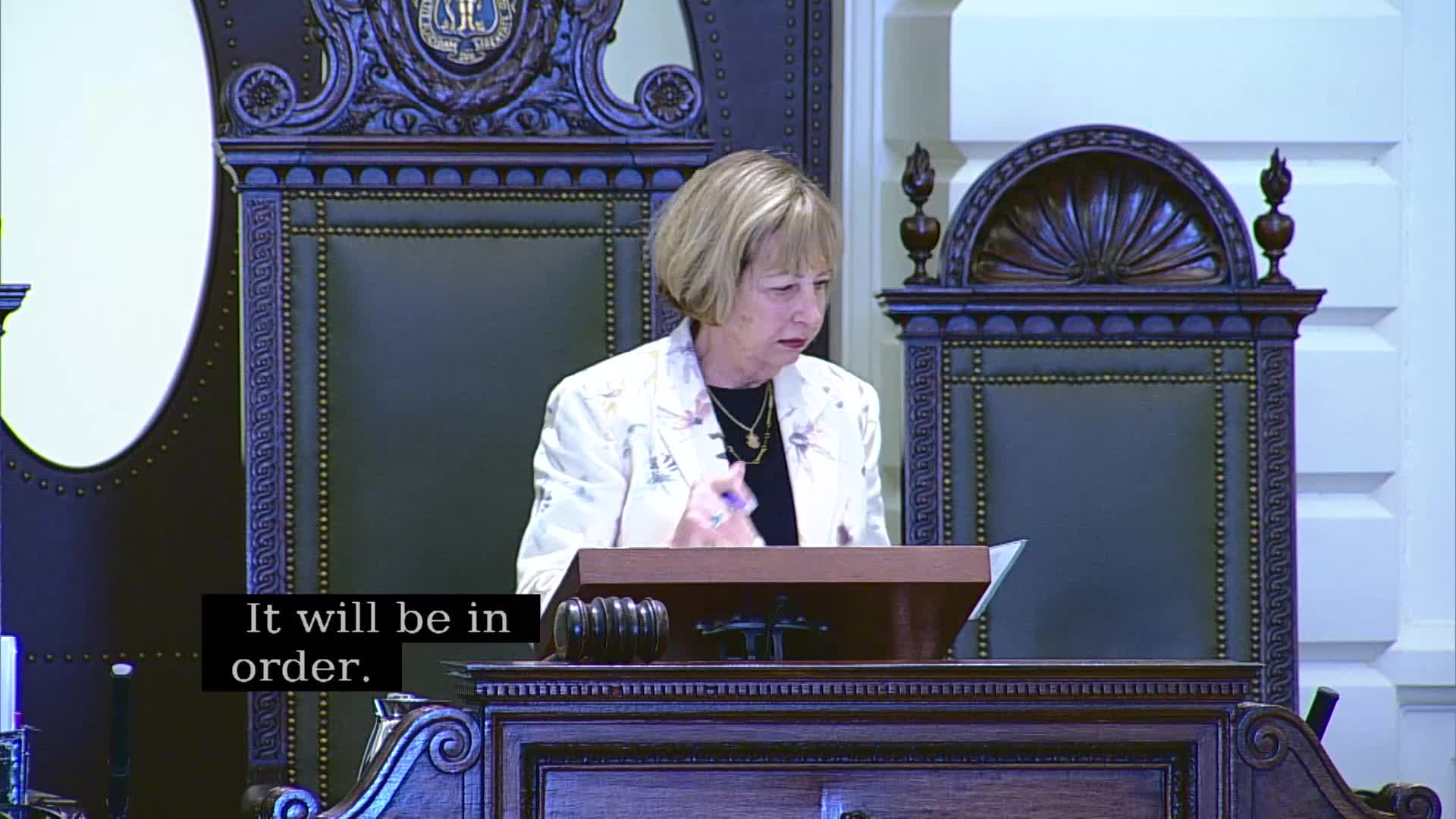
Summary
The Massachusetts Senate advanced a broad measure (S.1034) to repeal archaic and discriminatory statutes — including blasphemy and a ‘common night walker’ provision — and to establish a commission to identify other outmoded laws. The bill passed to be engrossed after floor debate and amendments were adopted.
The Massachusetts Senate voted to advance a bill to remove archaic and discriminatory language from the state statutes and establish an ongoing review commission. Senators described provisions to repeal laws dating back centuries, including statutes criminalizing blasphemy and a provision commonly called the “common night walker” law.
Senator William N. Brownsberger, sponsor of Senate No. 1034, told the chamber the bill “strikes archaic laws” and removes statutes that have been used to stigmatize relationships and target marginalized communities. “These ancient laws are totally inconsistent with the principles which are built into our constitution,” Brownsberger said.
Senator Julian Cyr and Senator Rebecca L. Rausch highlighted how specific provisions have been used discriminatorily. Cyr said the “common night walker” language was frequently weaponized against transgender women and women of color and urged the chamber to remove it from the books. Rausch outlined the long and violent history of prosecution for blasphemy under colonial law and said the current statute’s language is “blatantly unconstitutional.”
The bill includes language to remove the crime of petite treason — a historic offense applied in contexts such as enslaved persons killing enslavers and similarly discriminatory categories — and directs the creation of a permanent commission to identify and recommend repeal of other archaic laws. Senator D. Domenico described historical convictions and punishments tied to petite treason and urged deletion as part of correcting the Commonwealth’s discriminatory legal history.
Floor action included several amendments adding reporting recipients and technical clarifications; one adopted amendment added the Supreme Judicial Court to the list of entities that will receive commission reports. The clerk called the roll on passage to be engrossed; the record shows the vote was unanimous with 40 yeas and 0 nays. Supporters asked that the bill be advanced early in the session to give the other legislative branch time to consider it.
Discussion versus action: senators gave historical context and recounted past prosecutions (discussion). The chamber adopted multiple technical amendments and ordered the bill to a third reading and engrossment (formal action).
The measure moves to final enrollment and transmission to the other legislative chamber. Sponsors and proponents said they expect the change to remove lingering, unconstitutional provisions and to create a mechanism for continuous statutory modernization.