Get Full Government Meeting Transcripts, Videos, & Alerts Forever!
Get email alerts on the Personal Narratives topic
No spam. Unsubscribe anytime.
Stories at Tell Us Something touched on loss, recovery, LGBTQ identity and public health
Summary
Several storytellers at Tell Us Something shared personal narratives about illness, identity, grief and recovery — from a public-health anecdote about testing and treatment to accounts of suicide, relationship loss and reclaiming identity.
Tell Us Something—s evening of short, personal stories included first-person accounts of illness and public-health encounters, struggles with identity and relationships, and experiences of grief and recovery.
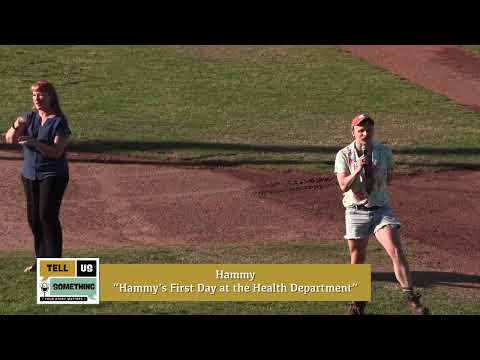
One of the night—s storytellers, Hammy, described moving from Montana to work in public health, an early-day clinic visit and subsequent testing: “I have gonorrhea,” he said when recounting how he told colleagues and received testing and treatment; a later test result was negative. Hammy also described the health department—s clinical response and an initial concern the doctor had about a lesion that prompted full protective equipment, a detail he said led staff to treat him without stigma.
Other storytellers placed loss and recovery at the center of their pieces. Karna Sundby recounted finding a partner dead by suicide and described the grief work and therapy that followed; she said that finding a therapeutic approach (neuro-linguistic programming) helped stop nightmares and enabled her to work with trauma survivors. Avada Being and several other storytellers told stories about LGBTQ identity, intimate relationships and the challenges of returning to or reclaiming life after loss. Katie Van Dorn told a chronicle of repeated surgeries and rehabilitation that led to renewed outdoor activity.
The emcee prefaced the evening—s content by warning audience members that some stories include adult themes and language. Several storytellers said they found community and professional help that aided recovery: Hammy credited public-health staff for compassion during clinical care; Karna identified therapy and a later partner as central to healing; Lauren Tobias described community ties and shared rituals after a lost-and-found episode with a dog.
Organizers framed the program as a community space for acknowledgment and connection, noting both the potential for difficult material and the intent to foster listening and mutual support.