Get Full Government Meeting Transcripts, Videos, & Alerts Forever!
Get email alerts on the Construction Excavation Structural Risk topic
No spam. Unsubscribe anytime.
LPC approves cellar excavation at 118 East 90th Street with enhanced engineering review after neighbors object
Summary
After extensive public testimony from neighbors and preservation groups expressing structural and water‑damage concerns, the commission approved a proposal to excavate a new partial cellar at 118 East 90th Street but required enhanced engineering review and urged ongoing neighbor communication.
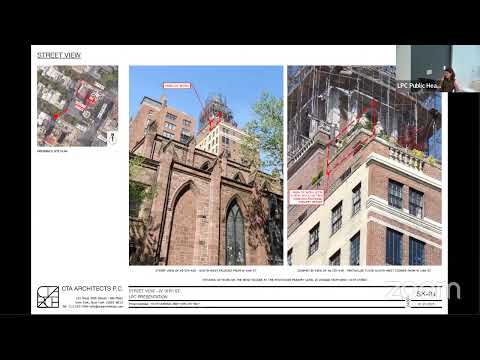
The Landmarks Preservation Commission on July 22 approved an application to excavate a partial cellar at 118 East 90th Street in the expanded Carnegie Hill Historic District, but the approval is conditioned on enhanced engineering review and coordination with the Department of Buildings. The decision followed extended public testimony from multiple neighbors and neighborhood groups who urged denial because of alleged damage from prior excavation and concern about cutting into Manhattan schist. Why it matters: The application raised questions about structural safety, neighbor monitoring and compliance with DOB rules after speakers reported cracking, water intrusion and other damage they attributed to prior excavation work at neighboring properties. Preservation staff explained the proposal would excavate a new floor level within the footprint of the existing building and that the depth of excavation placed the application beyond staff‑level approval triggers, requiring a full commission hearing. Architect Kitt Middleton said the project team had already engaged a geotechnical consultant and an engineer and had performed preconstruction surveys of adjacent properties, vibration monitoring proposals and a soils report showing bedrock. Middleton said the team had performed a small, prior two‑foot excavation and reported no significant findings in preconstruction surveys performed in March. Neighbors and preservation organizations strongly objected. Friends of the Upper East Side said the street’s row of “bedrock houses” was never intended to have cellars and warned of structural and water risks; nearby residents described cracked walls, uneven floors and basement flooding they linked to earlier excavation work. Carnegie Hill Neighbors presented an alternative layout for mechanicals and laundry that would avoid additional cellar excavation and urged denial. Manhattan Community Board 8 recommended denial. Commission discussion focused on risks and the protections the LPC and DOB employ. The chair noted that 14 Gay Street was not comparable because that collapse followed work that violated LPC and DOB approvals, and explained LPC now requires enhanced engineering review for projects involving extensive excavation. Commissioners said they were sympathetic to neighbors’ concerns but that the application fell within the range of excavation the Commission has historically approved when enhanced engineering review and DOB oversight are required. Commissioner Master moved to approve with the explicit condition that the project proceed only after completion of enhanced engineering review; Commissioner Quembe seconded. The vote: 8 in favor, none opposed; Chair Carroll and Commissioners Chen, Goldblum, Ekwuembe, Jefferson, Mahan, Master and Wilder voted aye. The commission approved the application with the condition that enhanced engineering review be completed and any issues it identifies resolved before DOB permits are issued, and encouraged the applicant to continue neighbor outreach and to consider a more efficient layout that might reduce excavation.