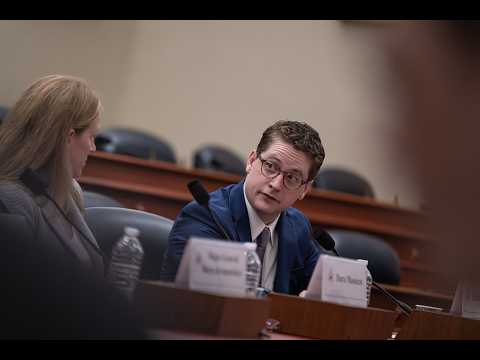
Panelist urges stepped-up U.S. support for Ukraine air defenses and longer-range strikes

Get AI-powered insights, summaries, and transcripts

Subscribe
AI-Generated Content: All content on this page was generated by AI to highlight key points from the meeting. For complete details and context, we recommend watching the full video. so we can fix them.

Summary

A panelist from the think tank FTD urged the U.S. and allies to accelerate transfers of Patriot batteries and other air-defense and strike capabilities, expand funding to scale Ukrainian defence production, and renew sanctions enforcement to squeeze Russia's war economy.

A panelist from the FTD think tank urged U.S. and allied governments to accelerate transfers of Patriot air-defense batteries and provide additional munitions, longer-range strike weapons and funding to scale Ukrainian defense production.

The panelist said Ukraine faces ‘‘a relentless assault both on the ground and through the air’’ and that Russian forces have expanded production of ballistic and cruise missiles and Shahed-type attack drones with help from foreign suppliers. ‘‘Ukraine needs our help,’’ the panelist said, adding that allies should not treat one Patriot transfer as sufficient.

The panelist cited United Nations data saying almost 1,000 civilians were killed or injured in July and referenced a recent Defense News report of a strike on a Ukrainian drone company working with a U.S. defense-intelligence project. The speaker said those incidents show the war in Ukraine has security implications for the United States.

On concrete steps, the panelist recommended: use of remaining presidential drawdown authority to send more air-defense materiel; a congressional package to replenish partner stocks and provide additional funding; expanding transfers beyond Patriot systems to other air-defense munitions; and directing funding to Ukrainian companies that can scale production of counter-drone and defensive systems such as kinetic countermeasures and automatic aircraft turrets (the speaker cited the Sky Sentinel as an example).

The speaker also proposed that Washington and allies combine defensive and offensive approaches. While noting that indigenous Ukrainian long-range drones have struck Russian military and industrial sites, the panelist argued those drones often carry small warheads and are vulnerable to electronic warfare. The panelist said Ukraine would benefit from longer-range strike capabilities, specifically naming Tomahawk cruise missiles as one option and noting that some U.S. Marine Corps systems that were to host those weapons could leave surplus systems available.

The panelist warned that U.S. munition stocks diverted earlier in the summer to operations in the Middle East — specifically fuses for rockets intended for Ukraine — should be reevaluated now that those operations have ended, and that the Pentagon and Congress should reassess required quantities and reallocate where possible.

On sanctions and export controls, the panelist said they ‘‘have proven to be imperfect tools, but they do make it harder and more expensive for Russia’s military-industrial base to acquire key components and machinery’’ and urged renewed enforcement, including pressure on Russian oil revenue.

The remarks consisted of recommendations and analysis; no formal policy decisions or votes were taken during the panel remarks.