Get Full Government Meeting Transcripts, Videos, & Alerts Forever!
Get email alerts on the Transit Network Changes topic
No spam. Unsubscribe anytime.
King County Metro seeks input on Phase 3 of Southlake Connections; proposes increased weekend and East‑West frequency
Summary
King County Metro presented phase 3 of its Southlake Connections project to Auburn councilmembers, proposing more frequent East‑West connections, increased span and new MetroFlex zones for Auburn with tradeoffs to preserve a cost‑neutral budget.
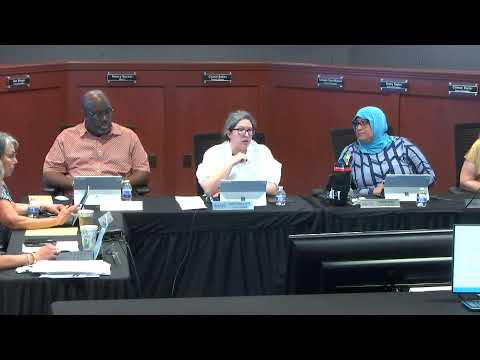
King County Metro briefed Auburn officials on phase 3 of its Southlake Connections project on July 28, outlining how revised concepts respond to public feedback and where tradeoffs were required to remain cost‑neutral. Metro said the phase 3 network concentrates resources from peak‑only routes into all‑day, all‑week service, increases trips on key east‑west corridors and introduces MetroFlex pilot zones in Auburn. Metro staff said phase 3 was developed after phase 2 engagement that included rider outreach, multilingual alerts on routes 181 and 165, transit‑center tabling, and partnerships with community‑based organizations. The agency said “overall support for the network was relatively high” and proposed keeping or increasing frequency on routes that showed strong ridership in the survey. Nicole Lakeria, project manager for Southlake Connections, told the council the phase 3 network would use resources from suspended peak‑only routes to expand frequent service on two East‑West connections (the 164 and 181). She said the plan would deliver “47% more trips on weekdays, 61% more trips on Saturdays, and twice as many trips on Sundays compared to service on the ground today.” Key Auburn changes Metro emphasized: the 164 would get 15‑minute daytime service and 15‑minute service on weekends; the 181 would maintain 30‑minute weekend service but extend span to start at 6 a.m. on Saturday and Sunday; and two MetroFlex pilot zones would serve South Auburn and West Hill, shifting Saturday hours into additional weekday span (from 12 to 14 weekday hours) to make the pilot more usable for commutes. Metro also said tradeoffs were necessary under a cost‑neutral approach. The agency proposed removing several peak‑only routes, including Route 162, and using those resources for all‑day improvements; it noted preservation of a peak Seattle connection was not feasible within the present budget. Metro urged council members to help publicize two upcoming virtual information sessions and to encourage ridership pilots in Auburn. Council members praised Metro’s engagement and asked about MetroFlex evaluation, which staff said will run for two years of funded service with annual monitoring and a formal evaluation after that period. Specific ridership counts for Auburn routes were not available in the meeting; Metro staff said they would follow up with numerical ridership data for routes serving Auburn. No council decisions were taken; Metro closed the presentation inviting additional community feedback before the August close of phase 3 engagement and transmitting a final plan to the King County Council in 2026 for consideration of implementation in fall 2026.