Get Full Government Meeting Transcripts, Videos, & Alerts Forever!
Get email alerts on the Commission Conduct Standards topic
No spam. Unsubscribe anytime.
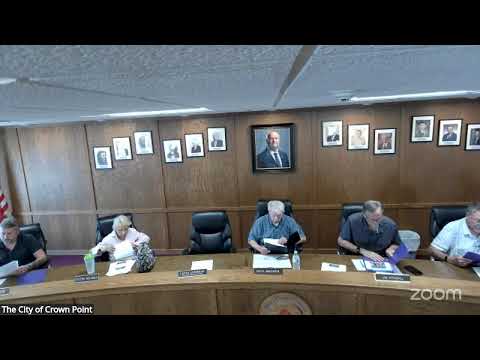
Crown Point commissioners review conduct guidance, Robert’s Rules refresher and preservation standards
Summary
Commission member Blake reviewed a nine-point conduct checklist, a Robert’s Rules refresher and the Secretary of the Interior standards, urging members to document decisions, avoid ex parte communications and prepare COA packets to keep hearings defensible.
At a meeting of the Crown Point Historic Preservation Commission, commission member Blake presented a package of conduct guidance, a Robert’s Rules of Order refresher and a reminder to use the Secretary of the Interior Standards in Certificate of Appropriateness (COA) decisions. Blake said the materials are intended as a refresher and recommended commissioners review them between meetings and vote on adoption at the next meeting.
The guidance — described by Blake as “9 nuggets” — covers punctuality, preparedness, limiting discussion to facts relevant to the decision, avoiding design-by-committee, disclosing conflicts of interest and avoiding ex parte communications with applicants. Blake also urged commissioners to use the National Alliance of Preservation Commissions website (napcommissions.org) as a resource and to cite the Secretary of the Interior Standards when making decisions to create a “defensible” administrative record. “Be a Zen master,” Blake said, summarizing the expected conduct.
Blake recommended that commissioners visit properties when practical, but not discuss pending applications with owners outside of public meetings. He said documentation from applicants is important, using windows as an example: when a homeowner proposes new windows, staff and commissioners should see evidence that existing windows are “curated beyond repair” before approving replacements. He also advised using internal storm windows and repair when feasible as a less-destructive, lower-cost option than wholesale replacement.
Blake used a recent Parisi signage item as an example of what can go wrong when an item “morphs” beyond the original COA. According to Blake, a motion to approve one element of the project led to discussion and informal approval of additional elements that were not on the original application; Blake said that created uncertainty and made it difficult to backtrack. “If they don’t have it on the original COA, you can chat about it, but you have to say, you need to come back next month with a new application,” Blake said.
On procedure, Blake encouraged commissioners to refresh their familiarity with Robert’s Rules to avoid confusion over amendments and motions and suggested staff post the materials to the commission’s landing page so members and applicants can consult them. Josh, planning staff, agreed to check that the guidelines and links are on the commission’s web page.
Discussion (not formal action) at the meeting included whether to place the conduct packet on a future agenda for formal adoption and how to document decisions by citing specific Secretary of the Interior Standards numbers in staff reports. No formal adoption vote occurred at this meeting; Blake said he would recommend bringing the packet back for a vote at the next meeting.
The commission’s guidance package and the Secretary of the Interior Standards will be available to applicants and reviewers as part of the COA process, Blake said, and staff will pursue posting resources online to reduce misunderstandings at hearings and strengthen the administrative record.