
Lansing council approves Riverbend Heights RHID over resident objections
Get AI-powered insights, summaries, and transcripts
Subscribe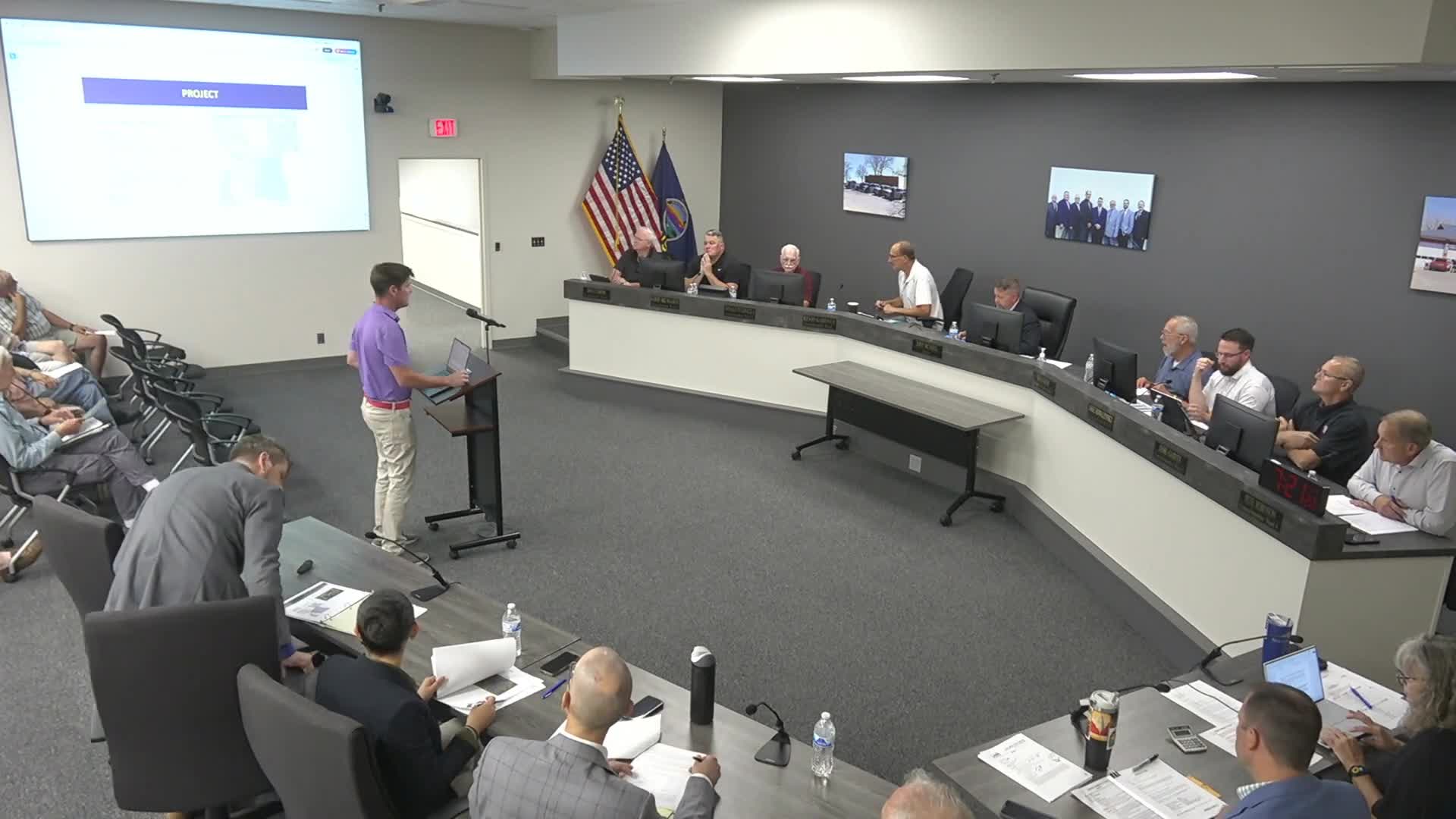
Summary
The Lansing City Council approved Ordinance No. 11-34 on a 5–3 vote to establish the Riverbend Heights Reinvestment Housing Incentive District, clearing the way for developer Ad Astra to seek reimbursement of infrastructure costs from future property tax growth within a roughly 146‑acre subdivision planned for about 406 single‑family lots.
The Lansing City Council approved Ordinance No. 11-34 on a 5–3 vote to establish the Riverbend Heights Reinvestment Housing Incentive District and adopt the development plan for a proposed subdivision of roughly 146 acres anticipated to produce about 406 single-family lots. The RHID authorizes tax-increment reimbursements to the developer, Ad Astra Development, for infrastructure the developer will build and initially finance.
The developer, Chris Colson of Ad Astra Development, told the council the company will front all infrastructure costs and be reimbursed from new property tax growth inside the district. Under the development agreement described to the council, 80% of the increment would be captured for reimbursement for the first 15 years; beginning in year 16 the capture steps down in five-percentage-point increments through year 20 until the developer’s capture is 55%. Reimbursements are limited to a per-finished-lot cap of no more than $52,500 and a total hard cap of $21,892,000, the developer told the council. Colson said construction would begin in late 2026, with the first homes occupied in 2027 and lot delivery of about 50–60 lots per year, with full buildout projected around 2033.
Residents who spoke at the public hearing raised objections focused on school-finance impacts, neighborhood compatibility, traffic and the RHID’s private-public split of returns. April Cromer, a resident on 130th Street, said the RHID would not meet the school district’s funding needs and called the proposal a private benefit using public dollars. John Redden and other residents questioned the fairness of reimbursements that go to the lot developer while homebuilders would perform most construction. Paul Cromer and others noted differences between earlier and later feasibility-study estimates for total project value and the developer’s reimbursement share.
Supporters described RHID as a limited, time-bound tool to spur construction in communities with stalled housing markets. Harlan Russell, speaking as a longtime county taxpayer and volunteer with local development organizations, said the RHID shifts infrastructure risk to the developer and, if projects fail, imposes no cost on city taxpayers. Developer counsel Joe Oakes and city staff also noted the school board retains a statutory veto over the RHID approval and that additional land-use approvals (annexation, platting, planning and zoning) remain separate processes if the council’s action proceeds.
During roll call on the ordinance vote, the council recorded the following: Mister Garvey — yes; Mister Robinson — yes; Mister Clemens — yes; Mister Brumgard — yes; Mister Studnica — no; Mister Gardner — yes; Mister Kirby — no; Mister Kovaleski — yes. The motion carried 5–3. Council minutes state “no binding action” was taken in a later executive session related to other matters.
The council action authorizes the RHID and the development plan; it does not itself approve subdivision plats, building permits or final zoning changes required before construction. Those regulatory steps, the council and staff repeatedly said, will come later and include separate reviews and approvals by planning staff and planning bodies. The school board has 30 days after council action to exercise its statutory veto rights, staff and several speakers reminded the council.
Residents and interested parties may expect subsequent public hearings on annexation, preliminary plat and zoning as Ad Astra advances the project; the developer and counsel said they would continue outreach to taxing jurisdictions and the community as permitting proceeds. The council meeting packet included the developer’s feasibility documents, a development agreement summary, the city staff report and resident correspondence submitted during the hearing.